What’s Your Voting Plan?

I’m sure you’ve seen this question recently, maybe many times recently, and I had been brushing it off. I vote. I was feeling all confident about knowing what I need to do, with my absentee ballot requested waaaay back in Summer. (Perhaps a little smug about my readiness to make sure my voice is heard?) And today I got a little reality check. I’m confident in my in-person voting, but there’s more to learn about absentee ballots….

Did you know postage due on your ballot might be greater than the value of one USPS forever stamp ? Due to size and weight, Cuyahoga County’s ballot may cost .65 and first class postage is .55. How do you know the cost for sure? You can stop in your local United States Post Office to get it weighed and postmarked, or call your county’s Board of Elections to confirm the cost. The Secretary of State’s site also includes information that you should not use a postage meter or online service to “affix postage” but can “use a postage label purchased at a USPS customer service window or vending machine” and “the date on the label is the postmark.” You should read the whole list for a better understanding, but key ideas have been highlighted in case someone is compelled to skim… (again, please read it all as it’s pretty short and very important!)

You can also drop your absentee ballot off at your local board of elections once early voting starts on Tuesday, October 6. (If you live in Cuyahoga County, October 6th is also the day when absentee ballots will be mailed out.)

If you’re a regular voter by mail and you have more tips for us newbies, please share your knowledge!

Alright so TL:DR: please be sure you’re prepared to vote on November 3, 2020!

– Stacey

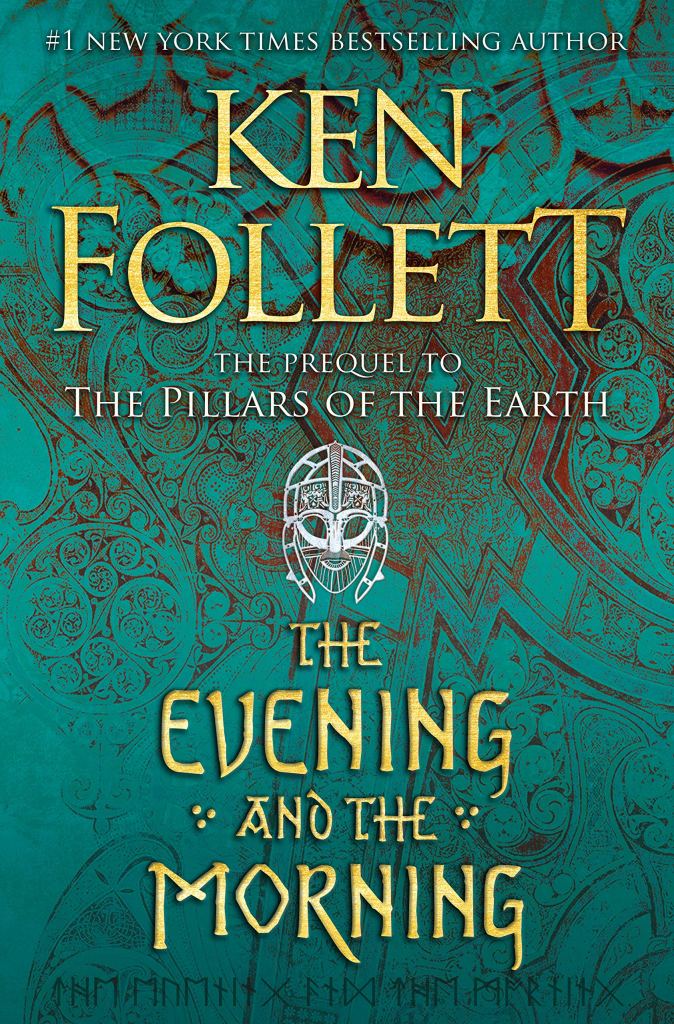
Readalikes for The Evening and the Morning by Ken Follett

The Evening and the Morning by Ken Follett catalog link

This week for the virtual book club, we’re looking at #1 New York Times bestseller The Evening and the Morning by Ken Follett. Fans of Follett’s mega-popular ‘Pillars of the Earth’ series know that it is a multigenerational saga of medieval England that chronicles the political, religious, and social upheaval of the Middle Ages. 

While you wait for your copy, we’ve selected a few series (and some standalone novels) that should scratch that ‘multigenerational family saga’ itch for you. These stories span the globe and take place from the time of the Vikings to the 20th century, so there’s something for everyone. 

Click any of the readalike book covers below to be taken to our catalog, where you can request a copy of the book with your library card number and PIN. We’ve also included links to our e-media services Overdrive and Hoopla where available. You can find The Evening and the Morning on Overdrive here

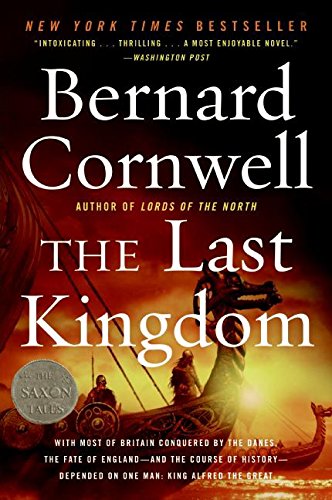
The Last Kingdom by Bernard Cornwell catalog link

The Last Kingdom by Bernard Cornwell – first book in the ‘Saxon stories’ series

Captured and raised by Danes in the ninth century, dispossessed nobleman Uhtred witnesses the unexpected defeat of his adoptive Viking clan by Alfred of Wessex and longs to recover his father’s land. 

The Last Kingdom Overdrive link

The Last Kingdom Hoopla link

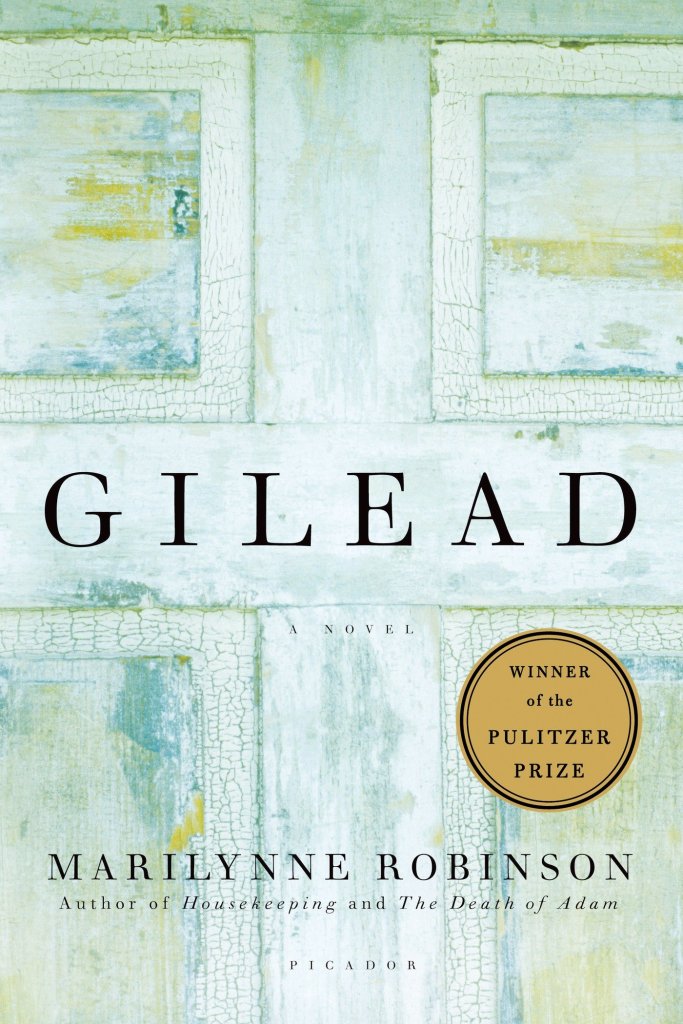
Gilead by Marilynne Robinson catalog link

Gilead by Marilynne Robinson – first novel in the Gilead series

As the Reverend John Ames approaches the hour of his own death, he writes a letter to his son chronicling three previous generations of his family, a story that stretches back to the Civil War and reveals uncomfortable family secrets. 

Gilead Overdrive link

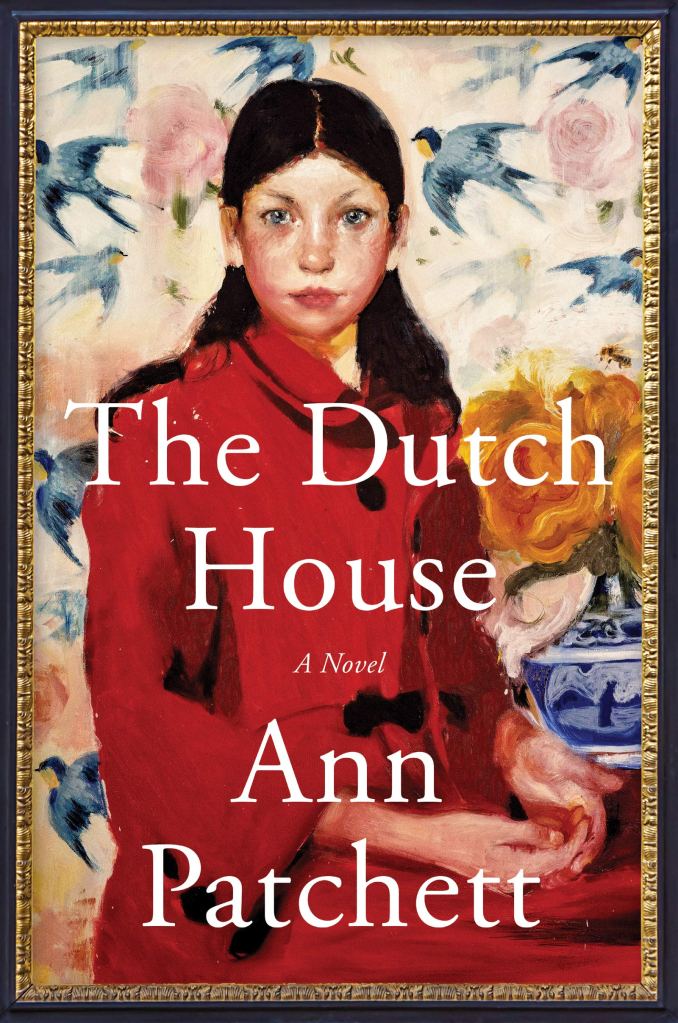
The Dutch House by Ann Patchett catalog link

The Dutch House by Ann Patchett 

Set over the course of five decades, The Dutch House is a dark fairy tale about two smart people who cannot overcome their past.

The Dutch House Overdrive link


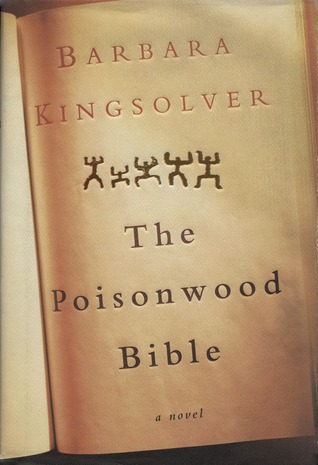
The Poisonwood Bible by Barbara Kingsolver catalog link

The Poisonwood Bible by Barbara Kingsolver 

The family of a fierce evangelical Baptist missionary–Nathan Price, his wife, and his four daughters–begins to unravel after they embark on a 1959 mission to the Belgian Congo, where they find their lives forever transformed over the course of three decades by the political and social upheaval of Africa. 

The Poisonwood Bible Overdrive link

The Poisonwood Bible Hoopla link

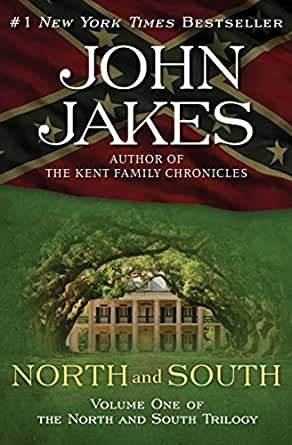
North and South by John Jakes catalog link

North and South by John Jakes – first novel in the North and South trilogy

Chronicles two great American dynasties over three generations. Though brought together in a friendship that neither jealousy nor violence could shatter, the Hazards and the Mains are torn apart by the storm of event that has divided the nation. 

North and South Overdrive link

North and South Hoopla link

All plot summaries from Novelist, except The Dutch House, which is from Goodreads. 

Join us next week for a slightly different, high-flying installment of the Virtual Book Club! 

5Days4Democracy: Wrap-Up

Why Democracy? –Citizenship– Protest–Advocacy– and Why Vote?

These are the topics we discussed this week, and what an incredible time to be talking about them! It’s no secret that the United States is living in tumultuous political times, full of discord, strong opinions, and heartfelt concern for how to protect our democracy and the principles on which our nation was founded.

I think many of us who were born and raised in the U.S. take democracy for granted. We can’t imagine any other way and believe that of course, we should have a say in the laws that govern and define us! As difficult as these political times have been, one good thing that has come from it is more and more people taking an interest in “politics” and the people we are electing to represent us. For years, much of the population has been complacent about voting, about government policies- believing “neither party is any good”, “no matter what I do, politicians are crooks.”

But difficult and volatile political times have caused many people to rise to the challenge of living in a democratic community. Feeling the risk to “life as we know it” has caused us to realize that important issues such as healthcare, welfare, social security, homelessness, poverty are not political issues- they are human issues that affect us all. Political awareness, activism, and plans to vote are on the rise among young people. According to a Tufts CIRCLE (Center for Information & Research on Civil Learning and Engagement) survey,

“Young people see 2020 as a time to exercise their potential power. Overall, 83% of those surveyed believe young people have the power to change the country, 60% say they feel they are part of a movement that will vote to express its views, and 79% of young people say the COVID-19 pandemic has helped them realize that politics impact their everyday lives.”

Tufts University Tisch College · CIRCLE
Source: CIRCLE/Tisch College 2020 Pre-Election Youth Poll “New Poll: Young People Energized for Unprecedented 2020 Election”, June 30, 2020.

I believe one good thing happening this election year is that everyone, young and old, are beginning to believe it’s never too late to advocate for what you believe in, to truly work towards the good of all people–for these are the things that make a great nation and a great democracy. Thank you to the City Club of Cleveland for giving us a chance to celebrate 5Days4Democracy.

November 3, 2020

5Days4Democracy: Why Vote?

In preparation for this blog posting I ran across the following and am including a sampling of opinions.

100 Influential Women on Why They’re Voting in the 2020 Election

 https://www.marieclaire.com/politics/a33264457/women-voting-2020 election/ 

 Stacey Abrams, 2018 Georgia gubernatorial candidate; Founder of Fair Fight Action

“I am voting because voting is power.” 

Madeline Albright, former U.S. Ambassador to the UN; former U.S. Secretary of State

“It is the privilege and responsibility of every U.S. citizen to vote this November.” 

Nikki Haley, Former U.S. Ambassador to the UN

“Voting allows us to make America more free, more just, and more equal for all.”

 Amy Klobuchar, U.S. Senator (D-MN); 2020 presidential candidate

 “Vote because it’s your right—and your responsibility.”

Condoleezza Rice, former U.S. National Security Advisor; former U.S. Secretary of State

“Voting is the most important way to make our voice heard in pushing for change toward a better America in which all can prosper.” 

Continuing my research, I found an excellent article available through the EBSCOhost database patrons have access to at the Rocky River Public Library’s website under “Research Resources”. In the article Shonda Rhimes interviews Michelle Obama about voting and its importance.

Rhimes, S. (2020). Why You Need to Vote. Harper’s Bazaar, 3684, 72.

“…At the end of the day, someone is going to be making the decisions about how much money your schools get and how tax money is distributed. Voting gives you a say in those matters. It can also be your way of saying that you care about your community and the people in it, that you are going to keep showing up and making your voice heard, even when the candidates don’t set your heart on fire. Because if you wait for that to happen, you might be waiting a long time. And meanwhile, the world moves on without you. But when we all vote, in all elections, we get the kind of responsive leadership that speaks for our families and our communities…” 

Michelle Obama states that “when you don’t vote, you are giving away your power to someone else—someone who doesn’t see the world the same as you. You’re letting them make some really key decisions about the way you live.”

Check out the City Club Forum at https://www.cityclub.org/forums

Friday, October 02, 2020, 12:30 p.m. (Virtual Forum)

5Days4Democracy: Advocacy

Welcome to day 4 of City Club Cleveland’s 5 Days For Democracy! I hope you’ve been enjoying the great content shared and have hopefully learned something new along the way. Today, as we welcome October, we celebrate advocacy!

What is advocacy? Advocacy is most simply defined as any action that speaks in favor of, recommends, argues for a cause, supports or defends, or pleads on behalf of others. Read more about what advocacy means and the different types of advocacy (community advocacy vs. legal advocacy) in this article from the Philanthropy Journal. You may wonder- how is advocacy different from lobbying? Well, lobbying is a type of advocacy in which you advocate for a or against a specific legislation, but not all advocacy means lobbying!

What activities comprise advocacy work? There are *so many* ways that Americans of all ages can get involved in work to support their beliefs and views. Here are a few examples of advocacy work:

  • Organize: Organize a meeting or rally with others who share your views to mobilize for change! This could be coffee with your neighbors over Zoom, it doesn’t need to be a big meeting to make big change.
  • Educate Legislators: Provide information to legislators on issues you care about. Many non-profits help you to advocate by providing fact sheets or scripts to use when reaching out to legislators. Not sure who represents you? Find out using Ballotpedia.org here.
  • Research: We librarians know the importance of research! Find relevant resources that exhibit your story. Check out this list of institutes and think tanks put together by the Congressional Research Institute for Social Work and Policy. Find legislation that affects you and track it’s progress in Congress here at GovTrack.us .
  • Nonpartisan Voter Education: Inform your community on the issues you care about and how to vote for change! Nonpartisan groups like the League of Women Voters can help you to become an advocate and get involved.
  • Lobby: As a member of the general public, you can advocate for or against specific legislation through grassroots lobbying efforts! It is citizen participation in government and a great way to make your voice heard.

Feeling like you are already working hard as an advocate? The Ohio ACLU shared this list of useful tips on how to become a better advocate, including the importance of challenging our own biases when we look to become an advocate for others. The ACLU is another great resource for those looking to get involved, and you can check out the Ohio ACLU’s advocacy page here .

It might seem more challenging to be an advocate now amidst the pandemic, but according to the Institute for Free Speech, “Even when we’re stuck at home, the groups we join to support shared causes continue to give us a voice in Washington and our state capitals.” thanks in a large part to online advocacy! Use social media to organize virtual letter writing campaigns with friends or use Twitter to engage with public officials. You don’t need to leave your house to be an awesome advocate.

Image from the Institute for Free Speech.

5Days4Democracy: Protests

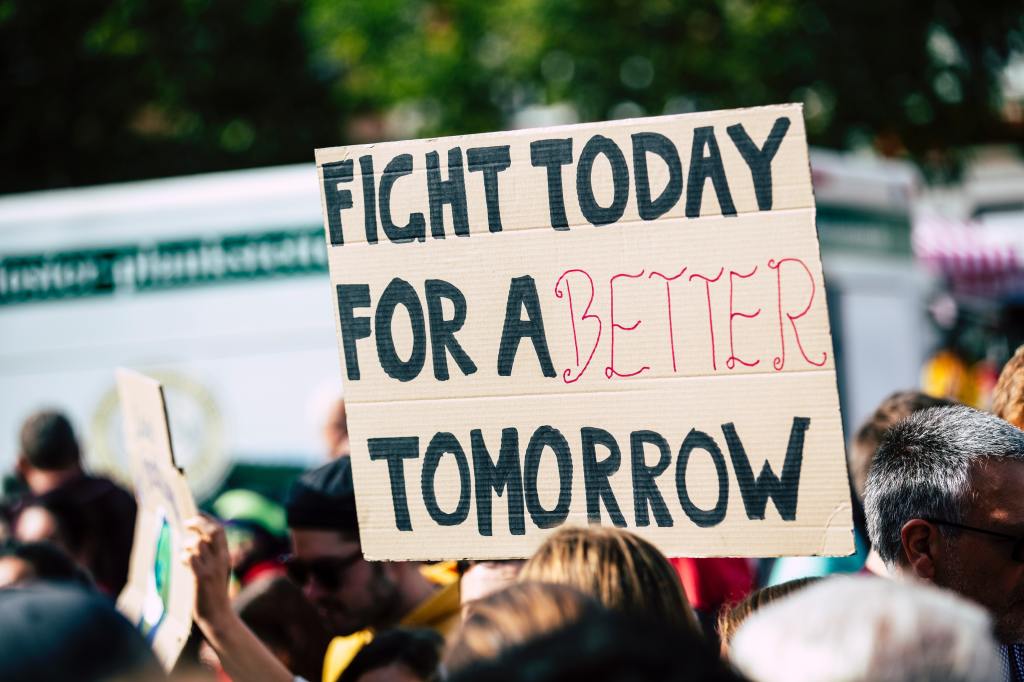
Protests are as American as apple pie. Since that December day in 1773 when colonists dumped 92,000 pounds of tea into Boston Harbor to protest the Tea Act of 1773, Americans have used protests to make their voices heard and to advocate for change.

Throughout our history peaceful protests, which are protected under the First Amendment of the Constitution, have resulted in significant changes to our laws, our culture, and even our Constitution. Here a few of our most well known protests:

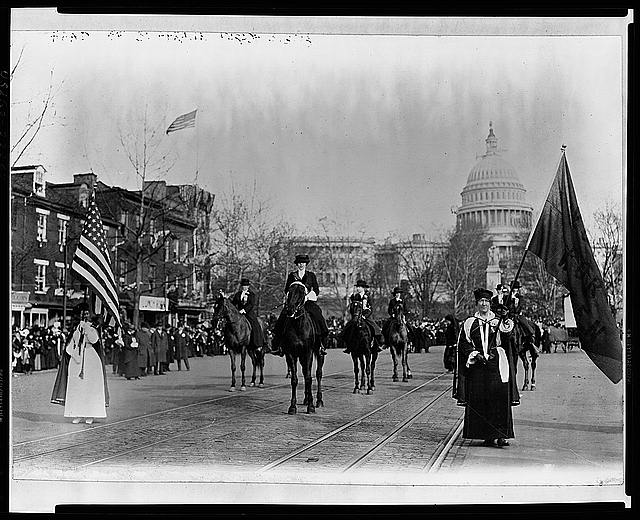
Women’s Suffrage Parade, March 13, 1913

This march, on the eve of President elect Woodrow Wilson’s inauguration, was the first of many large demonstration in favor of giving women the right to vote. It would take another seven years to get the 19th Amendment ratified, which finally gave women the vote, though in practice it was primarily white women who got to vote. It would take another twenty years for Asian-American immigrants to gain suffrage and 45 years for Black American and Native American voter rights to be guaranteed with the passage of the Voting Rights Act of 1965. While suffrage for all women is now part of the Constitution, women are still waiting for protections under the Equal Rights Amendment of 1923 to be ratified.

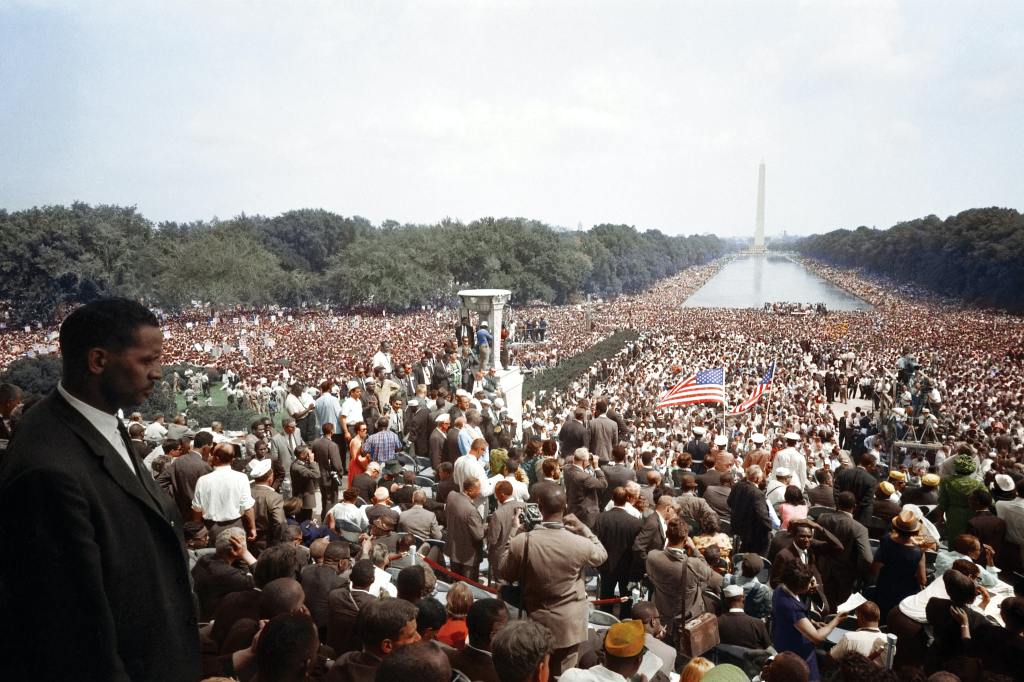
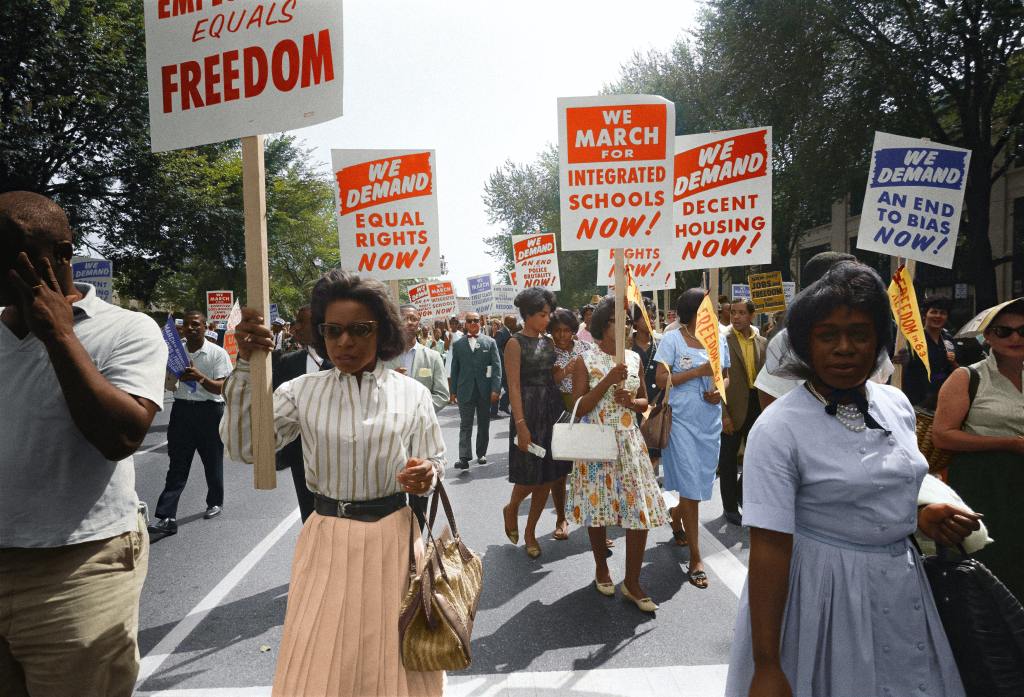
We are all familiar with Dr. Martin Luther King’s “I Have a Dream” speech, but did you know that idea for the famous march came from civil rights leader A. Philip Randolph in 1941? Randolph organized a march to protest FDR’s New Deal programs and the exclusion of Black people from post WWII jobs. The march never happened because Roosevelt issued an order to prohibit discrimination in hiring for government and defense jobs. In 1963 Randolph, backed by the NAACP and King, with the support of Southern Christian Leadership Conference joined forces for one large march for jobs and freedom. Their joined forces led to the enactment of the Civil Rights Act of 1964. Further protests let to the Voting Rights Act a year later in 1965.

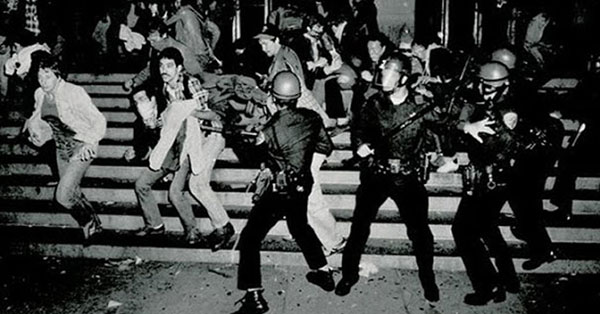
The Stonewall Riot, June 28, 1969

From 1952-1987 homosexuality was listed as a mental illness in the DSM. In the 50’s and 60’s it was not unusual for the police to raid gay bars and harass patrons. When police raided the Stonewall Inn on June 28, 1969, people had had enough and fought back. Protests lasted for six days and resulted in a more cohesive gay and lesbian community and lead to the development of new gay rights organizations. The one year anniversary was recognized with the first Pride parade. Since the 1990s the Supreme Court has ruled on a number of landmark cases that decriminalized homosexuality, legalizing gay marriage, and recently, making it illegal to fire an employee based on sexual orientation or gender identity.

Americans have taken to the streets to protest against wars, nuclear weapons, and tax policies. They have taken to the streets in solidarity. They have marched in favor of science and rights for marginalized communities. They have marched for women and the environment and gun control laws.

Today there are active protests occurring throughout the United States. Citizens have taken to the streets to protest police brutality against Black people. Americans are preparing rallies and marches against evictions and the inclusion of 1619 Project in school curriculums. Citizens are marching for Breonna Taylor, in remembrance of Ruth Bader Ginsburg, and in support of the police.

Democracy depends on the participation of citizens. Protests are just one means of participating and advocating for change.

New Books Tuesday @RRPL

In this week’s special picks there are new exciting romance, mystery, adventure, and many more genres for you to choose from! Enjoy!
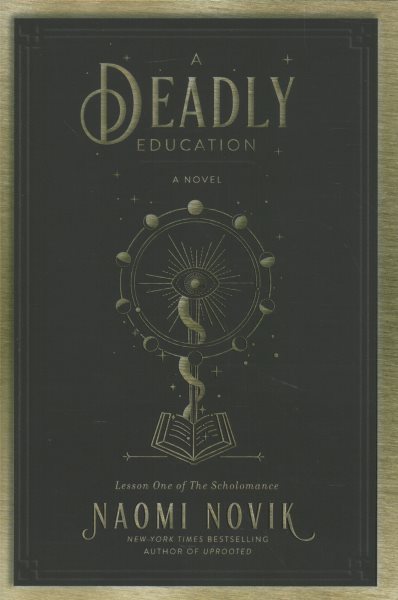
A Deadly Education by Naomi Novik – An unwilling dark sorceress destined to rewrite the rules of magic clashes with a popular combat sorcerer while resolving to spare the lives of innocents. By the award-winning author of the Temeraire series.

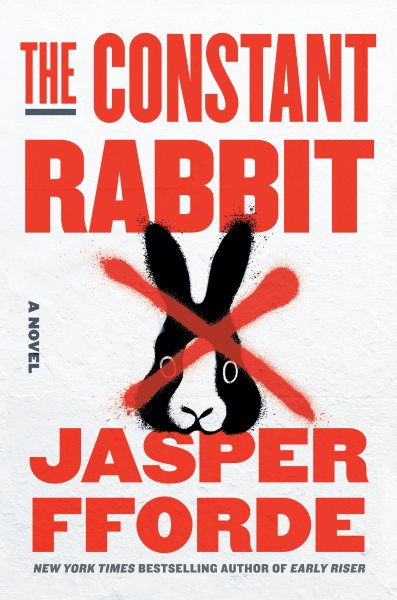
The Constant Rabbit by Jasper Fforde – In an England populated with anthropomorphic rabbits and humans, one hare family moves into a cozy little village that does not want them there and are defended by two human neighbors who take a stand against prejudice.
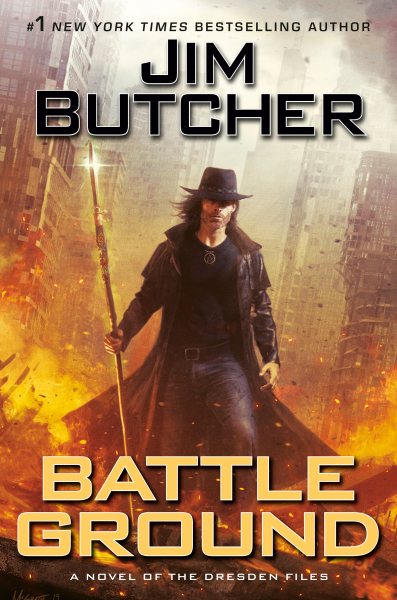
Battle Ground by Jim Butcher – When the Last Titan, a being more dangerous than anything humanity has faced in a millennium, declares war on the city of Chicago, professional wizard Harry Dresden embarks on a defense that permanently transforms the mortal world.

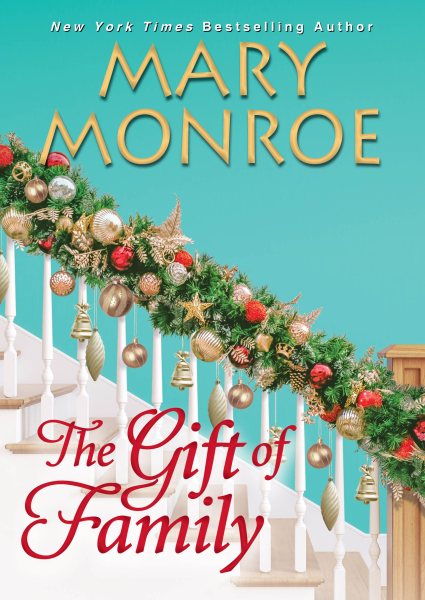
The Gift of Family by Mary Monroe – A middle-aged couple who has never been able to have children and an elderly widow who maintains a grueling schedule to support her grandkids come up with a solution to help both families during the holiday season, with unexpected results.
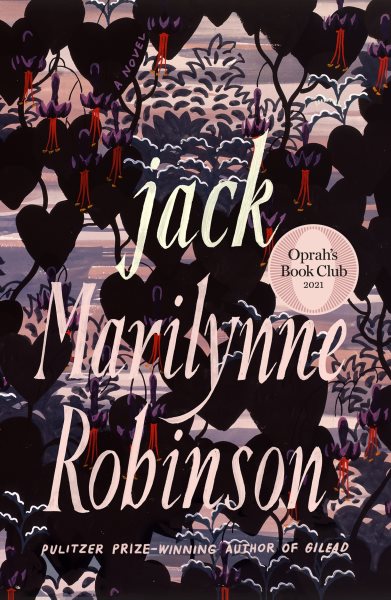
Jack by Marilynne Robinson – A conclusion to the story that began with the Pulitzer Prize-winning Gilead traces the story of prodigal son John Ames Boughton, who pursues a star-crossed, interracial romance with a high school teacher who is also the son of a preacher.

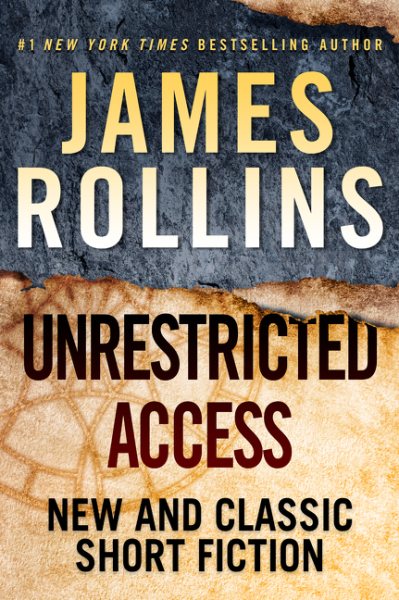
Unrestricted Access by James Rollins – A first anthology of short fiction by the best-selling author of the Sigma series includes 11 previously published stories as well as a new full-length novella featuring Captain Tucker Wayne and his military war dog, Kane.
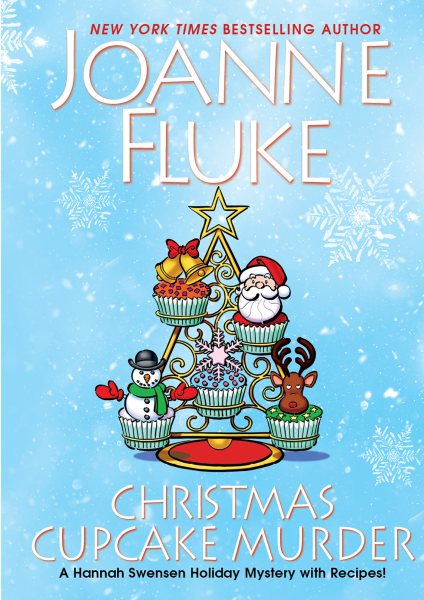
Christmas Cupcake Murder by Joanne Fluke – Firing up the Cookie Jar’s ovens to attend a lengthy holiday checklist, Hannah Swensen helps loved ones manage seasonal doldrums before she is challenged to identify a skilled antique restorer found near death outside her bakery.

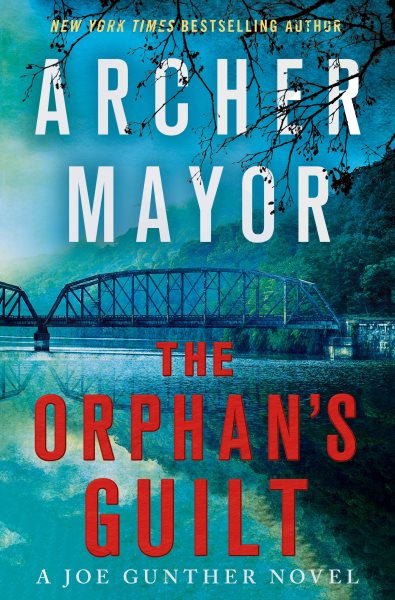
The Orphan’s Guilt by Archer Mayor – When a man’s routine DUI defense reveals evidence of a years-old shaken-baby murder case, Joe Gunther and his Vermont Bureau of Investigation team peel back layers of history to uncover links to other deaths.
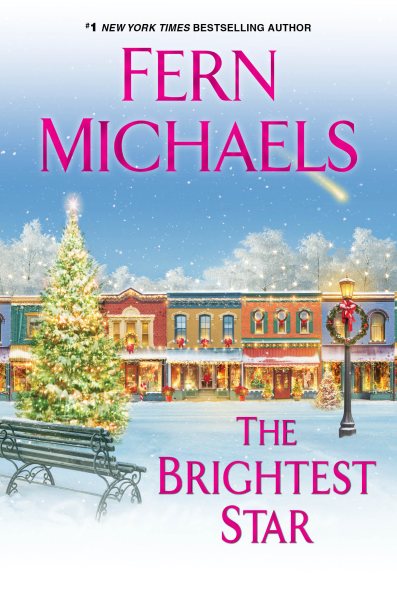
The Brightest Star by Fern Michaels – Writing biographies to support her family’s struggling Christmas shop, Lauren is assigned to pen the life story of a handsome and surprisingly intelligent online retailer mogul who has put hundreds of small companies out of business.

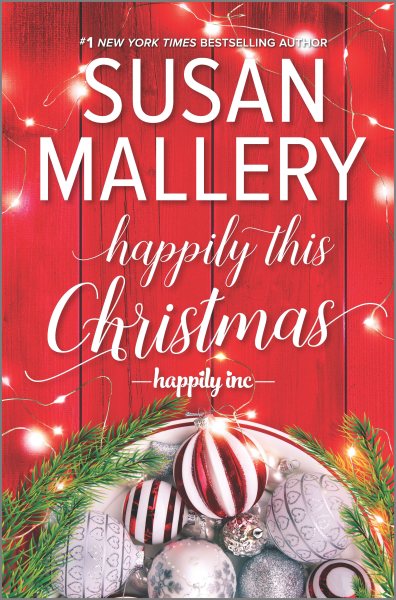
Happily This Christmas by Susan Mallery – An independent businesswoman and single mother offers support to her neighbor and secret crush during a holiday season shaped by a prickly daughter’s pregnancy, a painful secret, difficult past mistakes and an unexpected second chance at love.
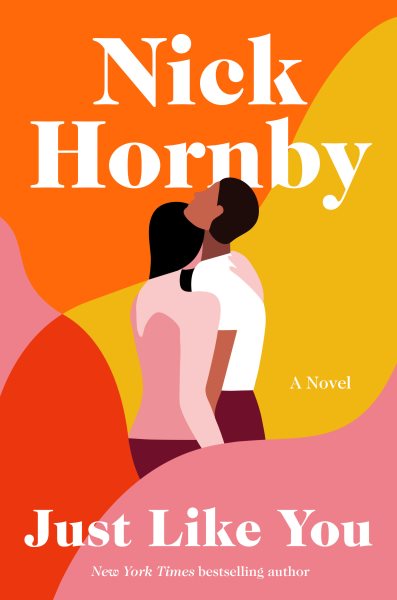
Just Like You by Nick Hornby – Miserably married to a man with whom she once shared everything in common, Lucy forges an unexpected bond with her 22-year-old babysitter, a man from an entirely different class, culture and generation. By the best-selling author of About a Boy.

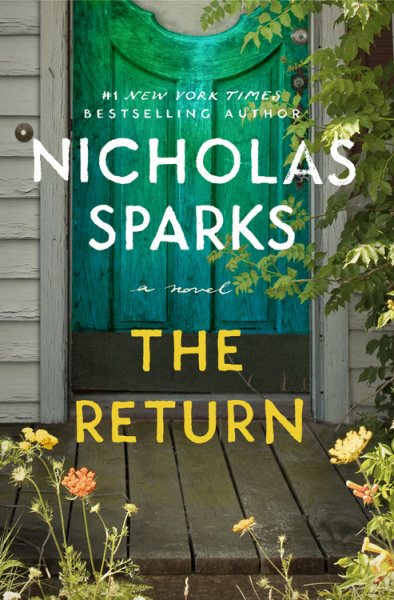
The Return by Nicholas Sparks – Moving into a family beekeeper cabin to recuperate from war injuries, an Afghanistan veteran falls in love with a guarded sheriff while working with a sullen local teen to investigate the mystery of a grandparent’s death. 1.5 million first printing.
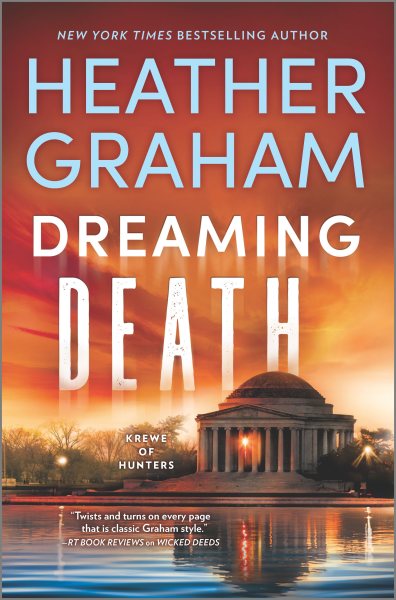
Dreaming Death by Heather Graham – Sparring with a new partner who considers her underqualified, a rookie Krewe of Hunters agent uses her supernatural prophetic dreams to outmaneuver a killer who has been targeting vulnerable young women in Washington, D.C.

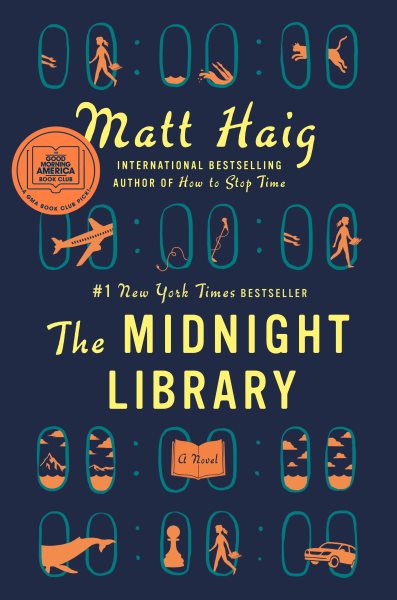
The Midnight Library by Matt Haig – A new novel about all the choices that go into a life well lived. By the internationally best-selling author of Reasons to Stay Alive and How To Stop Time.

~Semanur
5Days4Democracy: Citizenship

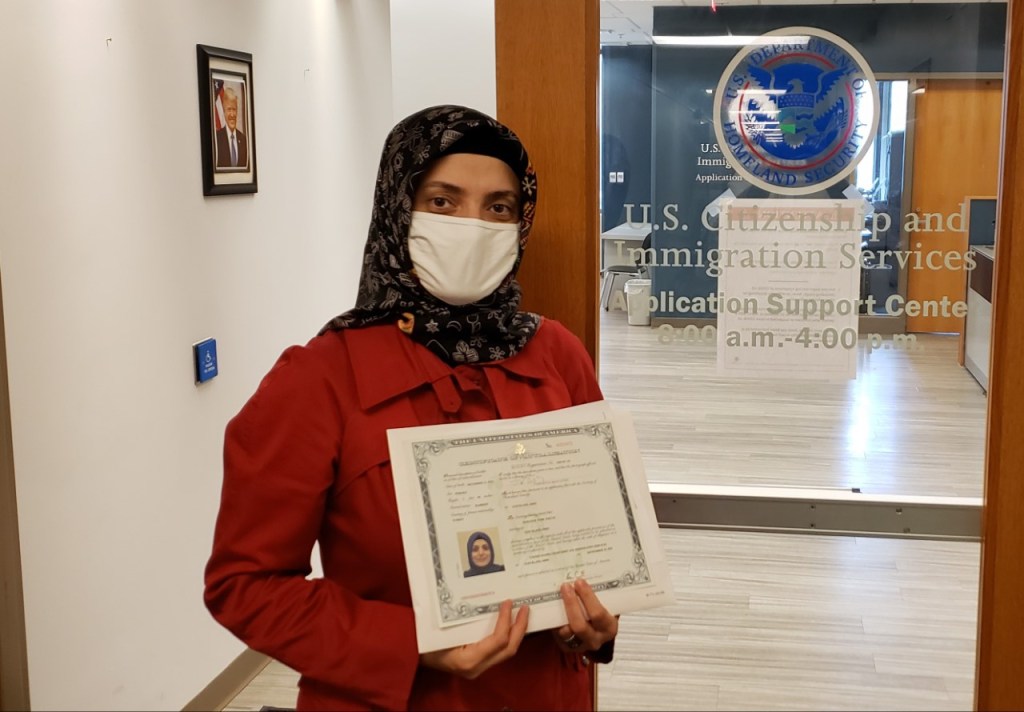
On September 18th, 2020, Semanur, Adult Reference Associate, shared exciting news with the Rocky River Public Library staff, “today I am a US citizen”. Semanur was immediately showered with congratulatory sentiments from the RRPL staff. We were all so very happy for her and her family.

I reached out to Semanur to see if she would like to share parts of her journey towards US citizenship. Below are a few questions I asked Semanur.

How does it feel to become a US citizen?

Semanur: I feel grounded and safe now that I am officially a citizen. I feel grateful that I am finally a part of this amazing community.

Can you share some of the requirements needed for citizenship?

Semanur: My family and I needed to be actively living in United States with our permanent residency for about 5 years before we could apply for citizenship. There was loads of paperwork to be done. After confirmation, we waited for our interview date to pass our oral, written, and reading exams. After passing, we received the date for our oath ceremony and pledged our loyalty to the United States and obtained our naturalization certificate. 

What are some advantages for you in becoming a US citizen?

Semanur: We can vote, and we can apply for an American passport which is necessary for people who travel a lot. Another advantage is it helps with job applications because some jobs require citizenship.

Thank you, Semanur, for giving me a glimpse into your journey towards citizenship and for your perseverance in becoming a United States citizen.

I discovered this statement on the website for U.S. Citizenship and Immigration Services,

Citizenship is the common thread that connects all Americans. We are a nation bound not by race or religion, but by the shared values of freedom, liberty, and equality. 

Throughout our history, the United States has welcomed newcomers from all over the world. Immigrants have helped shape and define the country we know today. Their contributions help preserve our legacy as a land of freedom and opportunity. More than 200 years after our founding, naturalized citizens are still an important part of our democracy. By becoming a U.S. citizen, you too will have a voice in how our nation is governed.

Please consider participating in 5Days4Democracy by signing up here to receive Daily Challenges and learn how to strengthen your role in building our democracy!

Mary


5Days4Democracy – Why Democracy?

For me, the answer to “why democracy?” is an easy one. America’s democratic system of government grants me many freedoms that other countries’ citizens are not automatically given.

Two of my favorites are my freedom of speech and the right to vote for my choice in our elections. And while I admit that it’s hard for me sometimes when I see neighbors’ yard signs in support of a candidate running against the one I support, I’m sure glad I’m able to put up my own yard sign. When I feel myself getting aggravated by such a display, it’s important for me to take a step back and realize that this disagreement is actually our country’s Constitution at work. I take a deep breath and know that it’s not just okay that my neighbor might not agree with me, it is their right, too!

During these five days for democracy, think about how opposing yard signs make you feel. And then take your own deep breath and be grateful that you too live in a country where you can express such a thing.

So, help celebrate these 5 Days for Democracy and sign up here to receive emails this week that will help you better understand, celebrate and think of ways to improve what democracy does for you. Oh, and don’t even think about stealing any yard signs!

-Carol