Happy Birthday, Jennifer Egan!

Winner of a Pulitzer Prize for Fiction, National Book Critics Circle Award for fiction, and a recipient of the Guggenheim Fellowship, Jennifer Egan has certainly made a name for herself in the book world! 

Probably most known for her book A Visit from the Goon Squad, Egan doesn’t play by typical novel rules: she likes to incorporate all sorts of genres and storytelling tricks. From chapters set up as PowerPoints, chapters in tweets and texts, disjointed storylines, and multiple points of view, Egan uses it all to pull the reader in.  

To celebrate her birthday, check out a book! 
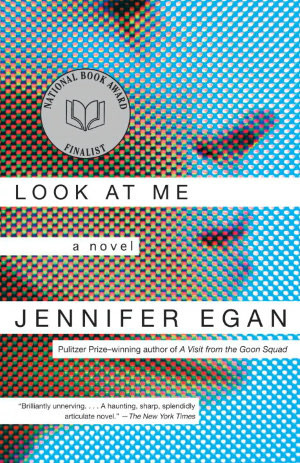
Look at Me (2001) 

“Model Charlotte Swenson returns to Manhattan after recovering from a devastating car accident in her Illinois hometown. She finds that she can’t restart her career and floats invisibly through the New York fashion world.” 
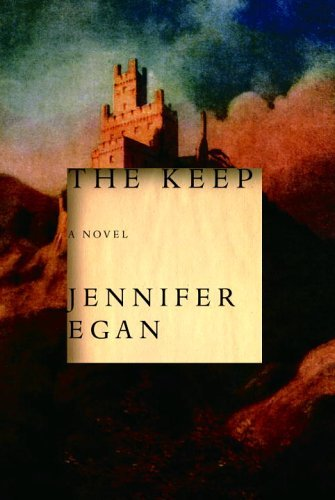
The Keep (2006) 

“Two decades after taking part in a childhood prank whose devastating repercussions changed their lives forever, two cousins are reunited to work on the renovation of a medieval castle in Eastern Europe, a remote, eerie site profoundly influenced by its bloody past, where the two are cut off from the outside world and doomed to reenact the horrific event from their past.” 
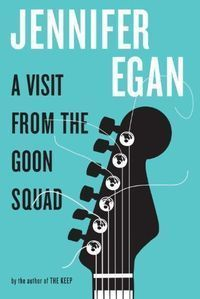
A Visit from the Goon Squad (2010) 

“Working side-by-side for a record label, former punk rocker Bennie Salazar and the passionate Sasha hide illicit secrets from one another while interacting with a motley assortment of equally troubled people from 1970s San Francisco to the post-war future.” 
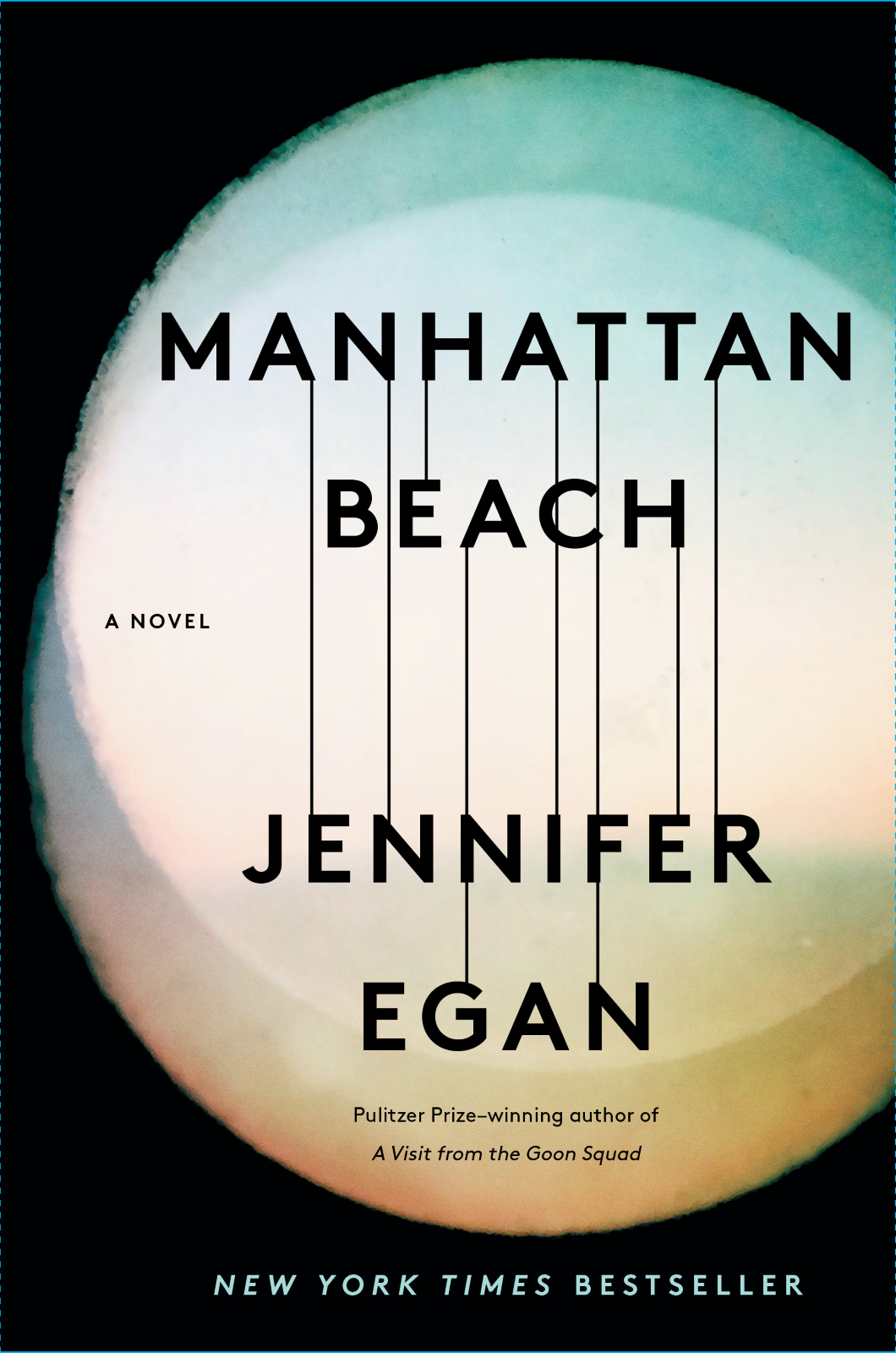
Manhattan Beach (2017) 

“Years after she is placed in the hands of a stranger vital to her family’s survival, Anna takes a job at the Brooklyn Naval Yard during the war while meeting with the man who helped them and learning important truths about her father’s disappearance.” 
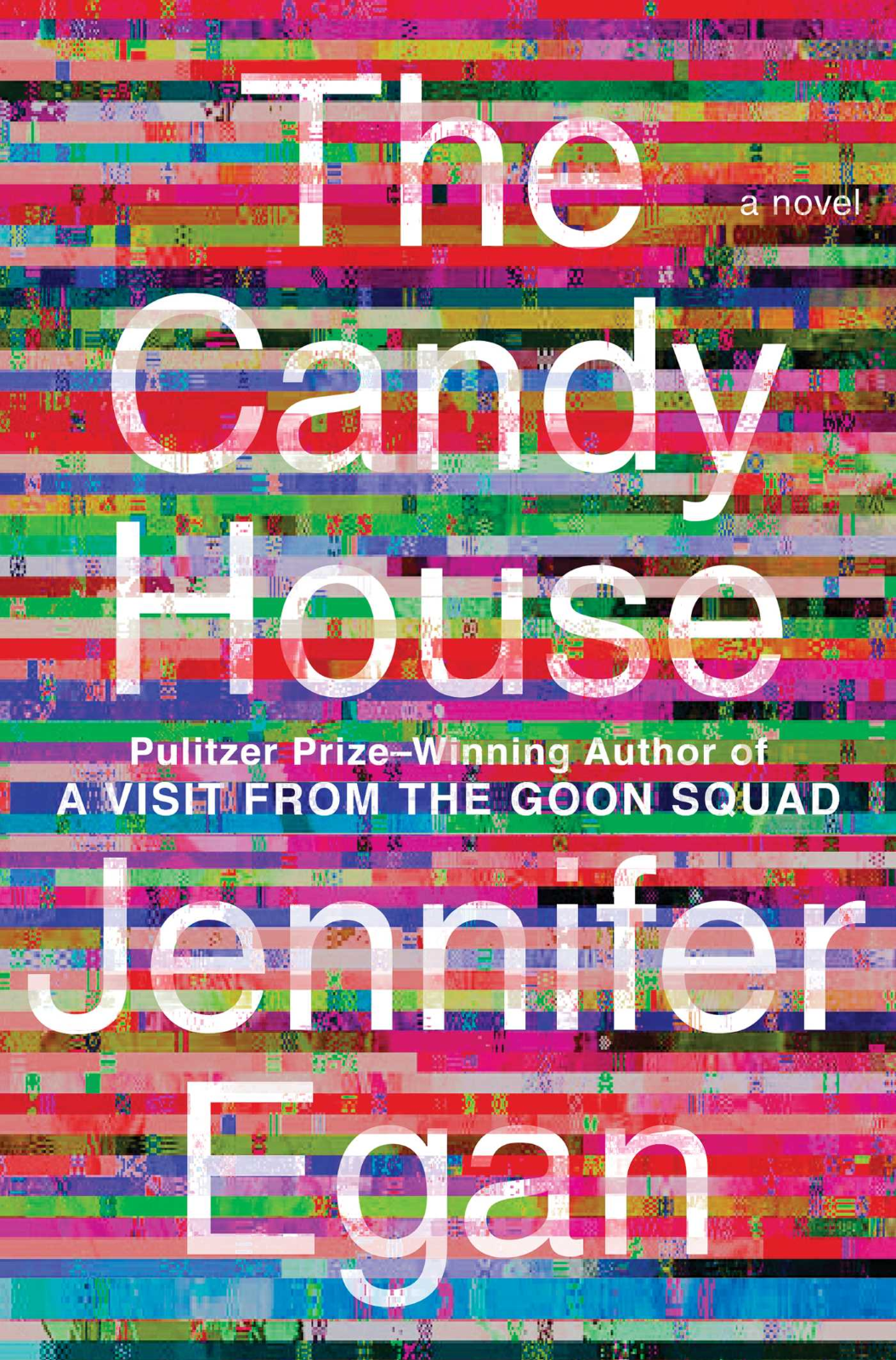
The Candy House (2022) 

“Told through lives of multiple characters, this electrifying, deeply moving novel, spanning 10 years, follows “Own Your Unconscious,” a new technology that allows access to every memory you’ve ever had, and to share every memory in exchange for access to the memories of others.” 

-Linnea 
Happy Birthday, Haruki Murakami!

Haruki Murakami turns 74 years old today! He is a prolific author, having written novels, short stories, nonfiction works, and essays that have consistently been published in The New Yorker. While Murakami remains mostly out of the public eye, the reader may get a general sense of who Murakami is when reading his books: a lover of jazz and music in general, a big baseball fan, a collector of random t-shirts, and a dedicated runner. His books incorporate magical realism, a unique brand of humor, and almost always a cat.  

If you’ve never read Murakami before, he has an extensive catalog to choose from! Whether you prefer nonfiction or short stories or hefty novels, he has something for everyone. (Of course, while he is a well-regarded author, his works might not appeal to all!) 

Short Story Collections 

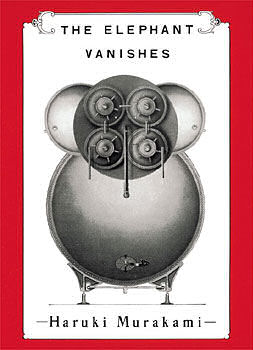
The Elephant Vanishes (1993) 

Containing stories such as “The Wind-up Bird and Tuesday’s Women,” “The Kangaroo Communiqué,” and “Lederhosen,” this is a great introduction to Murakami’s writing style. One of the short stories (“Barn Burning”) even became the basis for the 2018 South Korean psychological thriller Burning. 

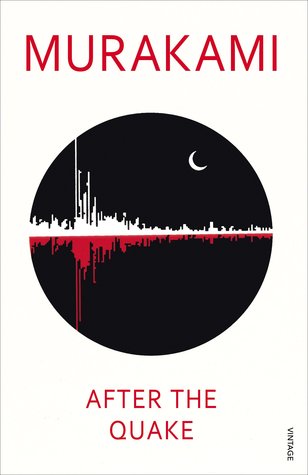
After the Quake (2002) 

This collection was written after the 1995 Kobe earthquake. While each short story is independent of one another, they are all connected by the earthquake and its aftermath. 

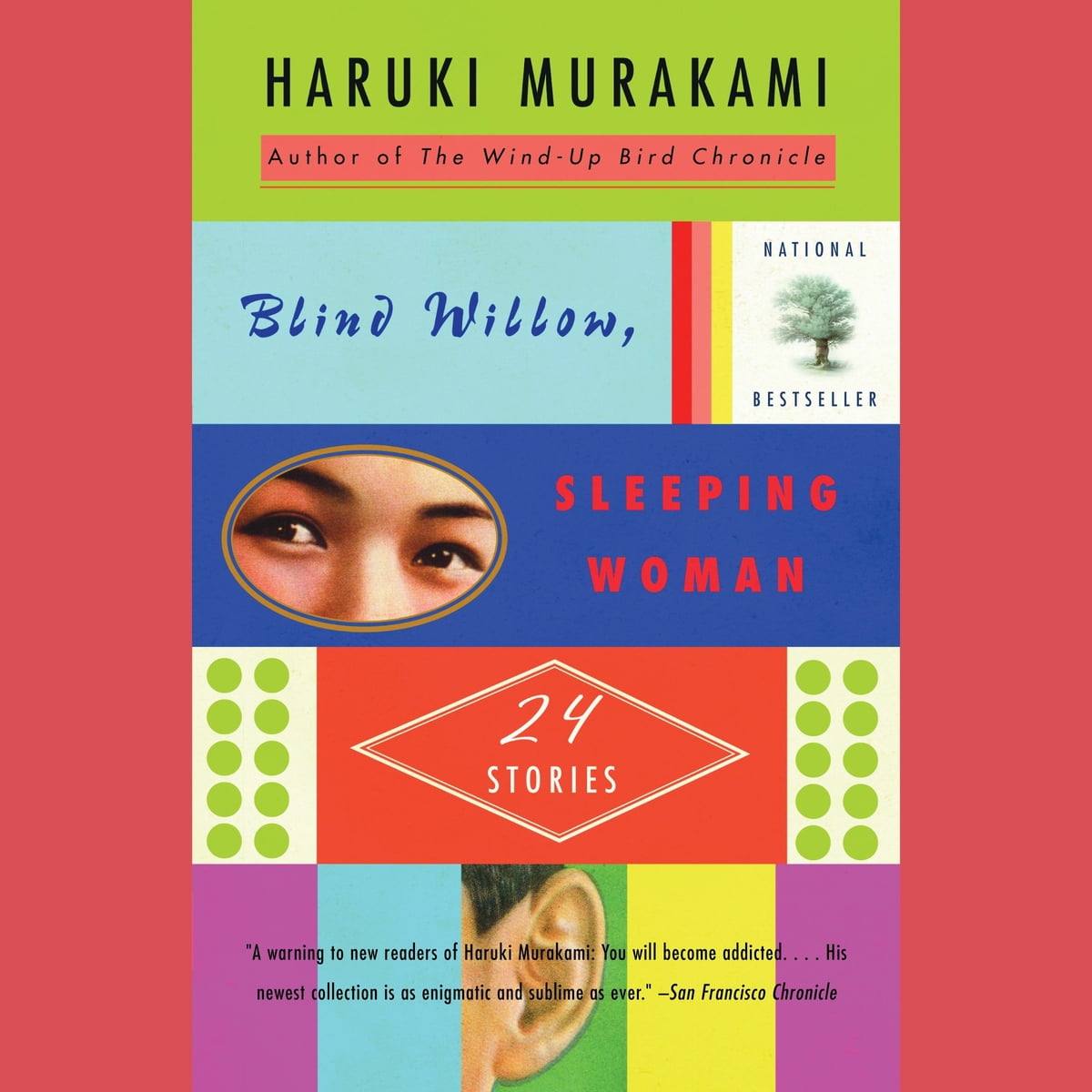
Blind Willow, Sleeping Woman (2006) 

Quite a few of the short stories in this collection were featured in various English publications before being compiled into one book. Several were in The New Yorker, a few in Harper’s, and one in McSweeney’s. One short story, “Firefly,” was reused in Murakami’s well-known novel Norwegian Wood. 

Nonfiction 

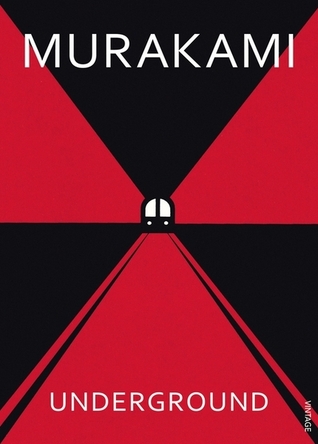
Underground: The Tokyo Gas Attack and the Japanese Psyche (2000) 

In 1995, a religious cult attacked Tokyo subway stations with the toxic liquid sarin, injuring over 5,000 people and killing 14. Murakami interviewed over 60 people: witnesses, survivors, family of the victims, and even members of the cult that committed the act, Aum Shinrikyo.

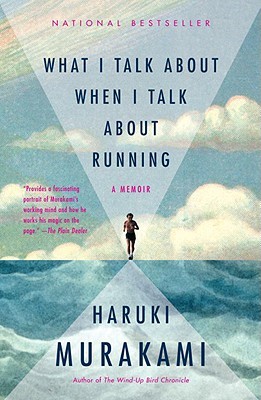
What I Talk About When I Talk About Running (2008) 

In this memoir, Murakami discusses his passion for running and how running goes hand in hand with writing. His discipline with the sport and examination of the relationship between running and writing are interesting to read about, even if you don’t run. Plus, reading about all the places he’s run marathons (Greece, Hawaii, Boston) is a treat. 

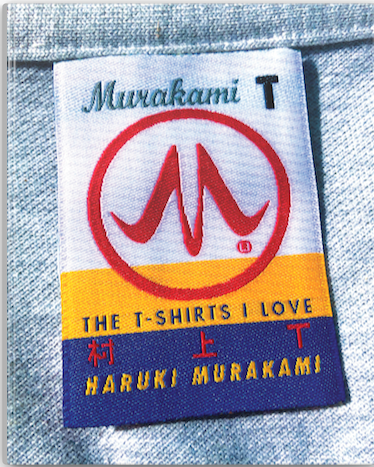
Murakami T: the T-Shirts I Love (2021) 

Pictures of t-shirts that Murakami has acquired over the years and their origin stories—what’s not to enjoy? 

Fiction 

Norwegian Wood (1989) 

Told from the perspective of Toru Watanabe, he is in his late 30s, reflecting on his days as a college student in 1960s Japan. A deeply emotional novel, the sense of nostalgia and longing are intimately felt throughout. This book helped catapult Murakami into more of a celebrity (to his dismay at the time). 

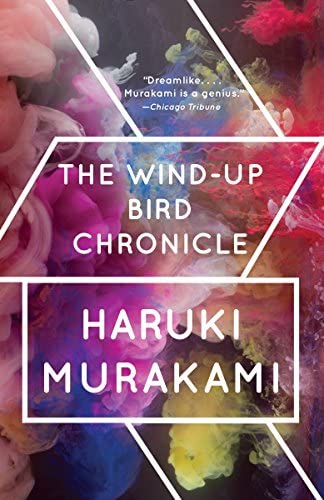
The Wind-Up Bird Chronicle (1997) 

If you read the short story “The Wind-up Bird and Tuesday’s Women,” then you’ve already tackled the first chapter of the much-longer novel. Full of signature Murakami traits like cats, wells, unexpected phone calls, and mysterious disappearances, this is a great introduction to Murakami’s brand of humor. But forewarning—it is over 600 pages! 

Kafka on the Shore (2005) 

Intertwining narratives make up this magical tale: a 15-year-old boy who runs away to escape a curse and an old man who can talk to cats. Metaphysics, music, suspense, humor, and the mundane make up this brilliantly woven story. 

-Linnea 

Nicole’s Top Ten of 2020

This year I stayed quite nicely tucked into my reading comfort blanket of weird, atmospheric, and dark reads for the most part. I read more than one collection of short stories, and one novella, which reflects my unpredictable ebb and flow of reading ambition the past ten months: some days I couldn’t focus on reading for more than fifteen minutes, while others days I was inspired to plant myself on the couch and read all weekend. Below you’ll find my ten favorite books I read this past year: including some supernatural thrillers, weird and beautiful science fiction, horror short stories, literary fiction, and more!

Tiny Nightmares: Very Short Stories of Horror Edited by Lincoln Michel and Nadxieli Nieto

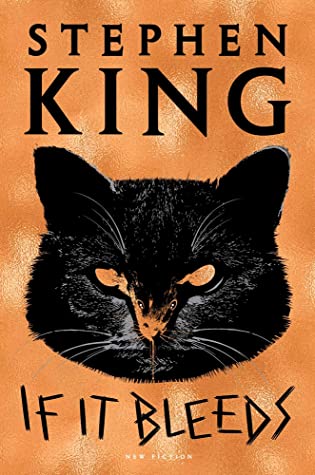
If It Bleeds by Stephen King

The Low, Low Woods by Carmen Maria Machado

The Only Good Indians by Stephen Graham Jones

The Glass Hotel by Emily St. John Mandel

In the House in the Dark of the Woods by Laird Hunt

The Strange Bird by Jeff Vandermeer

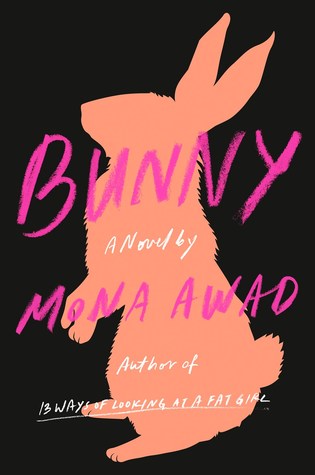
Bunny by Mona Awad

Circe by Madeline Miller

White Tears by Hari Kunzru

Why Short Stories Work for Me

Our schedules are demanding. Our obligations overwhelming. How can can we be expected to find any time to read? Especially when there are all those critically acclaimed Netflix series/Atwood Adaptations/Groundbreaking Cable shows demand to be watched.

I do love to read but sometimes it can be an uphill battle to sit down and get through a book. I feel worse when I begin a novel and loose interest a 100 pages in. So how can I actually get a chance to enjoy what I am reading, finish a story, and fit it into my schedule? For me the answer came in the form of short stories.

Short story collections solve many of the obstacles I had to sitting down and getting through a book. Don’t have a lot of time but want to to be able to get through an entire plot? No problem, the story is only 20 pages long. Want to a bit of variety and get to sample many different literary voices? Anthologies are the perfect solution. Have a favorite author but they haven’t released the next book in their big series? See if they have any short story collections or if they have edited and collected the works of other authors. Unable to get through the whole collection before you have to return the book? That’s fine, each story was a world in itself and you haven’t created any cliffhangers for yourself.

Short stories can keep up with your busy schedule while giving you a bonus sense of satisfaction when you get through the whole collection. 300 pages doesn’t seem as bad when it is broken up into 10 stories, each giving you a natural rest in between to recharge and carrier on.

-Greg
Here are a few of my favorite short story collections:

Cover image for

A Story for our Time: Short

I really love short stories. I like the way they move, their conciseness, their ability to tell me something I need to know in around 20 pages. When I want just a glimpse into someone’s day, I go to Carver. When I want a short story that reads like a novel, there’s none better than Alice Munroe. (How does she get all those people, events and histories into so few pages?) I like to read a whole collection by a single author. Or come upon a new author in an anthology or magazine—it’s like speed dating: Small investment of time may net lasting relationship.
It surprises me that today, when we want everything fast and now, more of us don’t read and appreciate short stories. Here are a few of the reasons why I do:
“A Clean, Well-Lighted Place” – Hemingway
“Dusk” – Salter
“All Shook Up” – Boyle
“A Day in the Country” – Chekov
“The Dead” – Joyce
“The Lovely Troubled Daughters of Our Old Crowd” – Updike
“The Year of Silence” – Brockmeier
“The Progress of Love” – Munroe
“Will You Please Be Quiet, Please?” – Carver
“A Lesson in Traveling Light” – Eisenburg
“The King of Sentences” – Lethem

What are your old and new favorites?

—Chris