Time is a funny thing. This year was a Leap Year and in a couple days, our clocks will spring forward, ushering us into Daylight Saving Time. Those sunny mornings we’ve had? Gone. Instead, we get evenings (hopefully) filled with sunshine and each day warmer than the last.
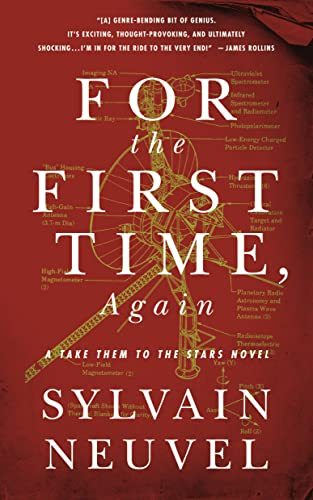
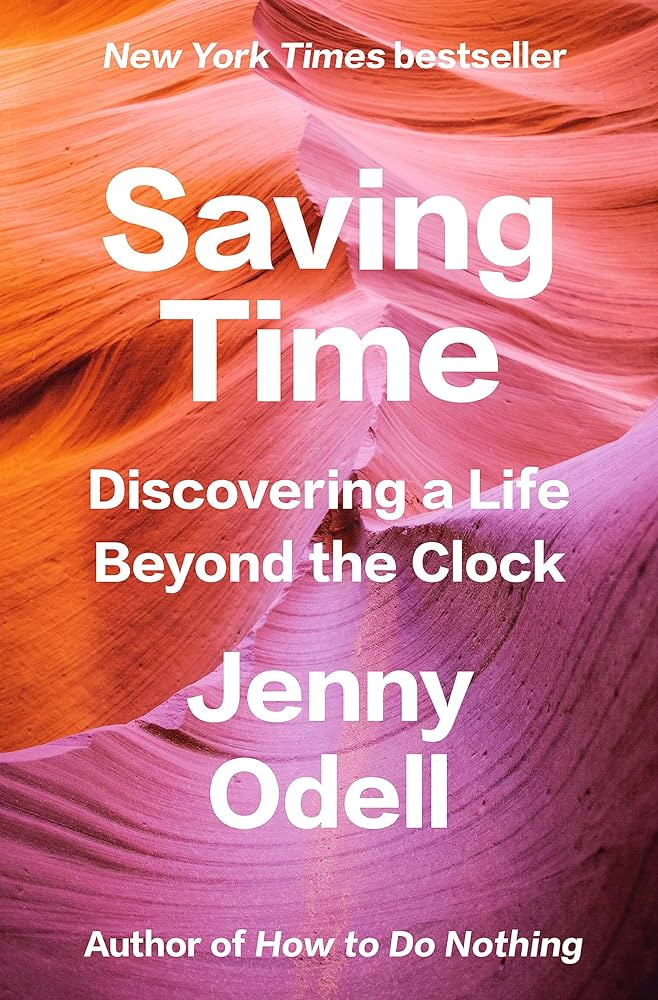
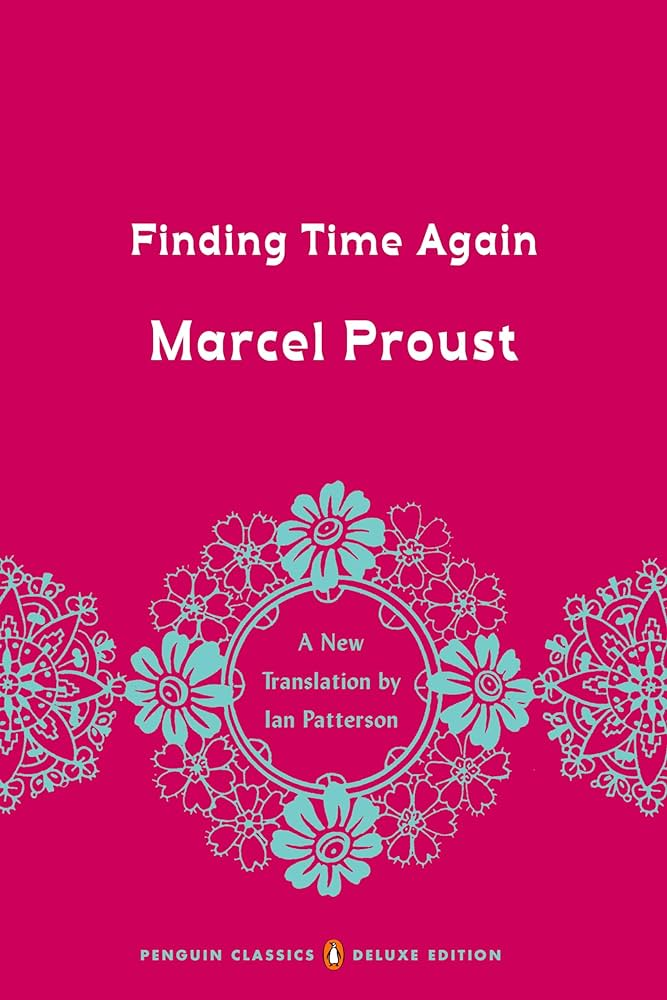
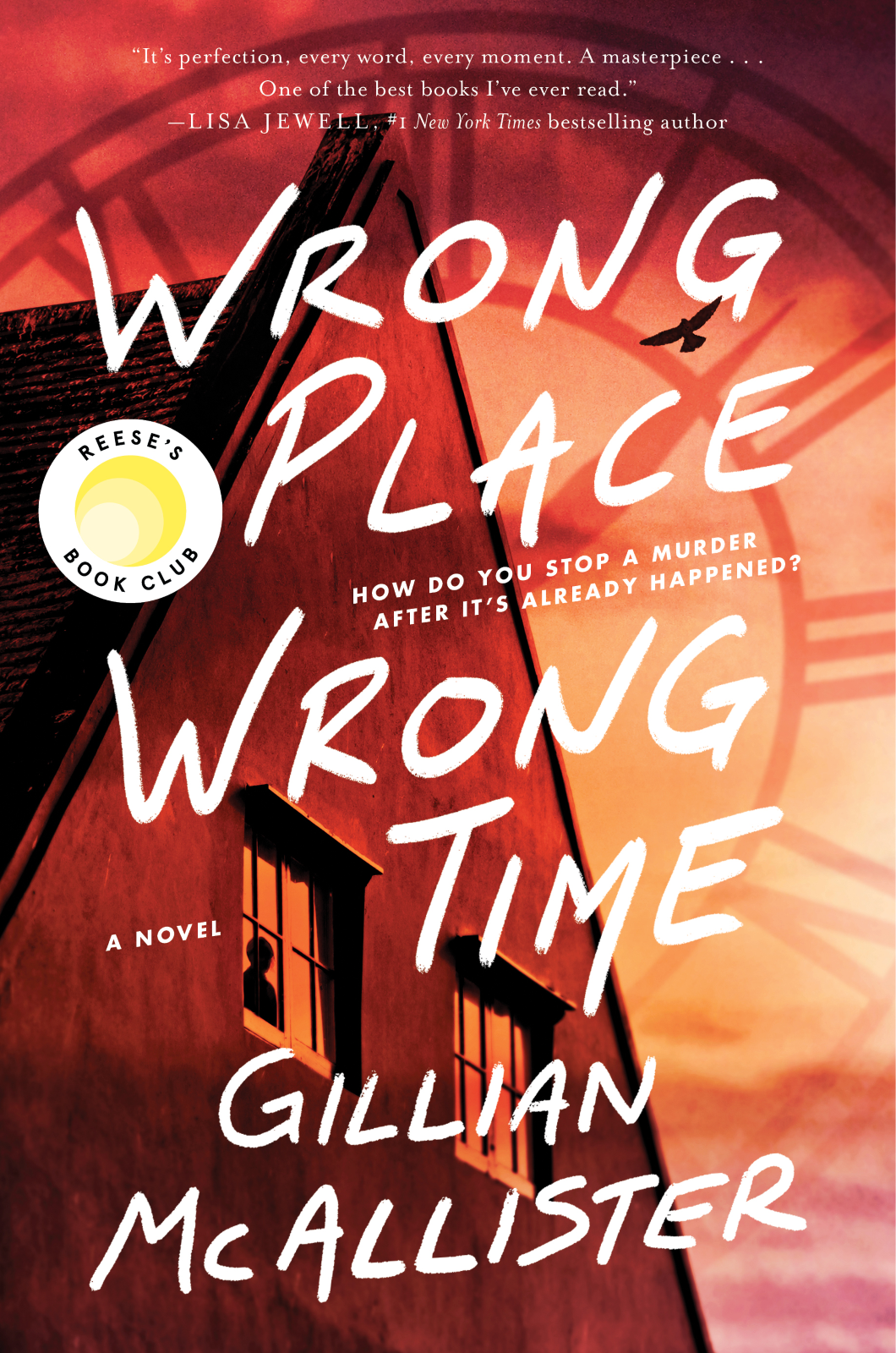
I love a good theme and this week here are a bunch of books on various topics, all with the word “time” in the title. Enjoy!
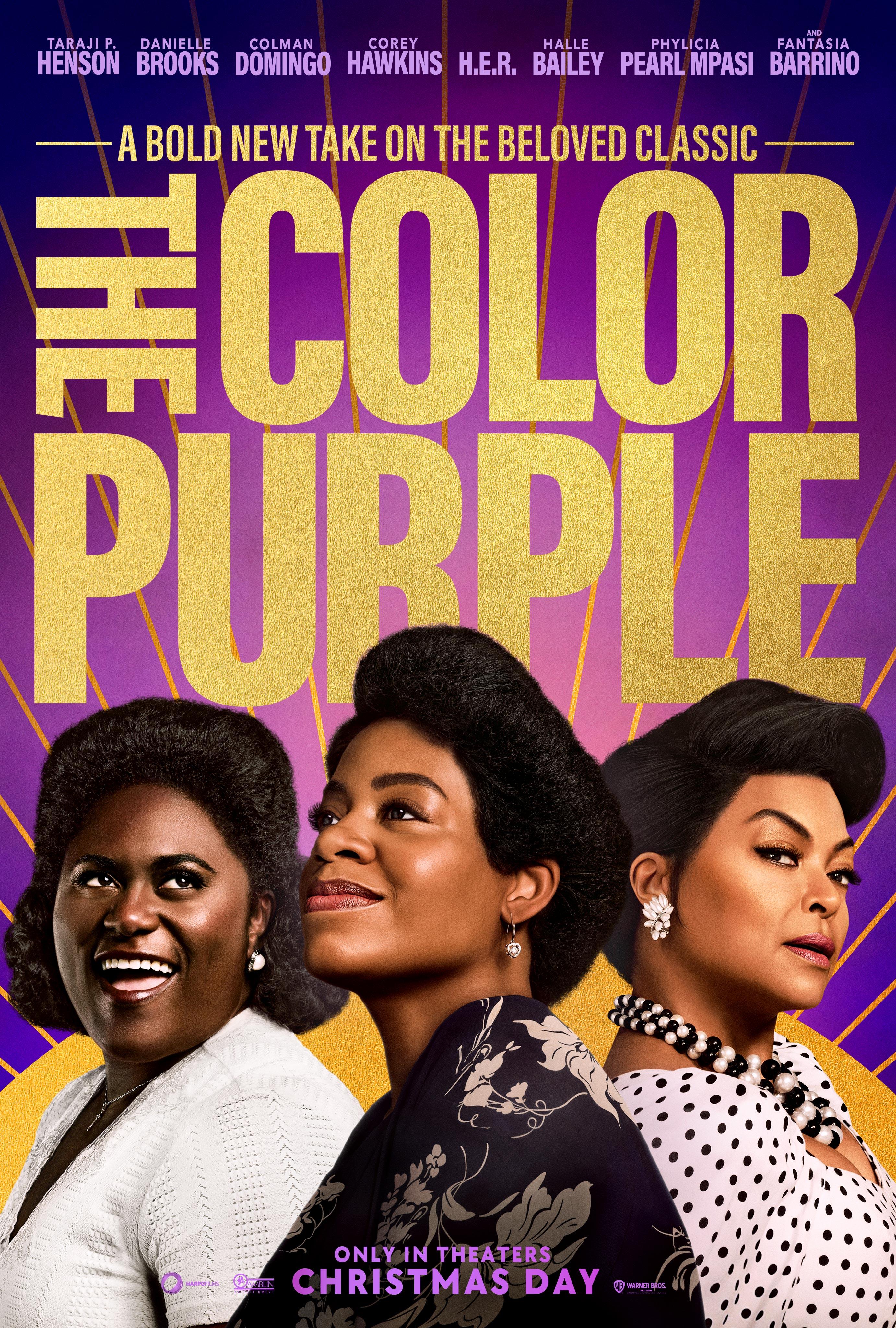
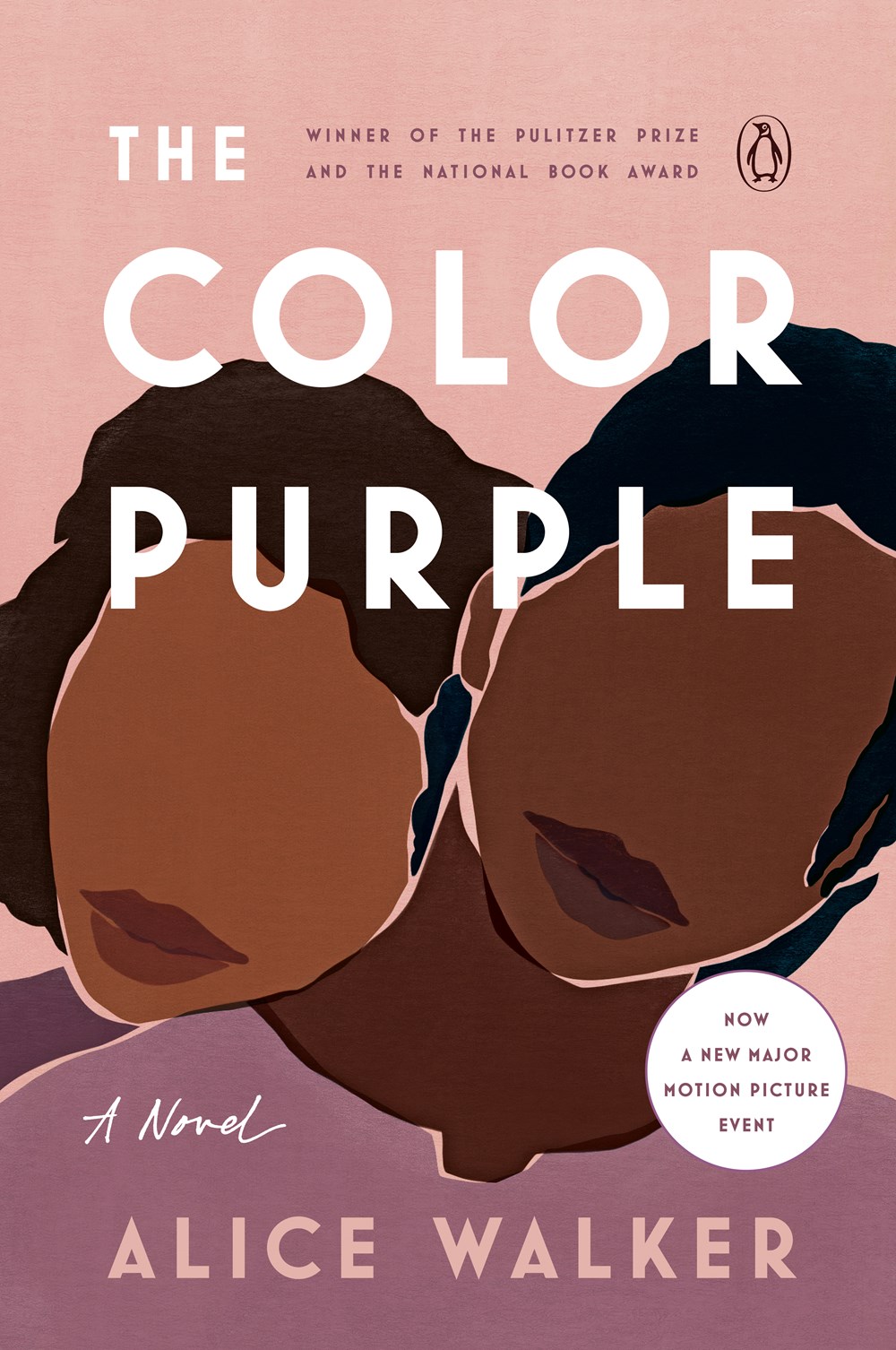
And the Oscar goes too…the books behind the movies. Award season kicked off with the Golden Globes on January 7, with book to film adaptations well represented among the nominees and winners! The Oscars take place on March 10, so there’s plenty of time to pick up a book before the awards ceremony. Here’s what books are buzzing this awards season.
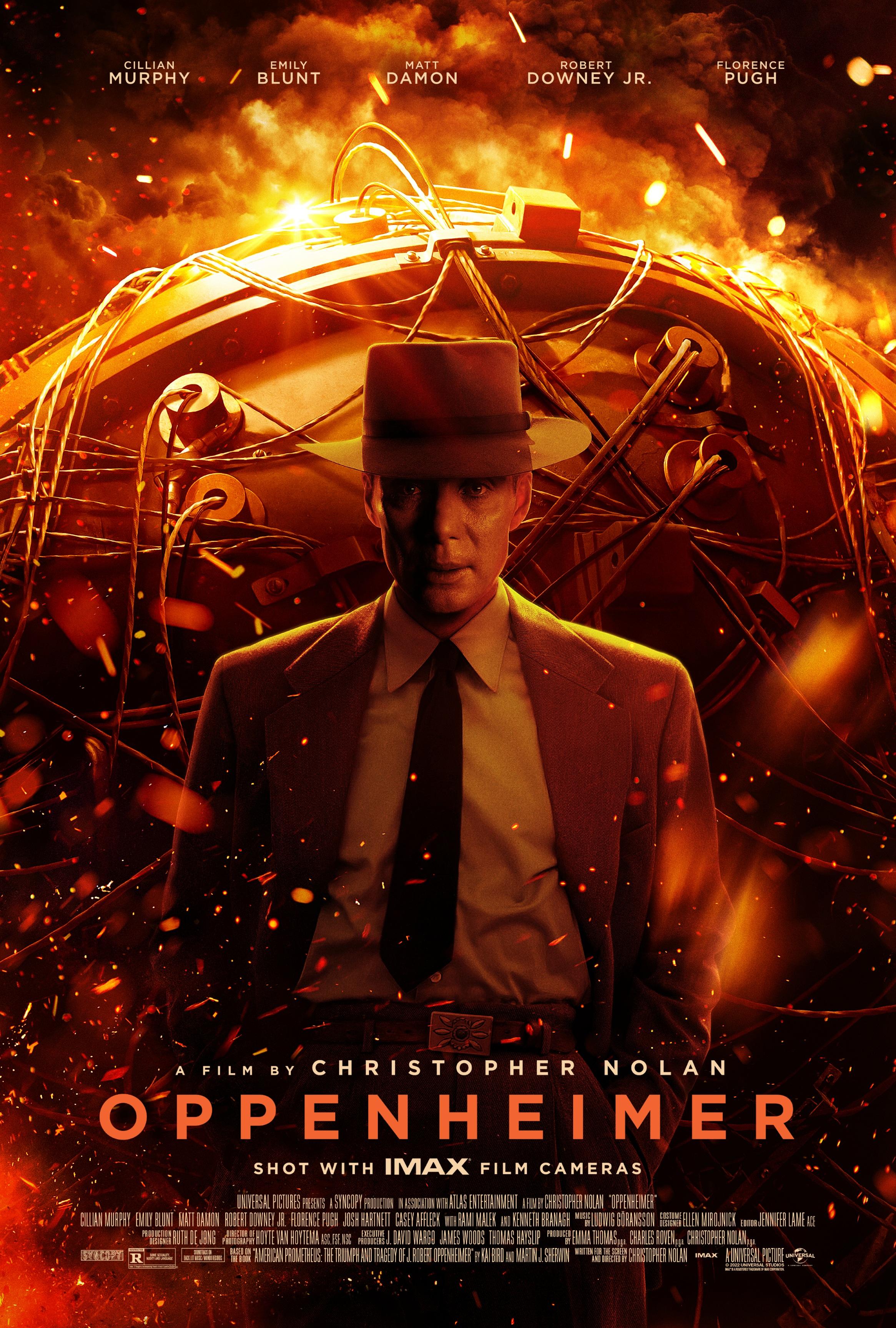
Oppenheimer, nominated for thirteen Academy Awards and based on
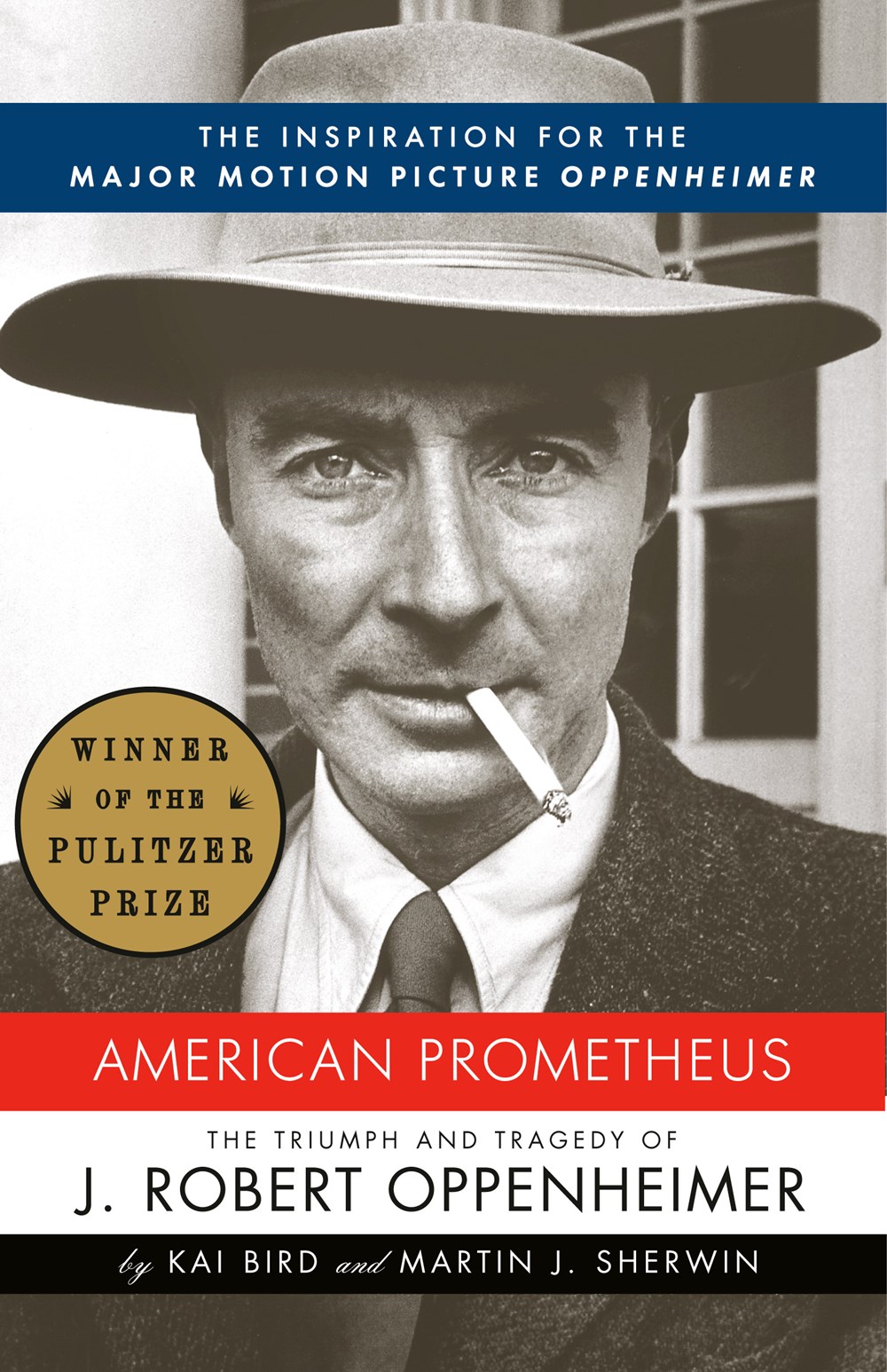
American Prometheus: The Triumph and Tragedy of J. Robert Oppenheimer by Kai Bird and Martin J. Sherwin
J. Robert Oppenheimer is one of the iconic figures of the twentieth century, a physicist who led the effort to build the atomic bomb for his country in a time of war, and who later found himself confronting the moral consequences of scientific progress.
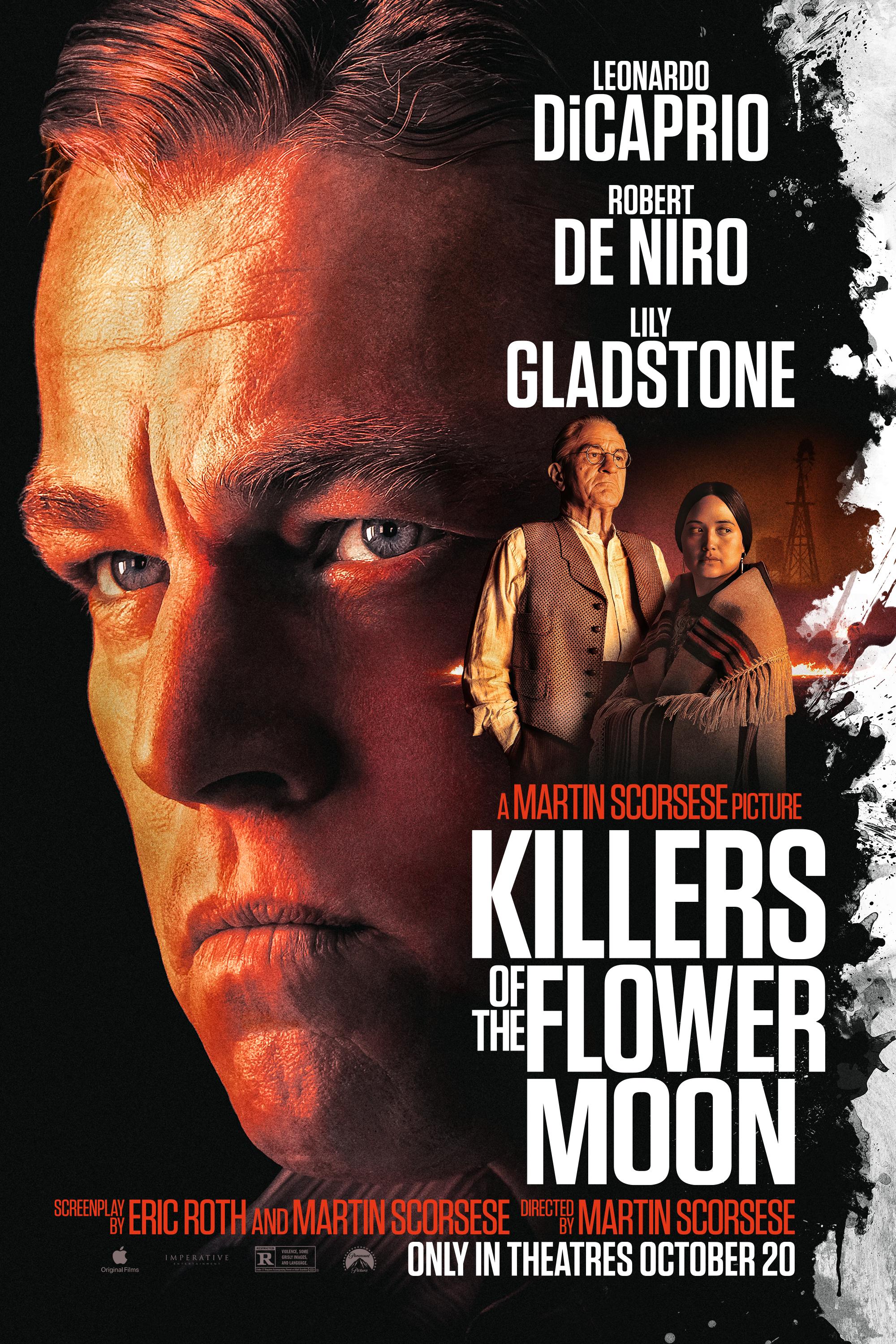
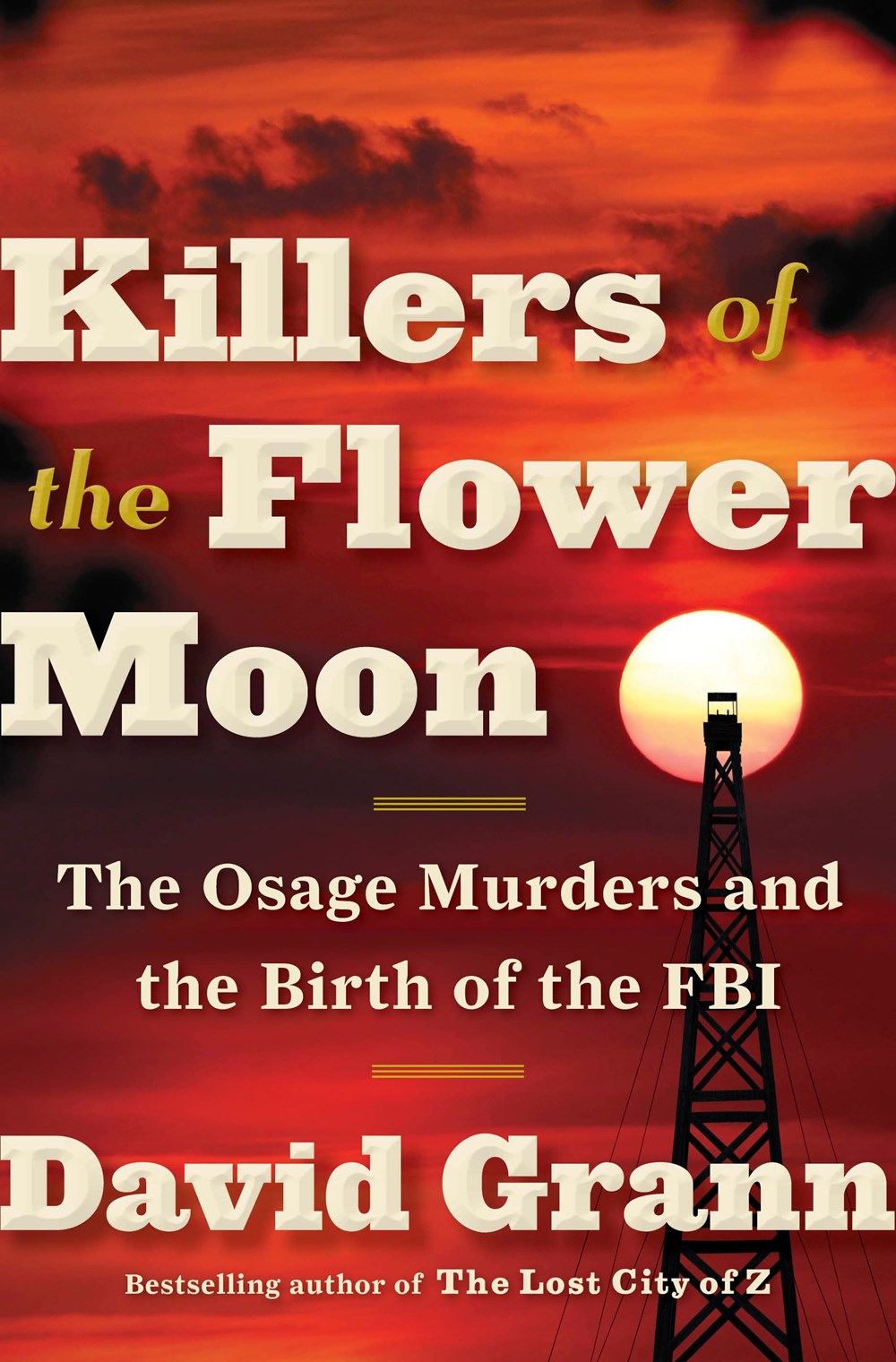
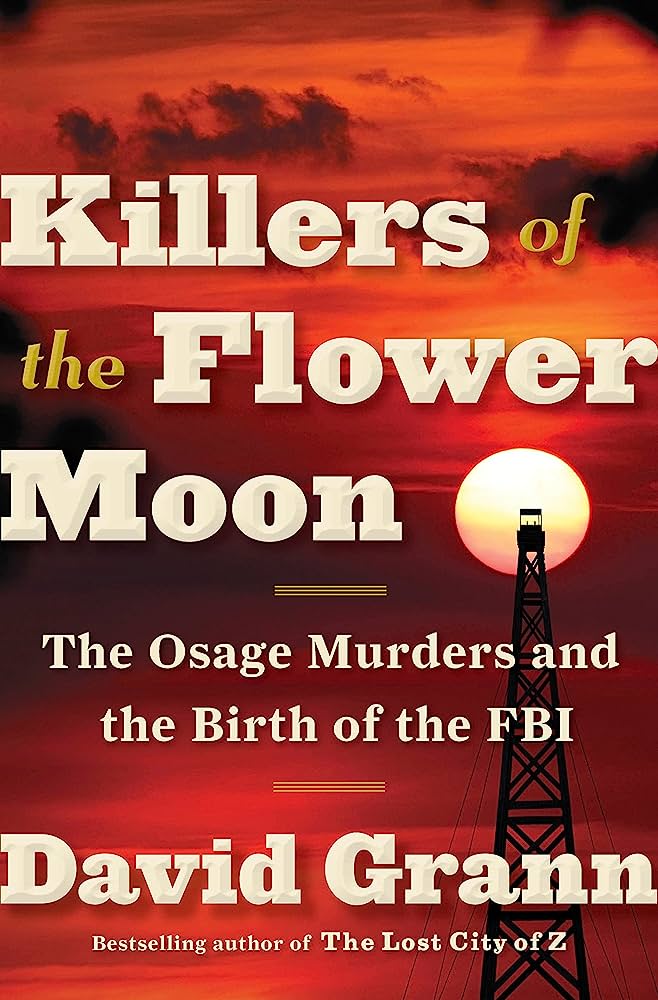
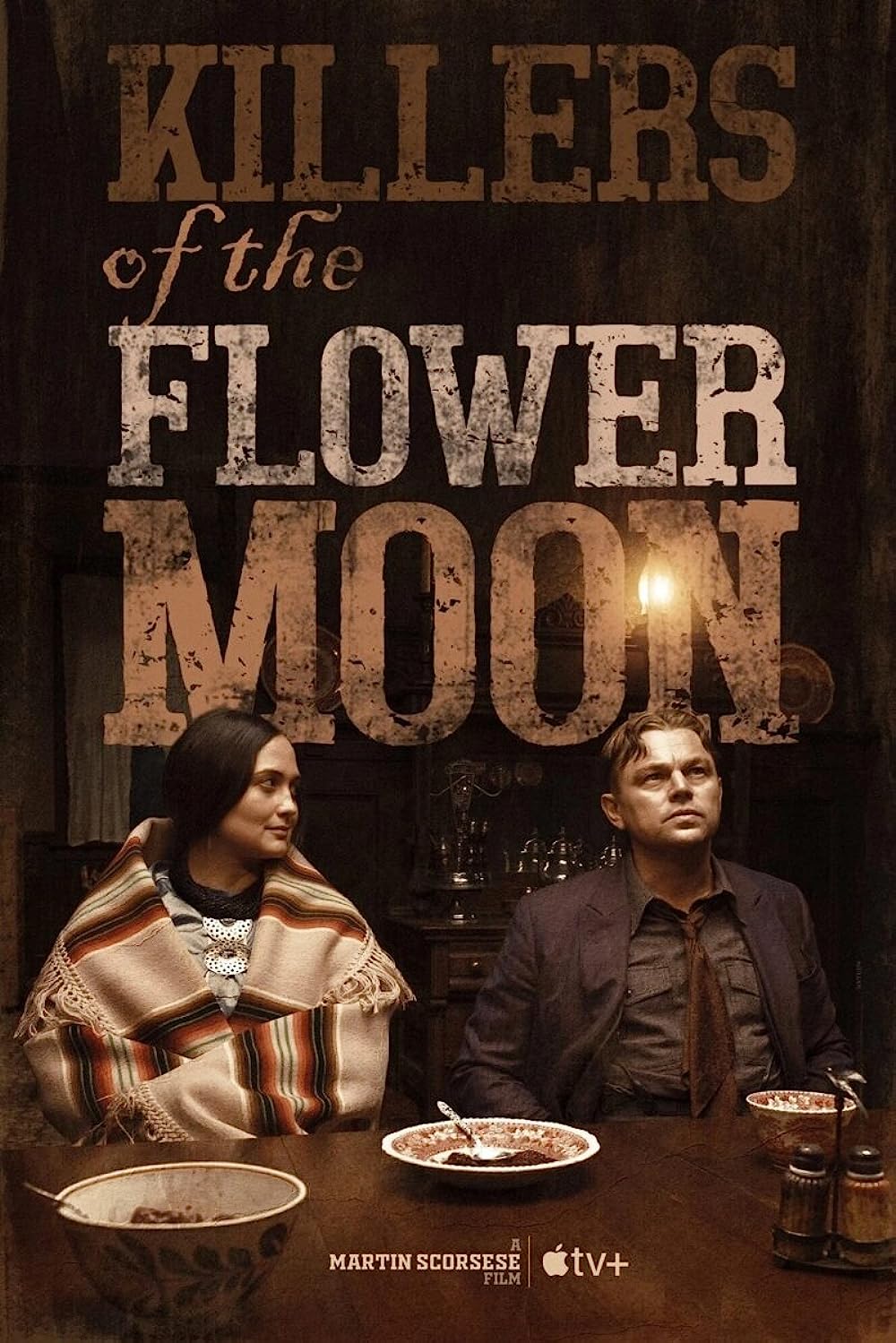
Killers of the Flower Moon: The Osage Murders and the Birth of the FBI by David Grann
Presents a true account of the early twentieth-century murders of dozens of wealthy Osage and law-enforcement officials, citing the contributions and missteps of a fledgling FBI that eventually uncovered one of the most chilling conspiracies in American history.
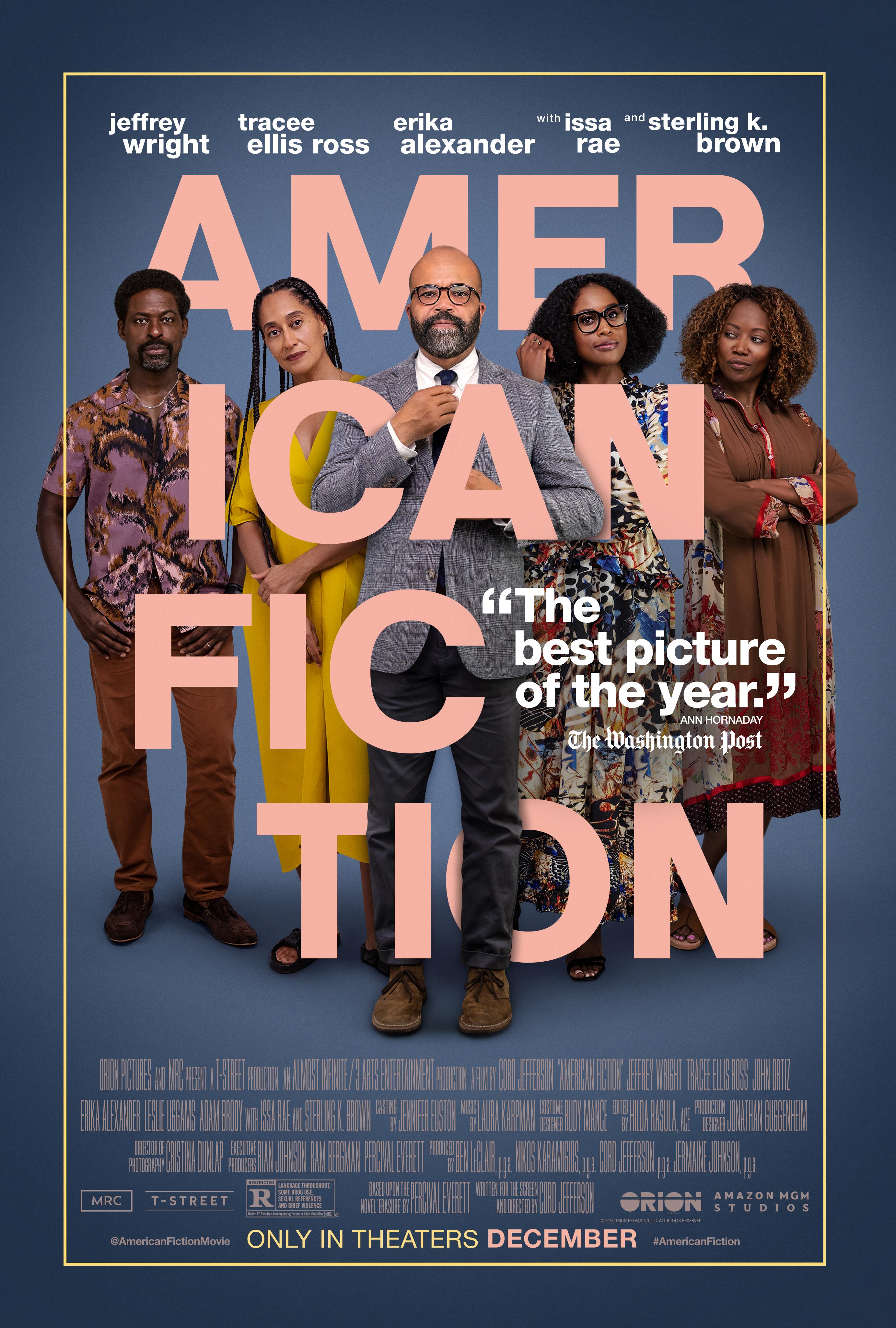
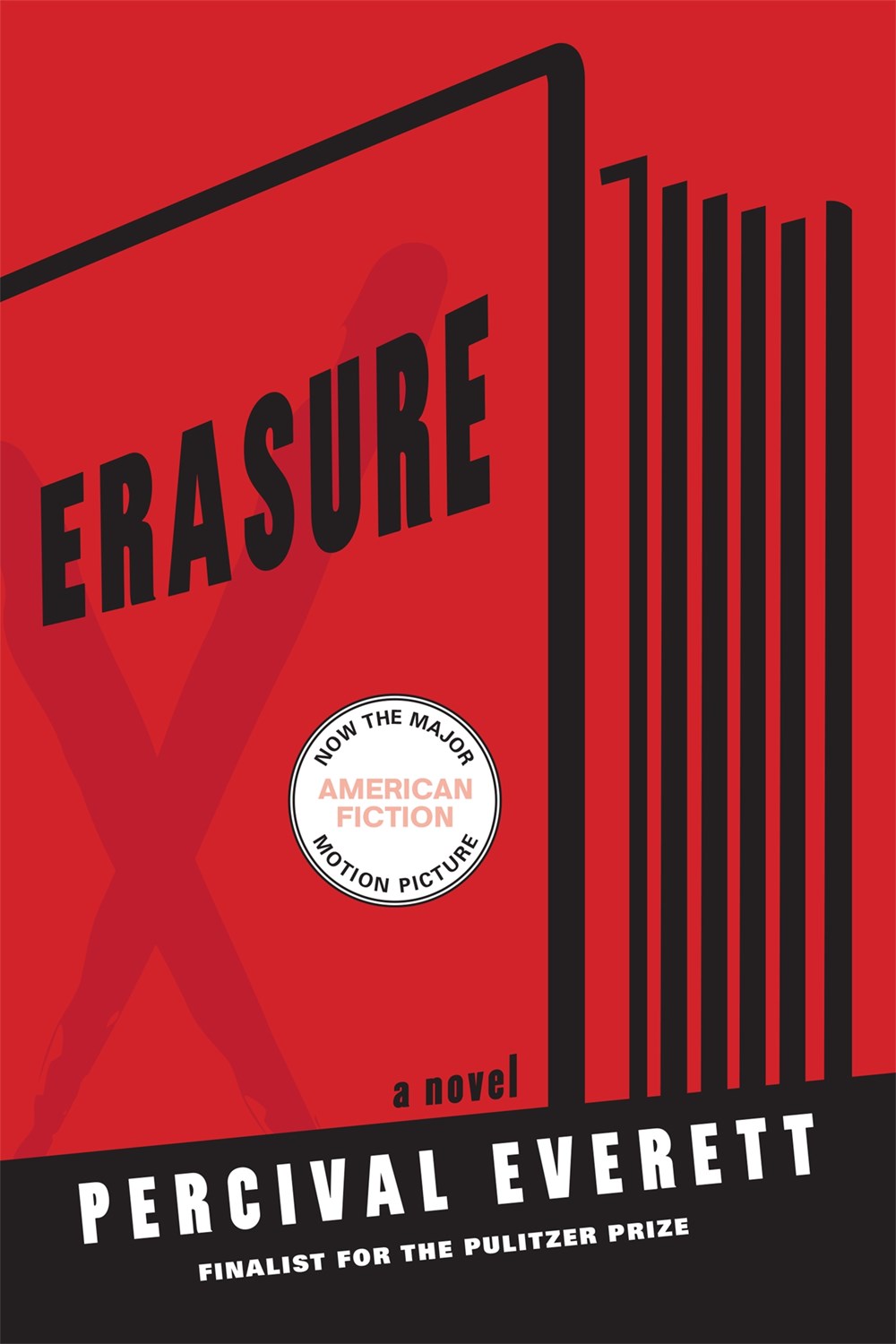
American Fiction, nominated for five Academy Awards and based on
Erasure by Percival Everett
Thelonius “Monk” Ellison is an erudite, accomplished but seldom-read author who insists on writing obscure literary papers rather than the so-called “ghetto prose” that would make him a commercial success.
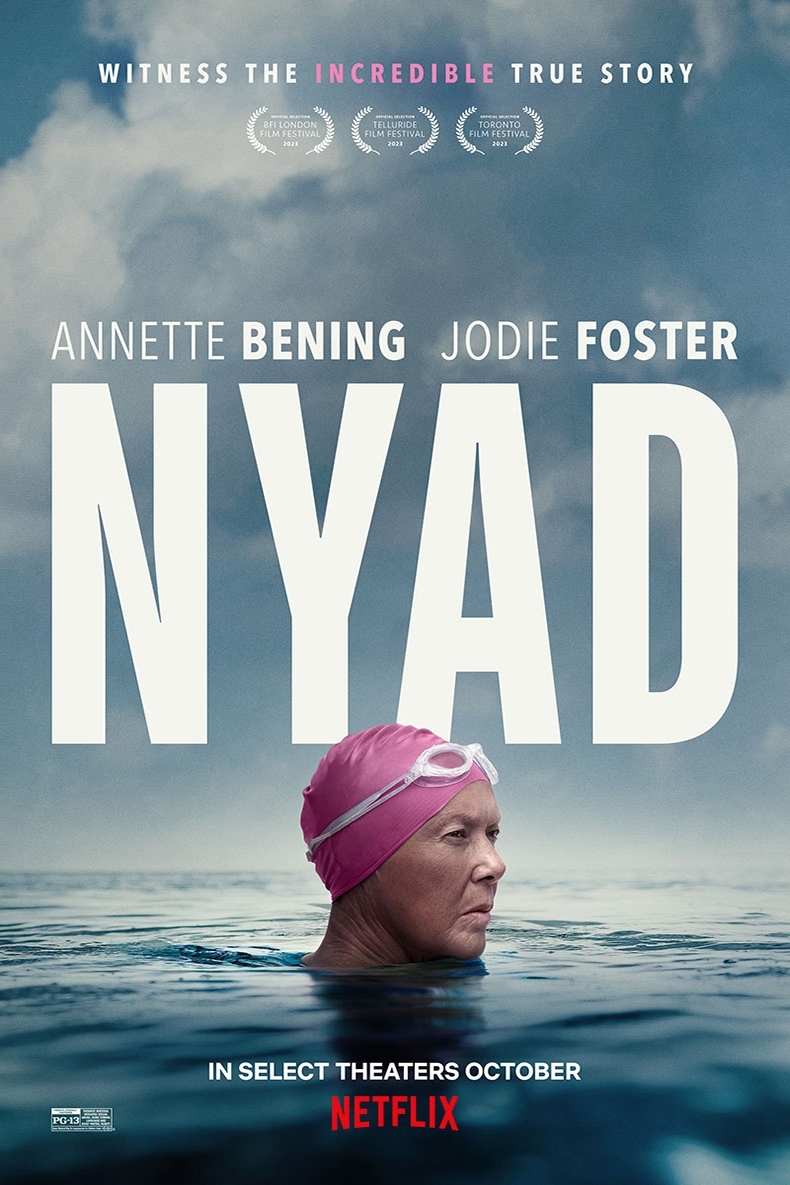
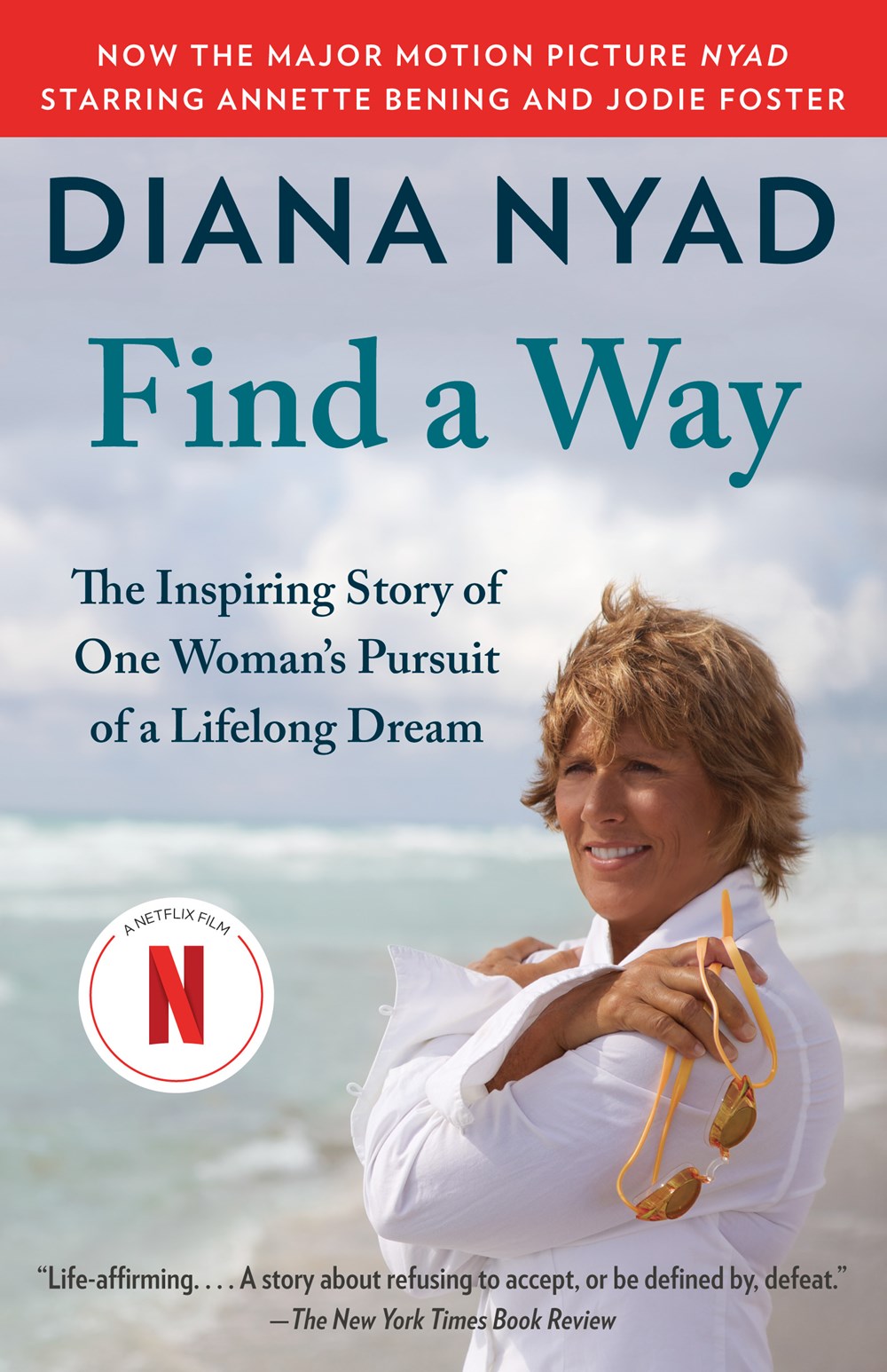
Nyad, nominated for two Academy Awards and based on
Find a Way: The Inspiring Story of One Woman’s Pursuit of a Lifelong Dream by Diana Nyad
On September 2, 2013, at the age of 64, Diana Nyad emerged onto the shores of Key West after completing a 110 mile, 53 hour, record-breaking swim through shark-infested waters from Cuba to Florida
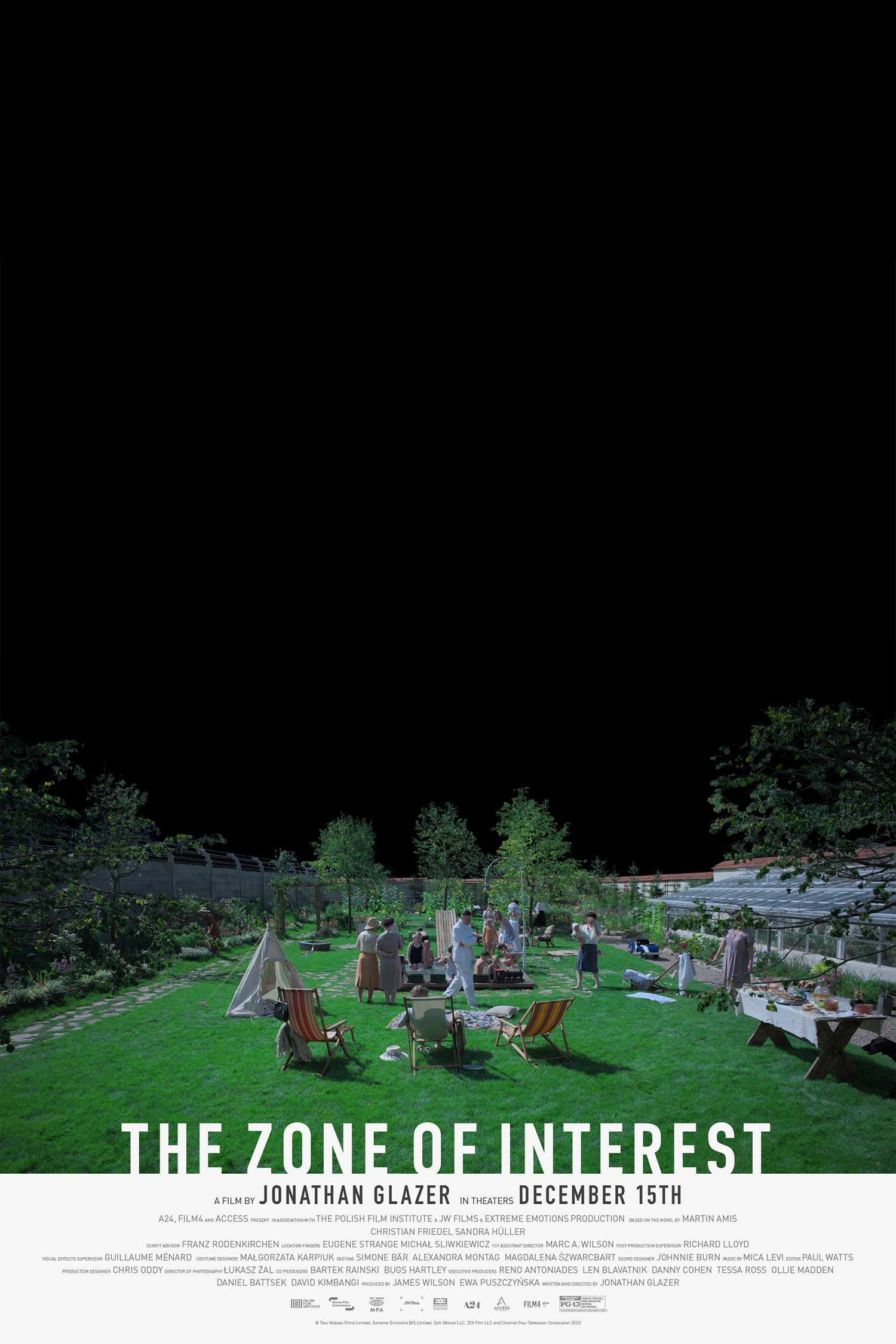
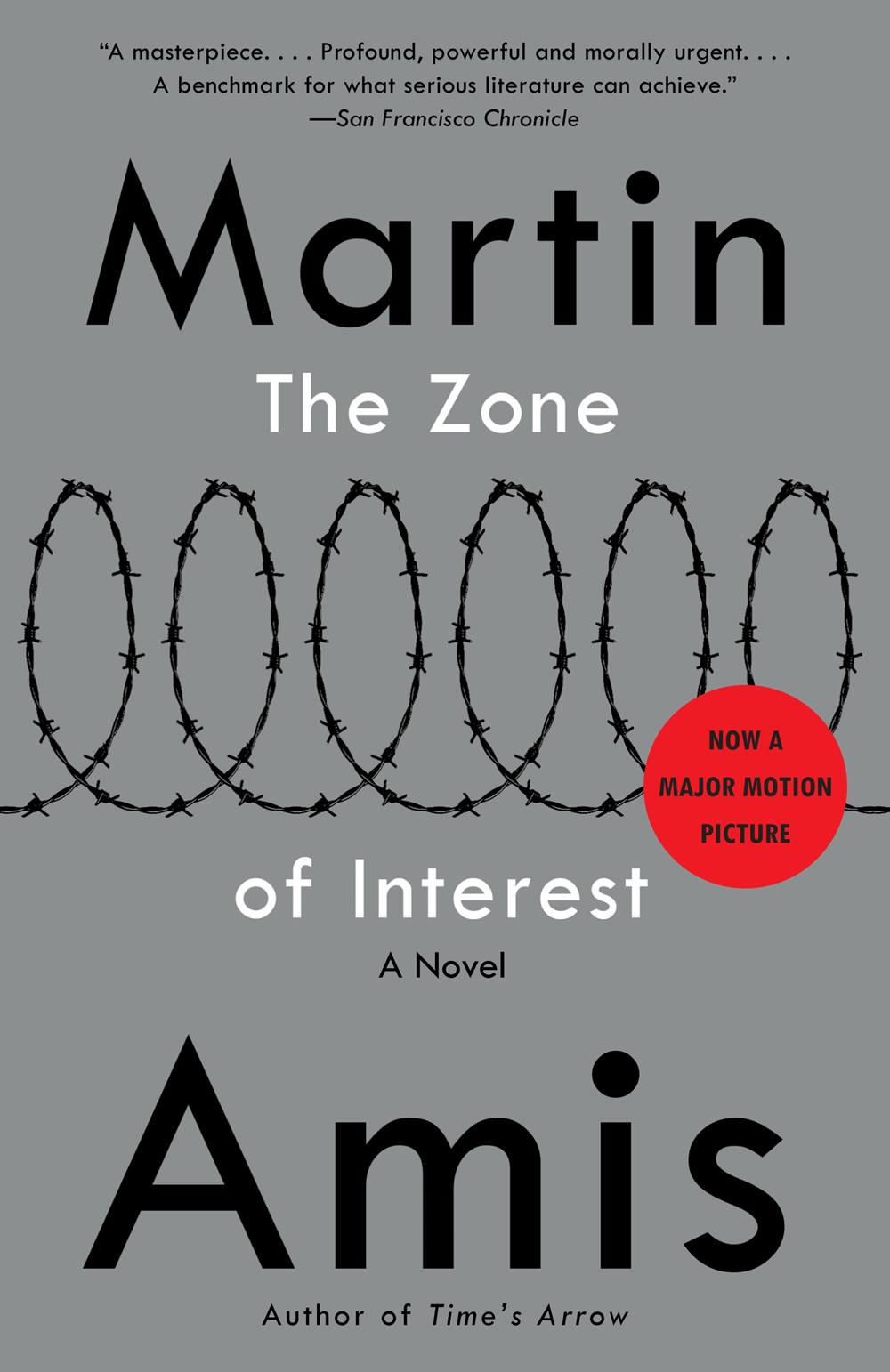
The Zone of Interest, nominated for five Academy Awards and based on
The Zone of Interest by Martin Amis
A fictionalized look at the Holocaust told from the human perspective of four different characters: Paul Doll, commandant of a concentration camp; his wife, Hannah Doll, who is far more aware of what is going on around her than her husband realizes; Angelus ‘Golo’ Thomsen, the privileged nephew of Hitler’s personal secretary who falls for Hannah; and Szmul, a Jewish prisoner who works at the camp and witnesses all of the atrocities that happen around him.
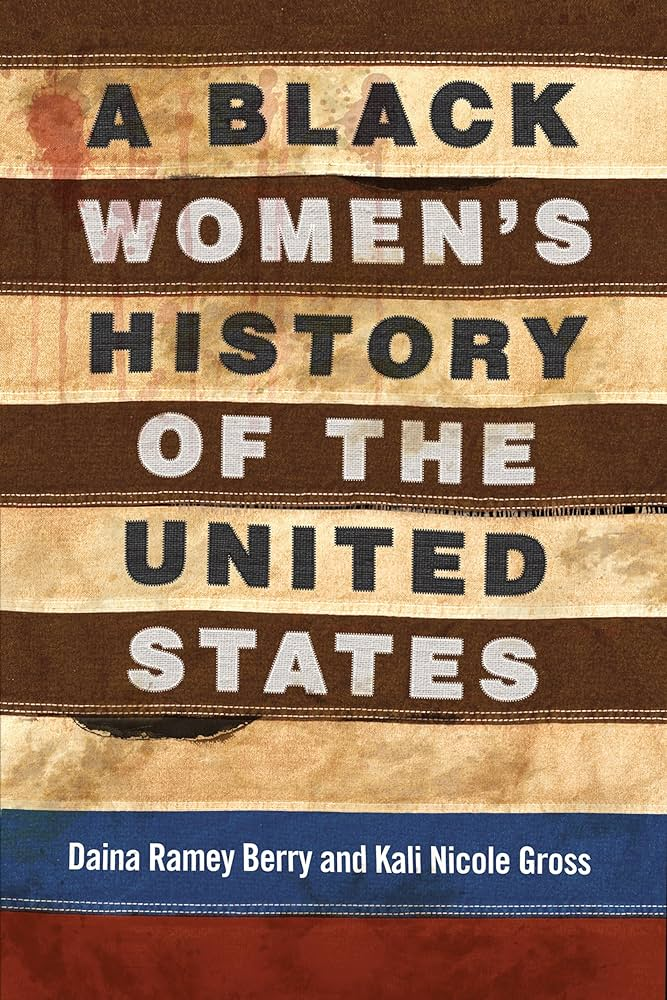
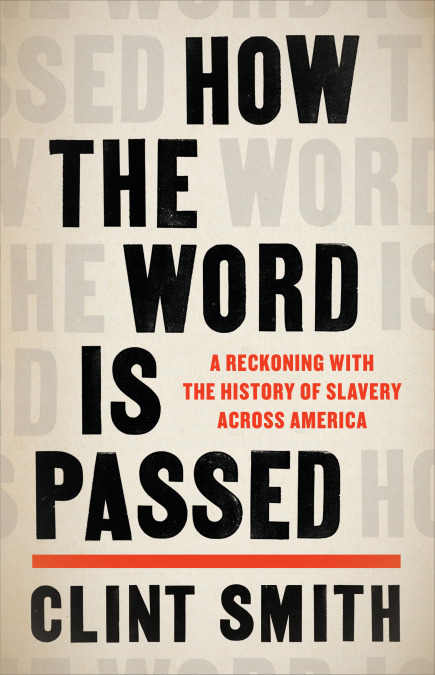
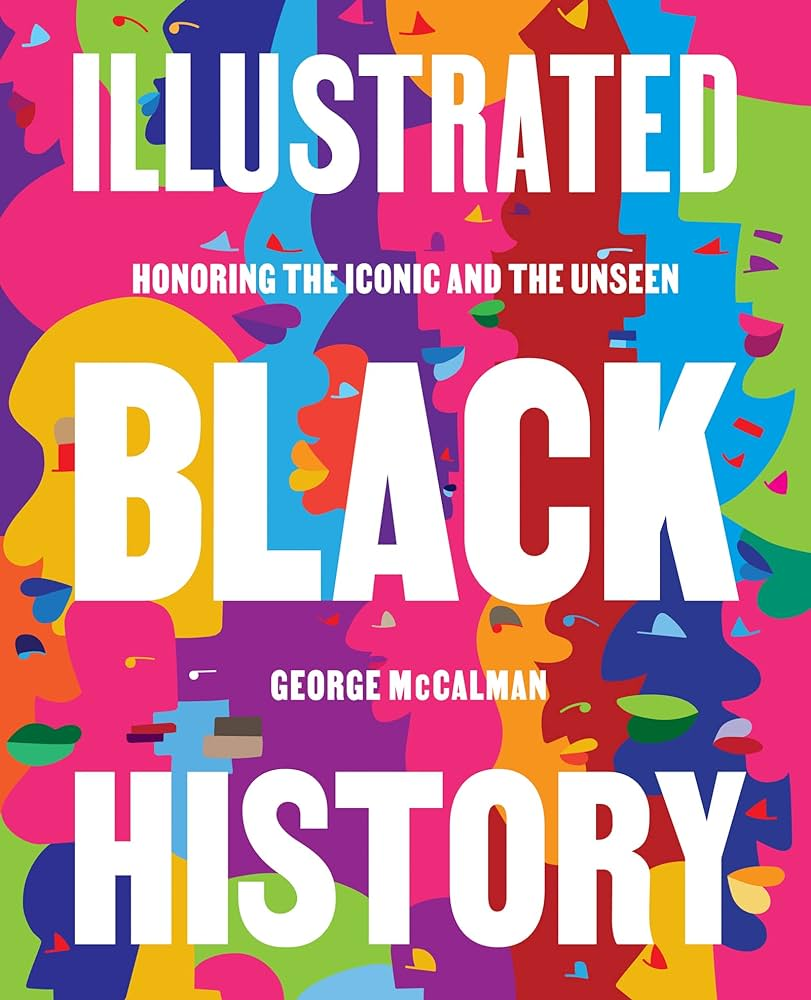
Today is the first day of Black History Month! Originally started in February 1926, it spanned one week, encompassing the birthdays of Abraham Lincoln and Frederick Douglass. The response was incredible: Black organizations formed; teachers demanded materials to teach their students Black history; and progressive white people endorsed the efforts. In 1976, the celebration was officially changed to the entire month of February, to honor the achievements, contributions, and history of Black Americans.
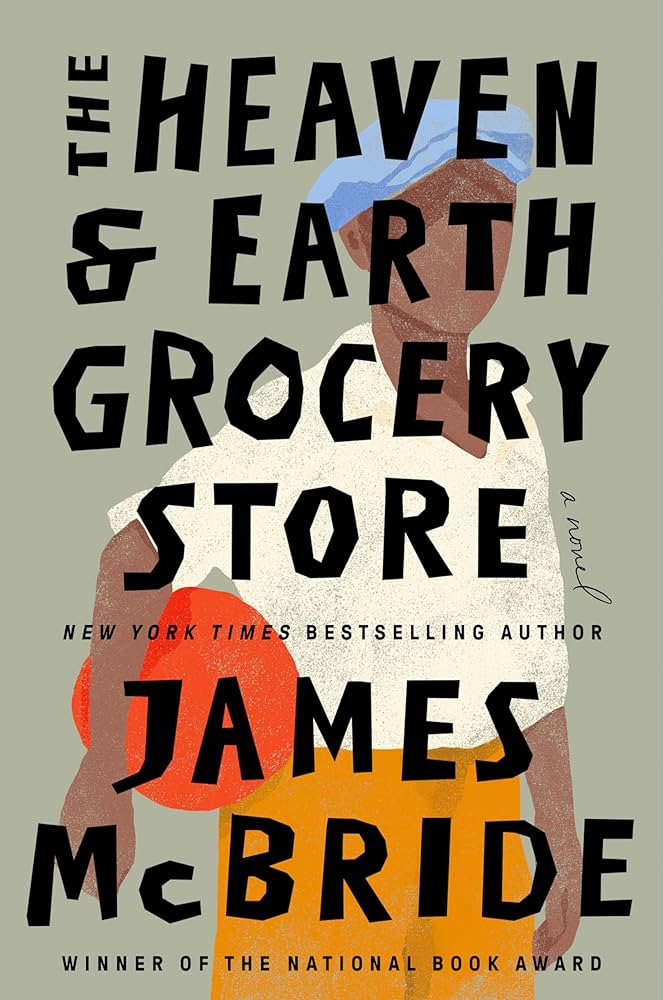
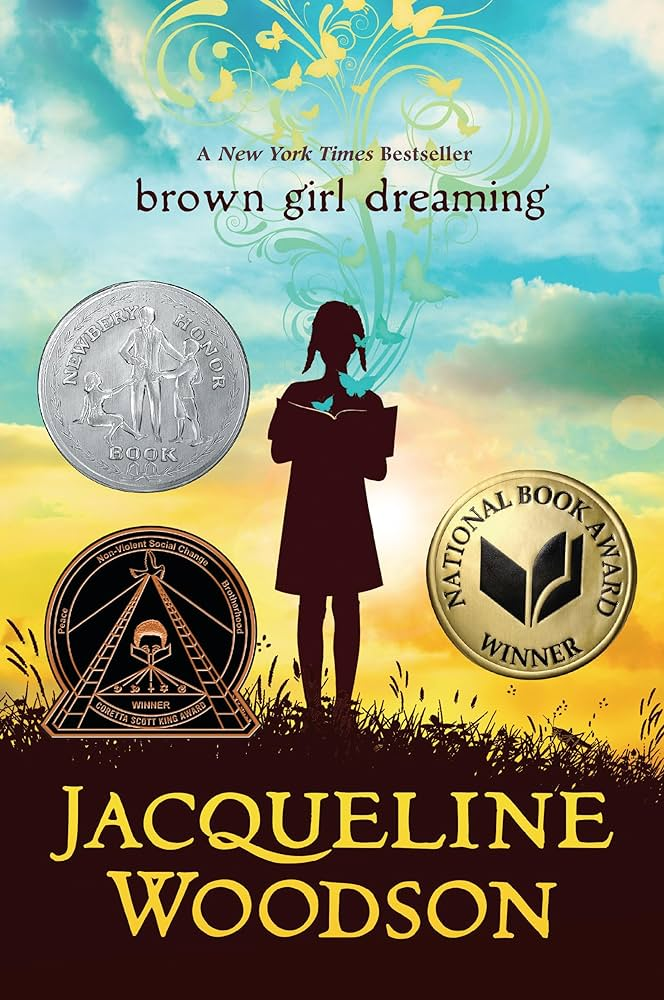
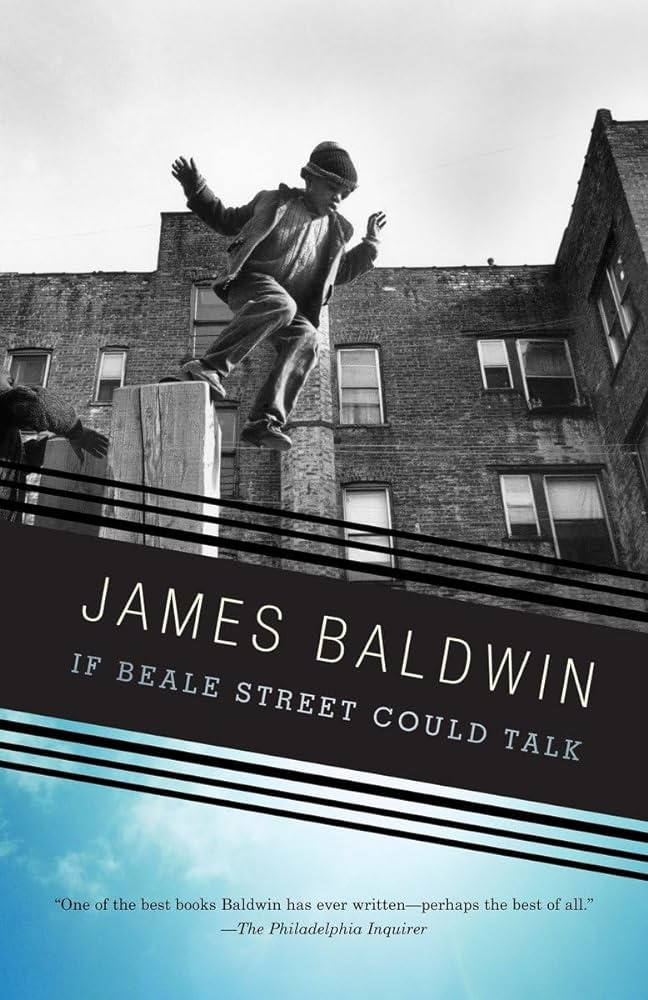
Here are a few selections of nonfiction and fiction books to start celebrating, learning, and enjoying during Black History Month and beyond:
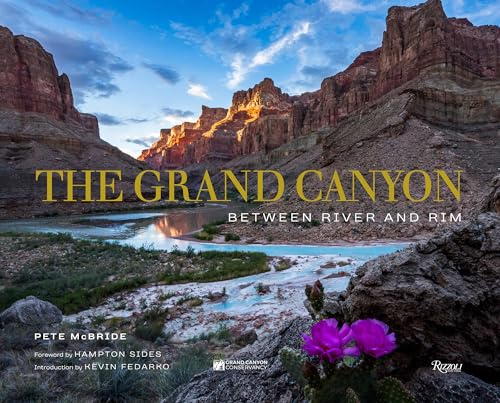
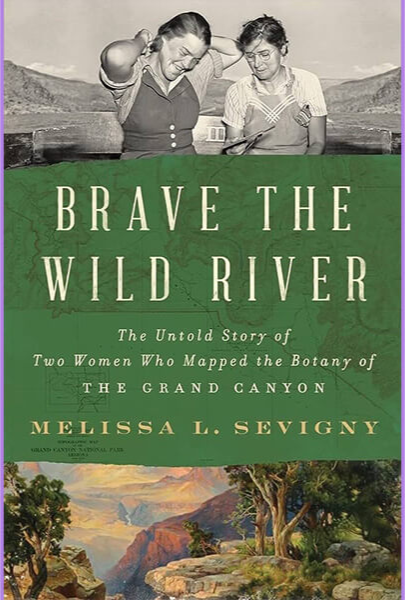
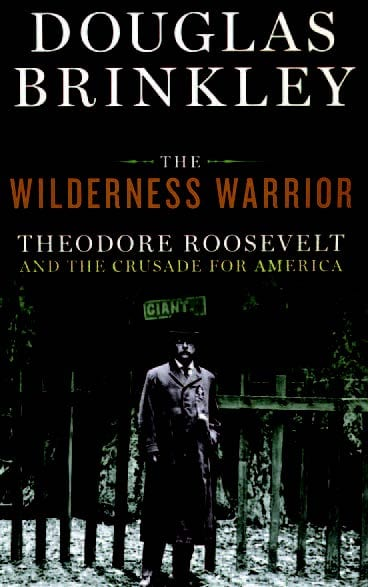
Before it was designated as a National Park, the Grand Canyon was a National Monument by President Theodore Roosevelt on January 11, 1908. Multiple times, Senate bills were introduced to establish the area as a National Park before finally being signed by President Woodrow Wilson in 1919. The Grand Canyon became the 15th National Park in the United States.
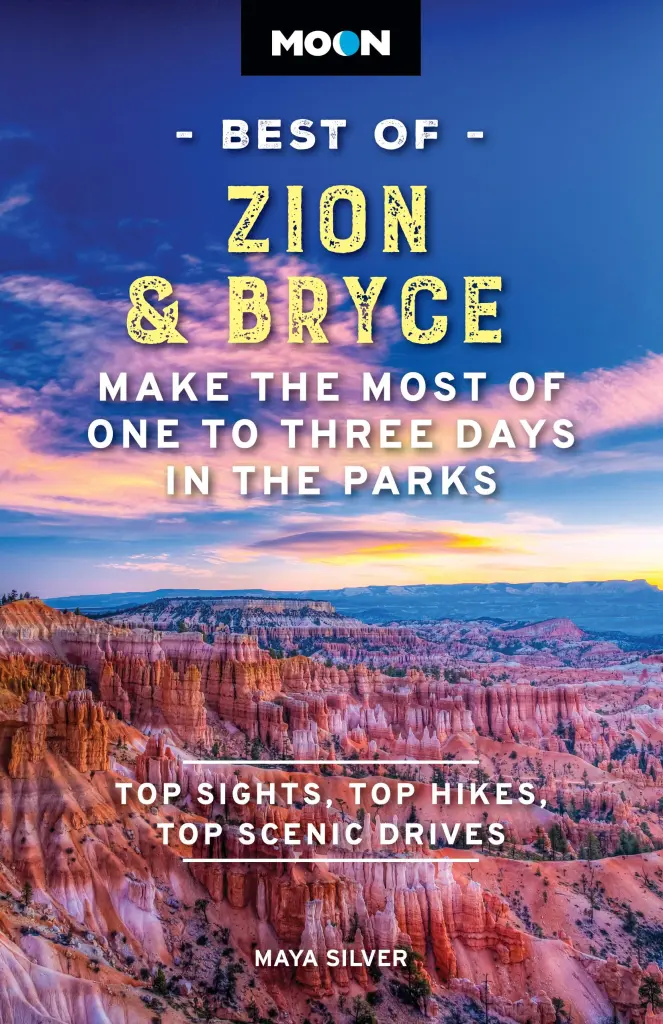
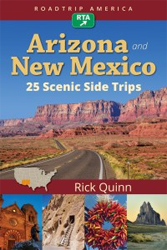
While the Grand Canyon is certainly one major draw to the region, there is no lack of beauty in the American Southwest. The Grand Canyon is certainly a showstopper, and there’s also Zion and Bryce Canyon National Parks across the border in Utah, Joshua Tree National Park further west in California, Sedona’s red rocks, the deep gorge of Black Canyon of the Gunnison…I could keep going but we’d be here all day! Instead, here are a few books to explore these incredible facets of our planet, whether you’re planning a trip or doing some armchair travel:
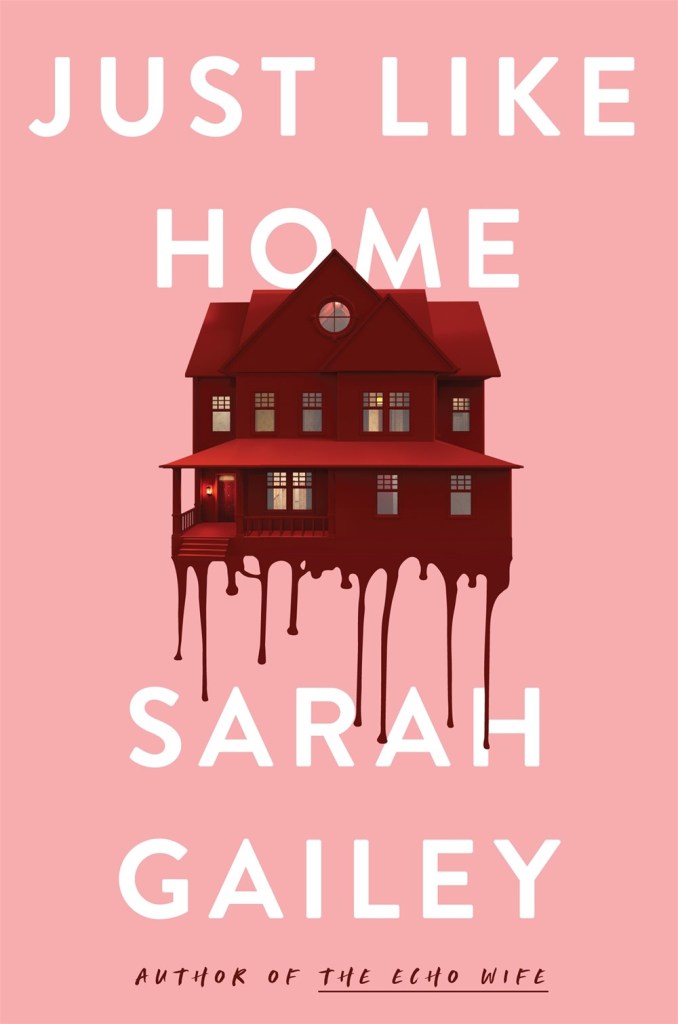
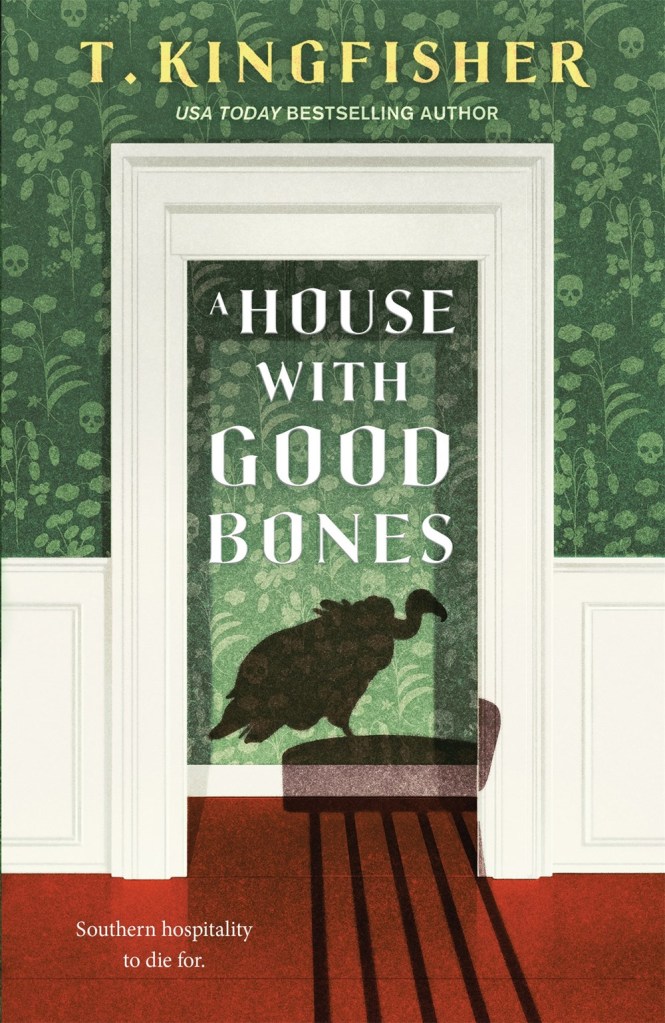
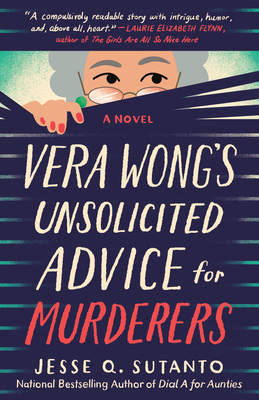
There are secrets yet undiscovered in the foundations of the notorious Crowder House. Vera must face them and find out for herself just how deep the rot goes.
I was introduced to Sarah Gailey this year and have loved everything I’ve read so far. Spooky house stories are a win anytime of year.
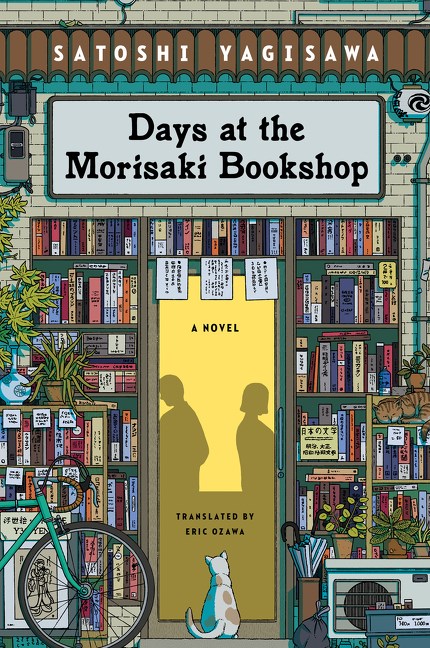
After a young Japanese woman’s life falls apart, she moves into a flat above her eccentric uncle’s bookshop, staying rent-free in exchange for working at the store and developing a passion for Japanese literature.
This is a quietly paced gem of a book. A short read perfect for all book lovers.
To earn the last credit she needs to graduate, Lydia Chass teams up with foul-mouthed Bristal Jamison to transform her listener-friendly local history podcast into a hard-hitting, truth-telling expose as they investigate an unsolved murder from their small town’s past.
Warned by her brother that their mother seems “off,” Sam visits and discovers a once-cozy home with sterile white walls, a her mom a jumpy, nervous wreck and a jar of teeth hidden in the rosebushes.
Felling the Nazis, painter Remedios Varo and her poet lover await exit papers from a safe house on the Riviera and take refuge in a mysterious bookshop that opens up a world of occult learning that sparks creative genius.
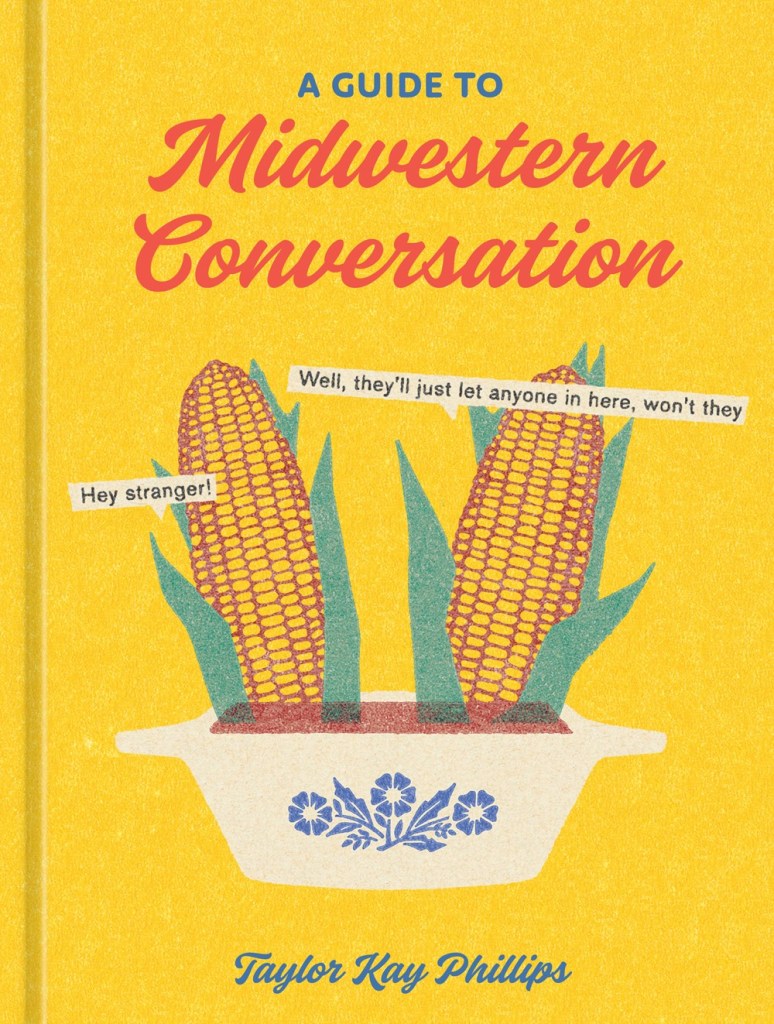
Learn how to speak like a Midwesterner in this humorous and self-deprecating look at their common phrases and sentiments and featuring an ode to the Garage Fridge.
Ope, lemme just tell you- this light-hearted look at the Midwestern states and our odd speech patterns was a fun read.
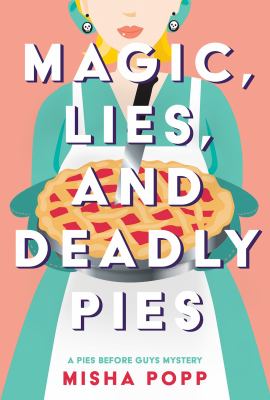
During her annual televised baking competition on her Vermont estate, celebrated baker Betsy Martin, hailed as “America’s Grandmother,” finds murder in the mix when a body is discovered, and everyone is a suspect.
Investigating an estranged sibling’s suspicious drowning at their grandmother’s estate, Jax connects the tragedy to the unsolved case of a housewife who in 1929 allegedly succumbed to a wish-granting spring.
Jennifer McMahon is always a must-read for me, and the alternating timeline of this book made this one hard to put down.
It’s that time of year when we are given the impossible task of identifying our ten favorite books of the year. As of this writing I have read or listened to 124 books. I gave 21 of those a five-star rating. My top three categories this year were Mystery/Thrillers (40 books), YA (26 books), and Nonfiction (25 books). I also reread three books this year, a record number, as I am not much of a re-reader. Click the cover to request a copy from our catalog.
Five Star REREADS:
Five Star NONFICTION
Five Star YA
Five Star EVERYTHING ELSE
I am wrapping up a year of reading with some holiday romances and cozy mysteries. I don’t know about you, but I need nice stories with happy endings right now. I hope your new year is filled with books you love. Happy Reading!
This year I’m really leaning into the popular saying, “So many books, so little time!” My list of possibilities for a Top Ten is longer than usual thanks to my participation on American Library Association’s The Reading List committee. The Reading List is focused on finding great reads in the genres of Adrenaline, Fantasy, Horror, Mystery, Relationship Fiction, Romance, and Science Fiction -some of these categories aren’t ones I naturally gravitate toward but I’ve enjoyed the entire experience! (Plus -now I have bonus books for this list!)
As always, the books are in alphabetical order in each genre. I’m attempting a three emoji description -🤞 I can make it work. The link will take you to our digital collection but there are print books as well, just give us a call!
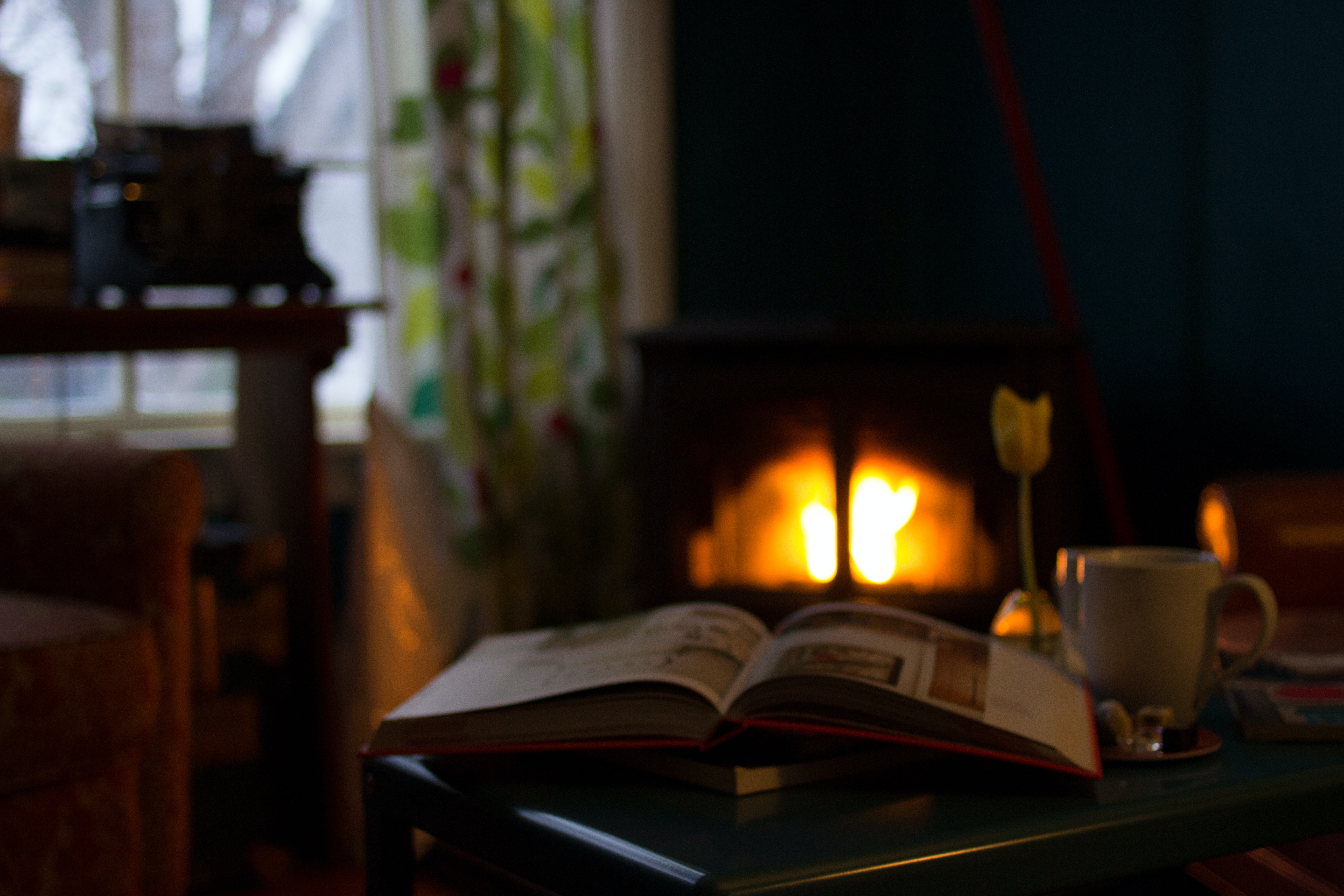
In 2016, one Danish word began to crop up in popularity: hygge (pronounced hooga). Hygge doesn’t have a direct English translation, but according to the official website of Denmark, “hygge is about taking time away from the daily rush to be together with people you care about – or even by yourself – to relax and enjoy life’s quieter pleasures.” The general spirit of most translations relate to the feelings of being cozy, relaxed, and grateful, and “reflects the values of Danish society: equality and the well-being of everybody.”
Hygge took the world by storm and quickly begged the question- what other Nordic traditions and concepts are we missing out on? Read on to learn about other practices to build into your daily life to up the cozy factor and bring international practices into your home. As the winter days are around the corner and daylight hours are shrinking, take time to enjoy the season.
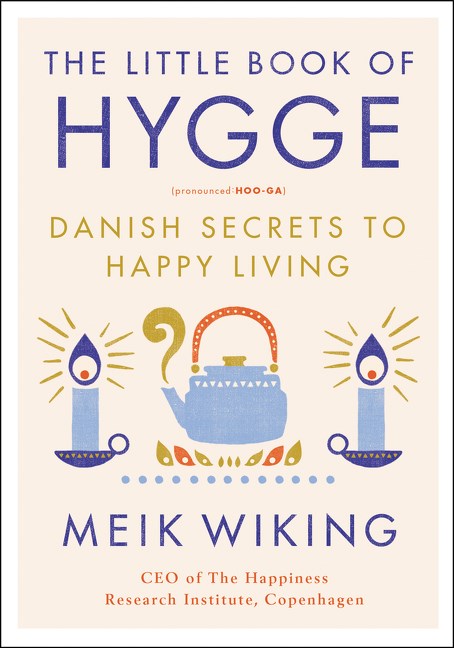
Why are Danes the happiest people in the world? The answer, says Meik Wiking, CEO of the Happiness Research Institute in Copenhagen, is Hygge. Loosely translated, Hygge–pronounced Hoo-ga–is a sense of comfort, togetherness, and well-being. “Hygge is about an atmosphere and an experience,” Wiking explains. “It is about being with the people we love. A feeling of home. A feeling that we are safe.”
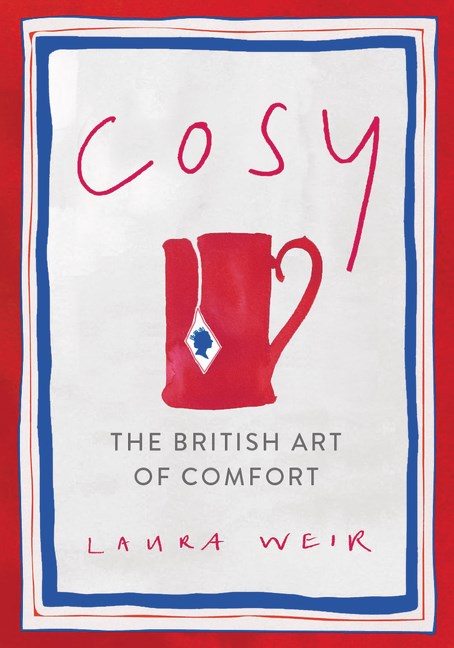
Cosy is “the slacker’s guide to staying at home, an antidote to peak frazzle.” With trademark Anglo cheekiness, Laura Weir perfectly captures the British essence of cosy. She celebrates socks, warms to the joys of toasty open fires, and extols the virtues of a quiet walk, ultimately enticing us all to create the British magic of cosy in our everyday lives.
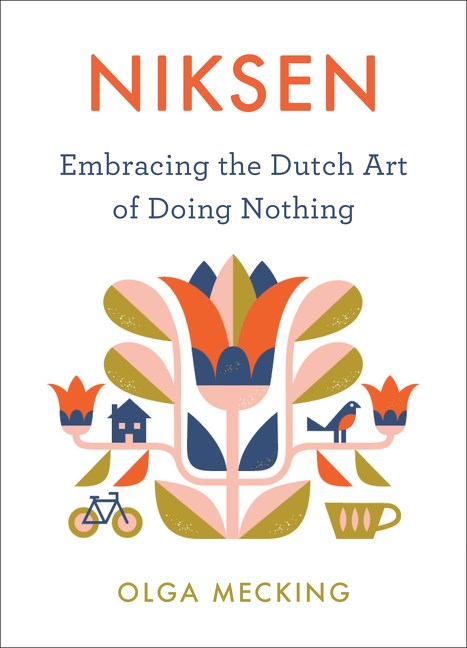
Niksen is not a form of meditation, nor is it a state of laziness or boredom. It’s not scrolling through social media, or wondering what you’re going to cook for dinner. Rather, to niks is to make a conscious choice to sit back, let go, and do nothing at all.
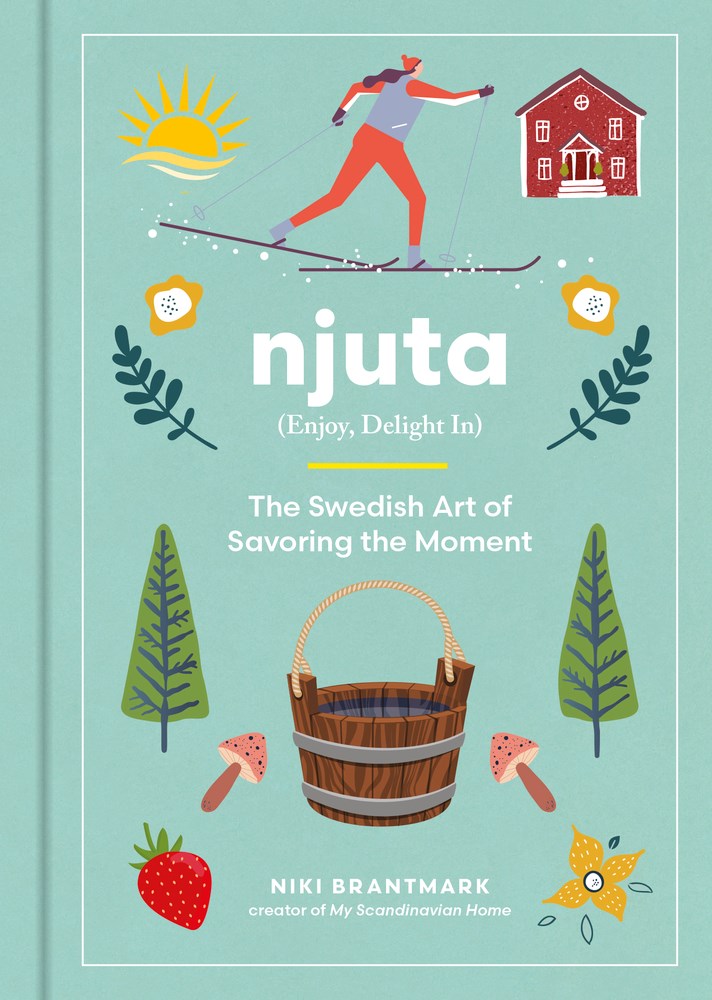
Do you aspire to live a more peaceful, intentional life of mindfulness, positivity, and gratitude? Njuta (pronounced “nyutah”), which means “enjoy” or “delight in,” is the Swedish art of savoring the moment. Focused on finding happiness in even the smallest things, njuta can be applied to every area of life:
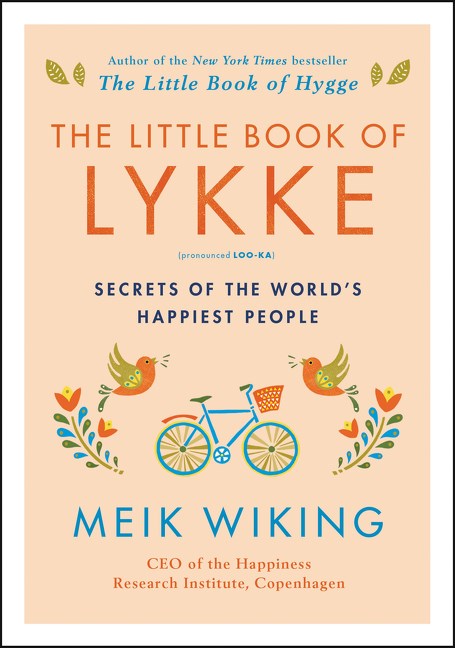
In The Little Book of Lykke, Meik identifies the six factors that explain the majority of differences in happiness across the world–togetherness, money, health, freedom, trust, and kindness–and explores what actions we can take to become happier. As he reveals, we can deepen our blissfulness and contentment with little adjustments in our behavior.
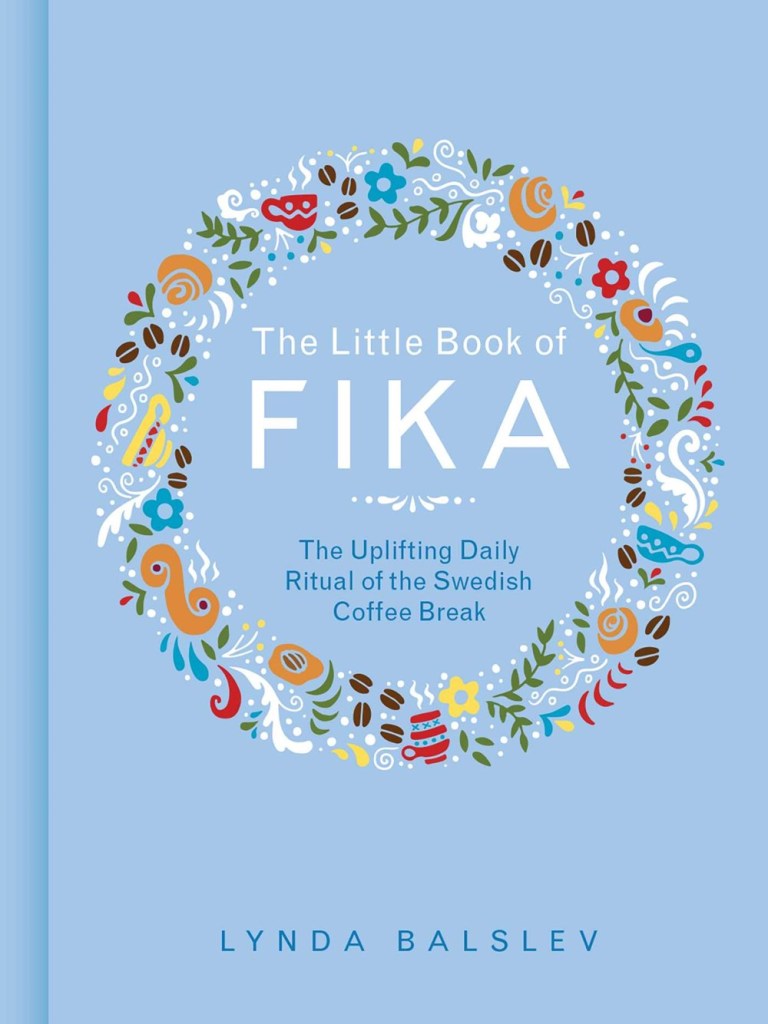
While the Danish concept of hygge as caught on around the globe, so has lagom– its Swedish counterpart. An essential part of the lagom lifestyle, fika is the simple art of taking a break–sometimes twice a day–to enjoy a warm beverage and sweet treat with friends.
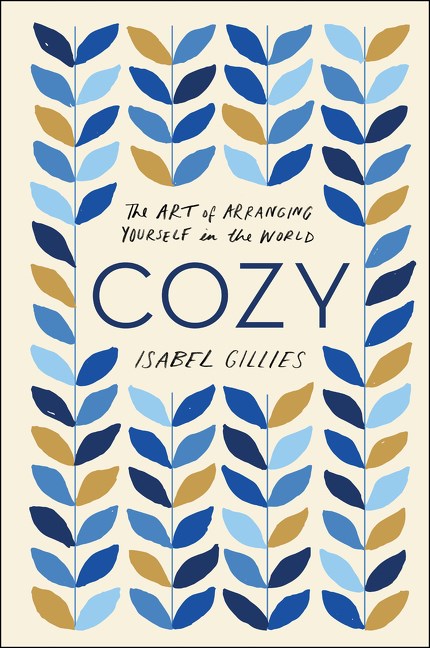
When we talk about being cozy, most of us think of a favorite sweater or a steaming cup of tea on a rainy day. But to Isabel Gillies, coziness goes beyond mere objects. To be truly cozy, she argues, means learning to identify the innermost truth of yourself and carrying it into the world, no matter your environment.
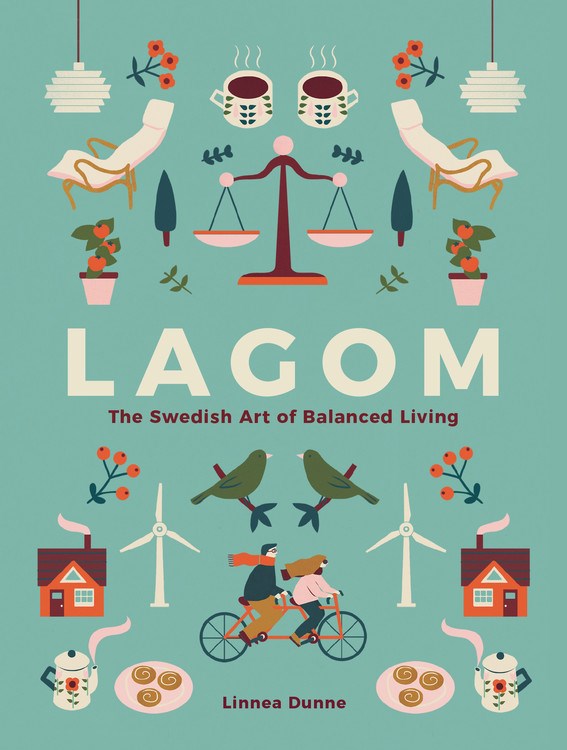
The Swedish concept of Lagom (pronounced “lah-gom”) roughly translates to “not too little, not too much, just right.” This charming book introduces readers to a new way of balanced living that promises happiness and sustainability in work and in life.
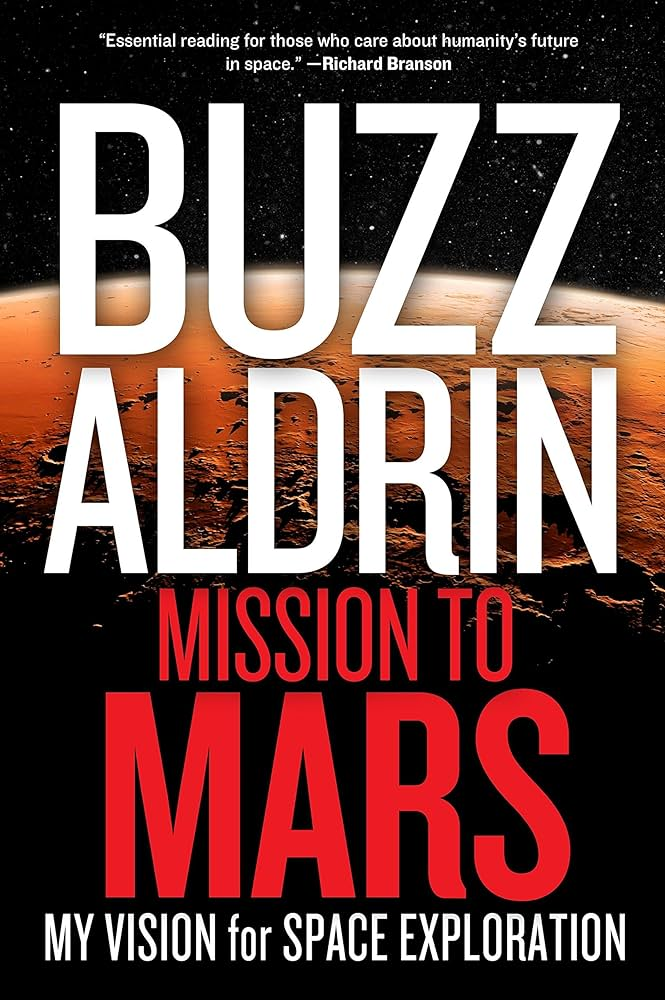
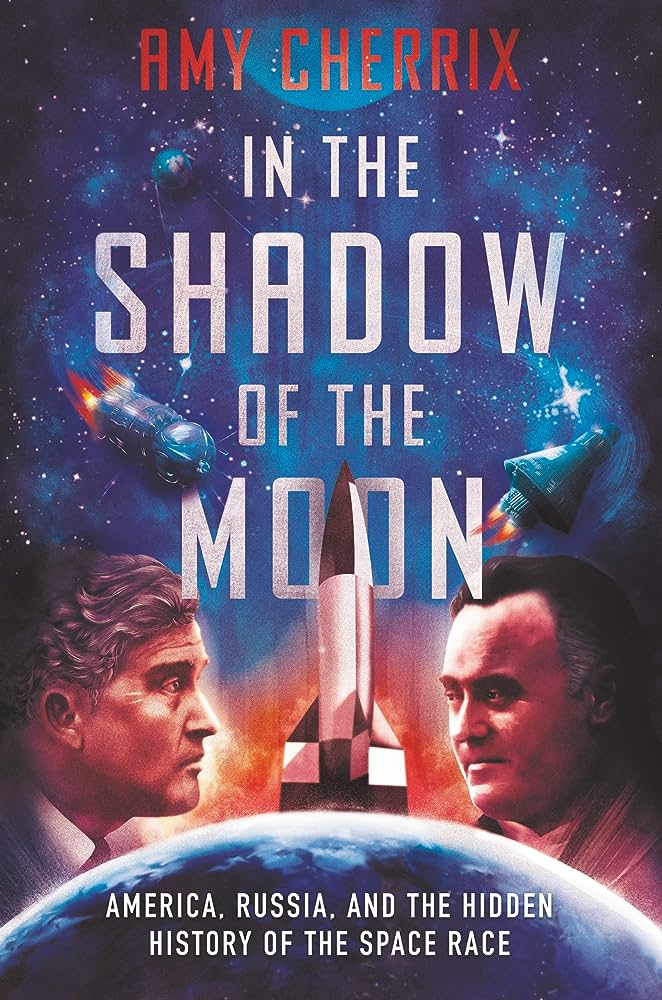
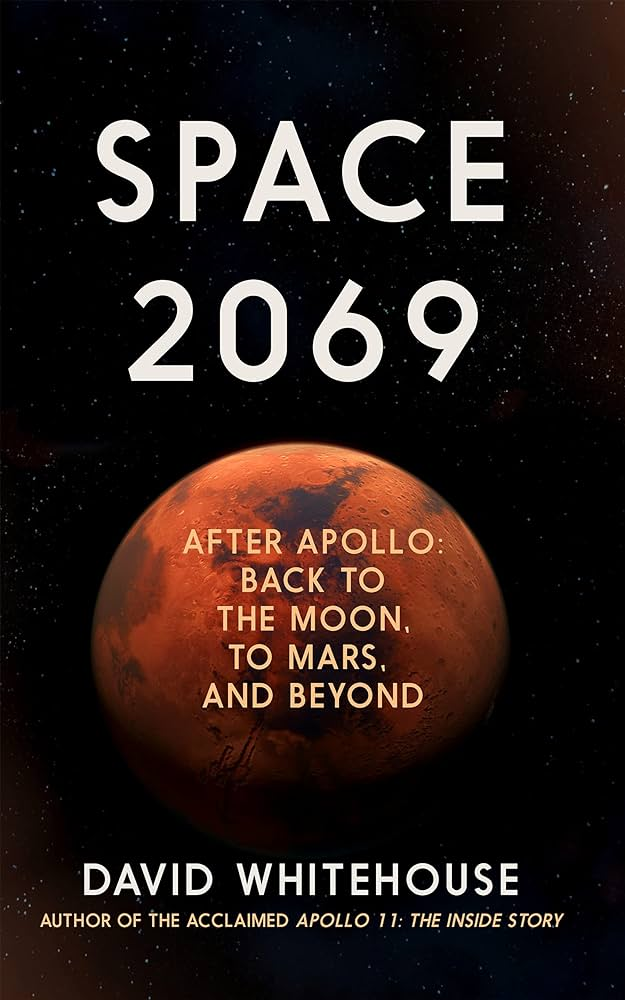
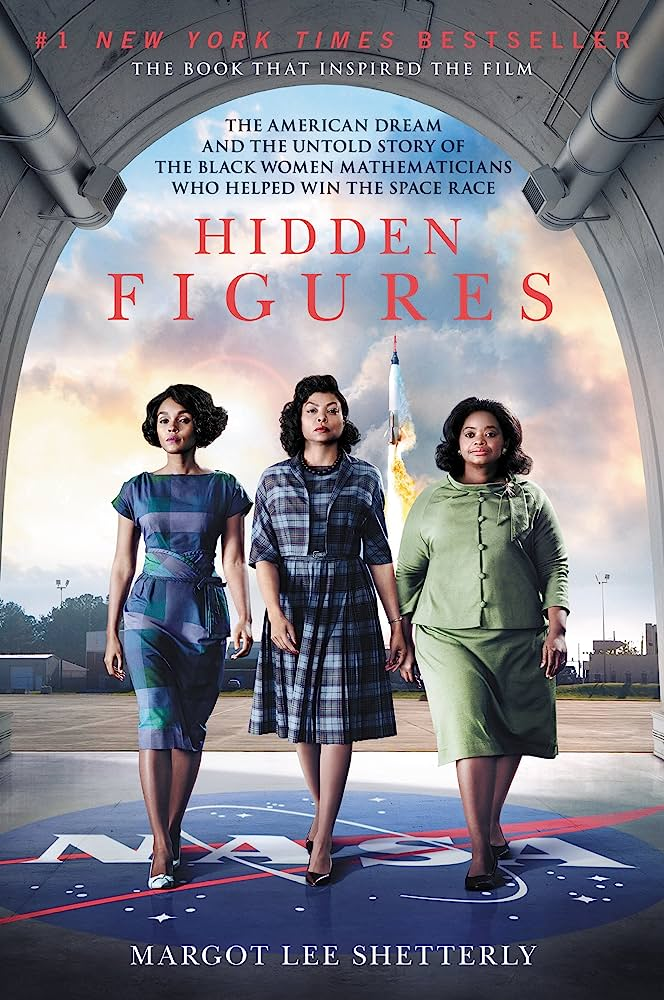
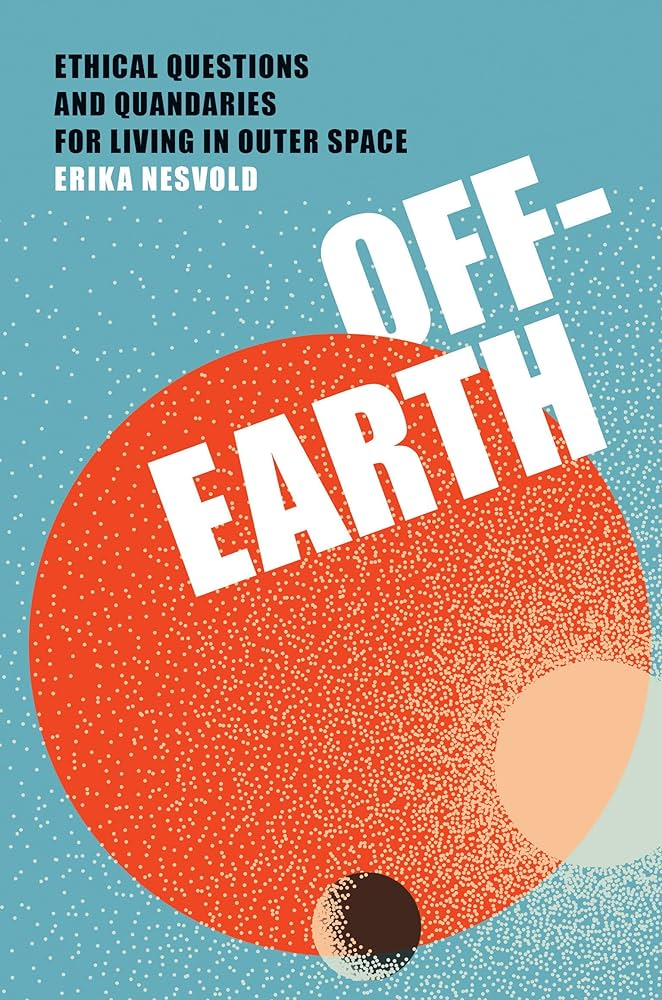
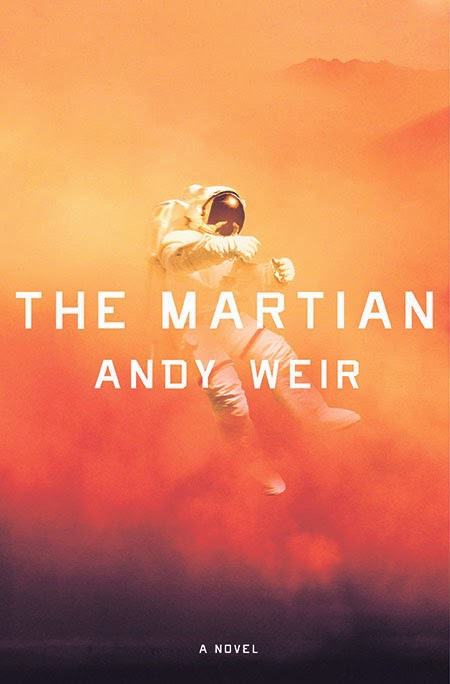
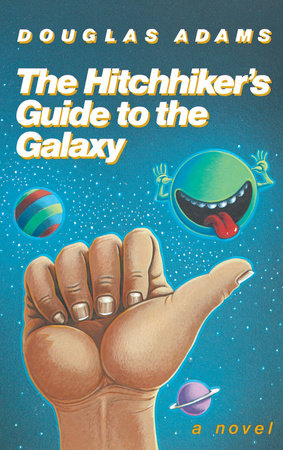
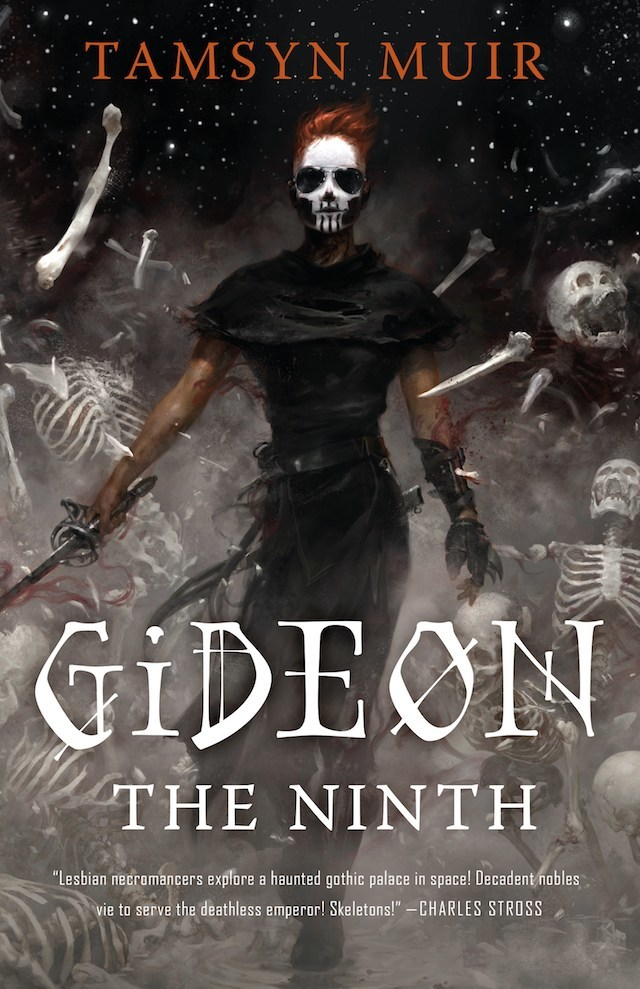
The week of October 4-10 is World Space Week, an international celebration of science and technology, and how those have contributed to the betterment of humanity. The dates were chosen to commemorate the anniversary of the launch of the first human-made Earth satellite, Sputnik 1 on October 4, 1957, and the signing of the Treaty on Principles Governing the Activities of States in the Exploration and Peaceful Uses of Outer Space, including the Moon and Other Celestial Bodies on October 10, 1967.
To celebrate, enjoy this list of space themed books, whether you like true accounts or imaginative tales, hopefully you find something that sparks a sense of wonder.
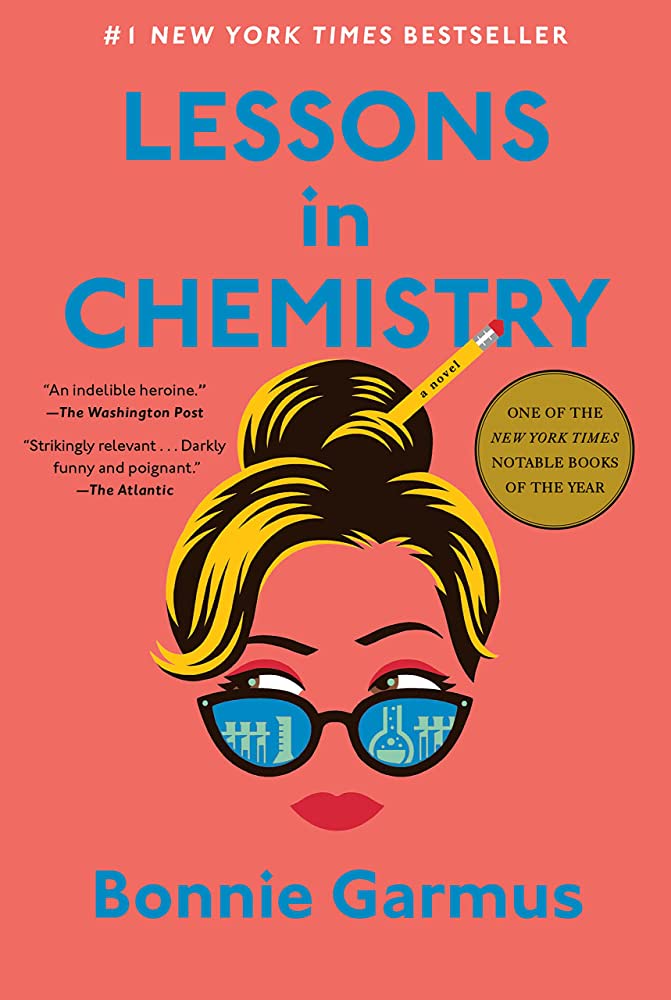
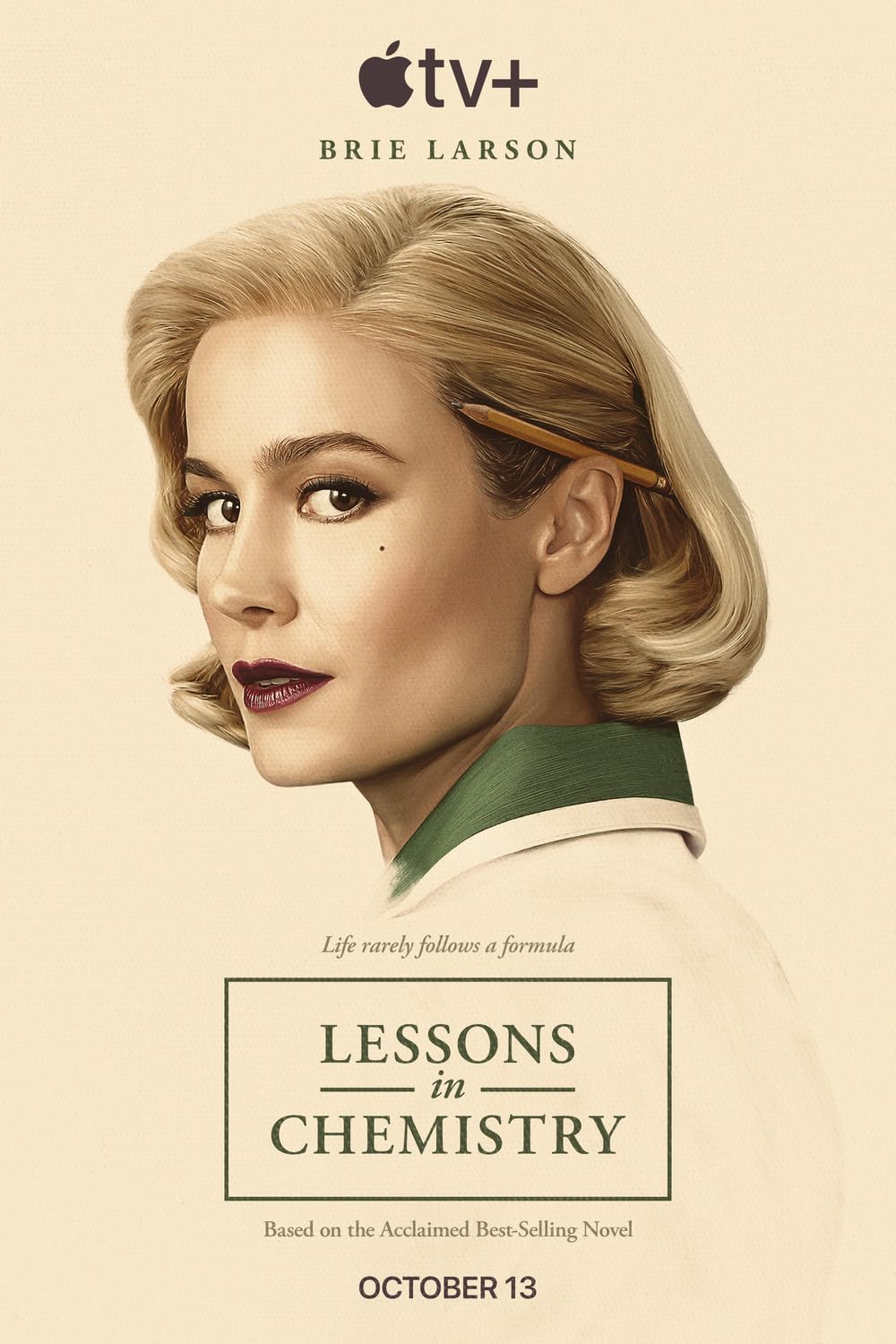
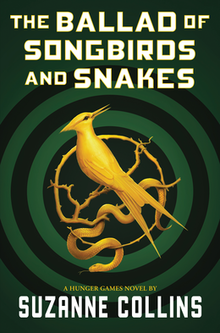
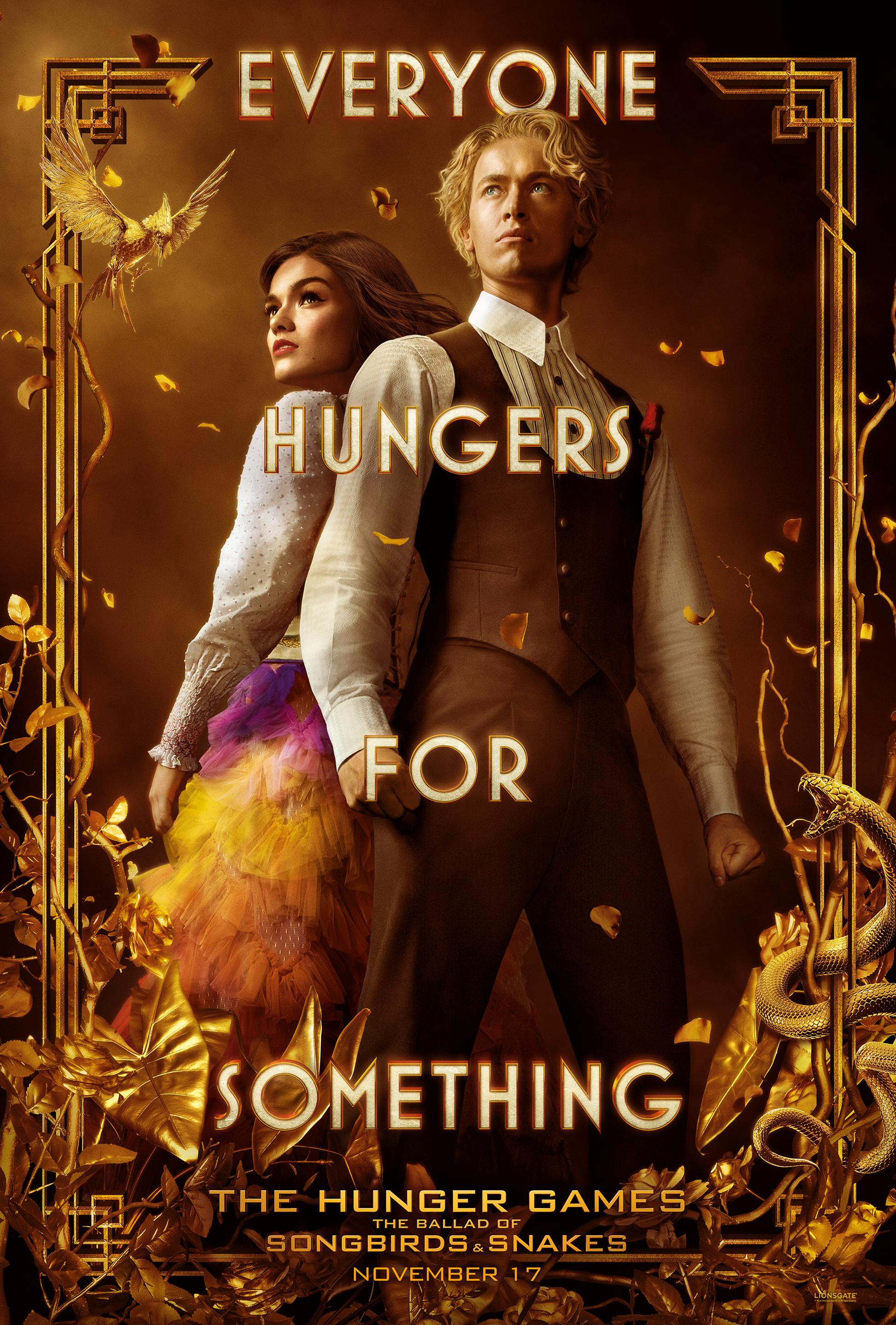
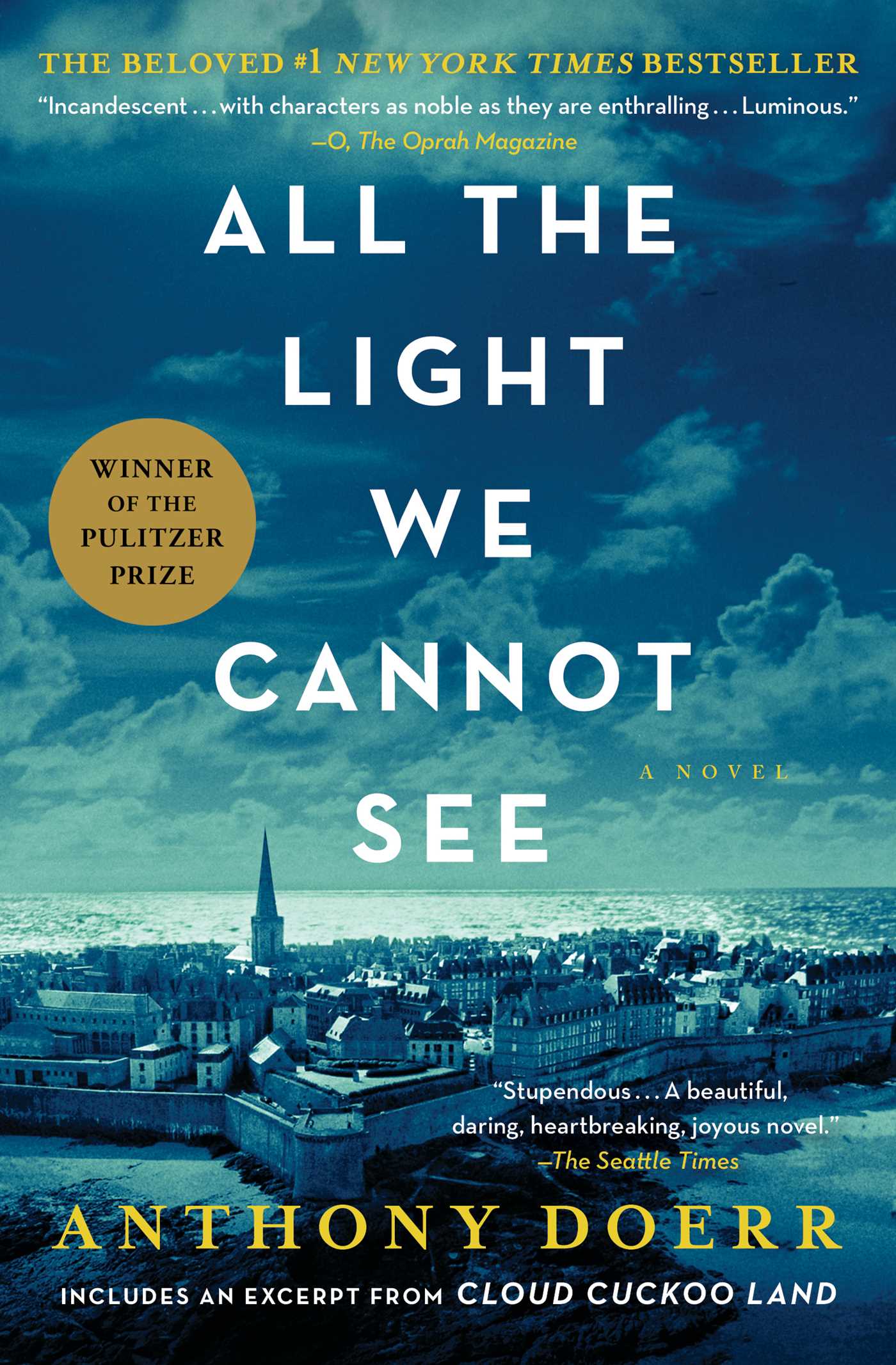
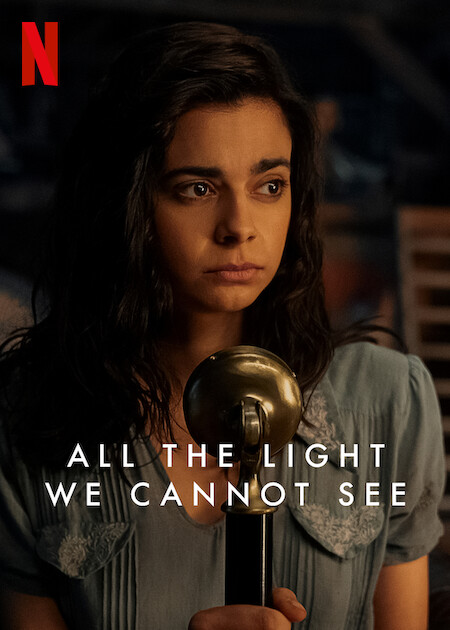
Although the first day of fall isn’t until September 23, streaming services and theaters are beginning to roll out their fall releases. This season you’ll find the best-selling, buzzworthy book Lessons in Chemistry, the continuation of the epic Hunger Games series, and Anthony Doerr’s All the Light We Cannot See hitting the silver screen. Whether you’re a member of “The Book Was Better” club or enjoy the film version, there is something for everyone. If you want to compare and contrast or just love a good spoiler, pick up the book to read before you start watching!
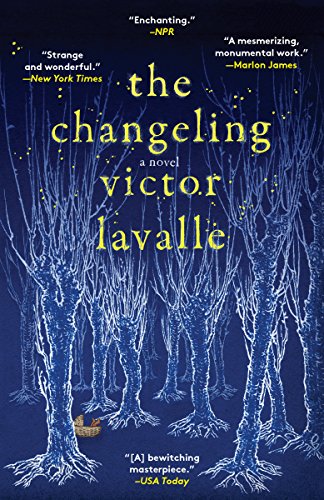
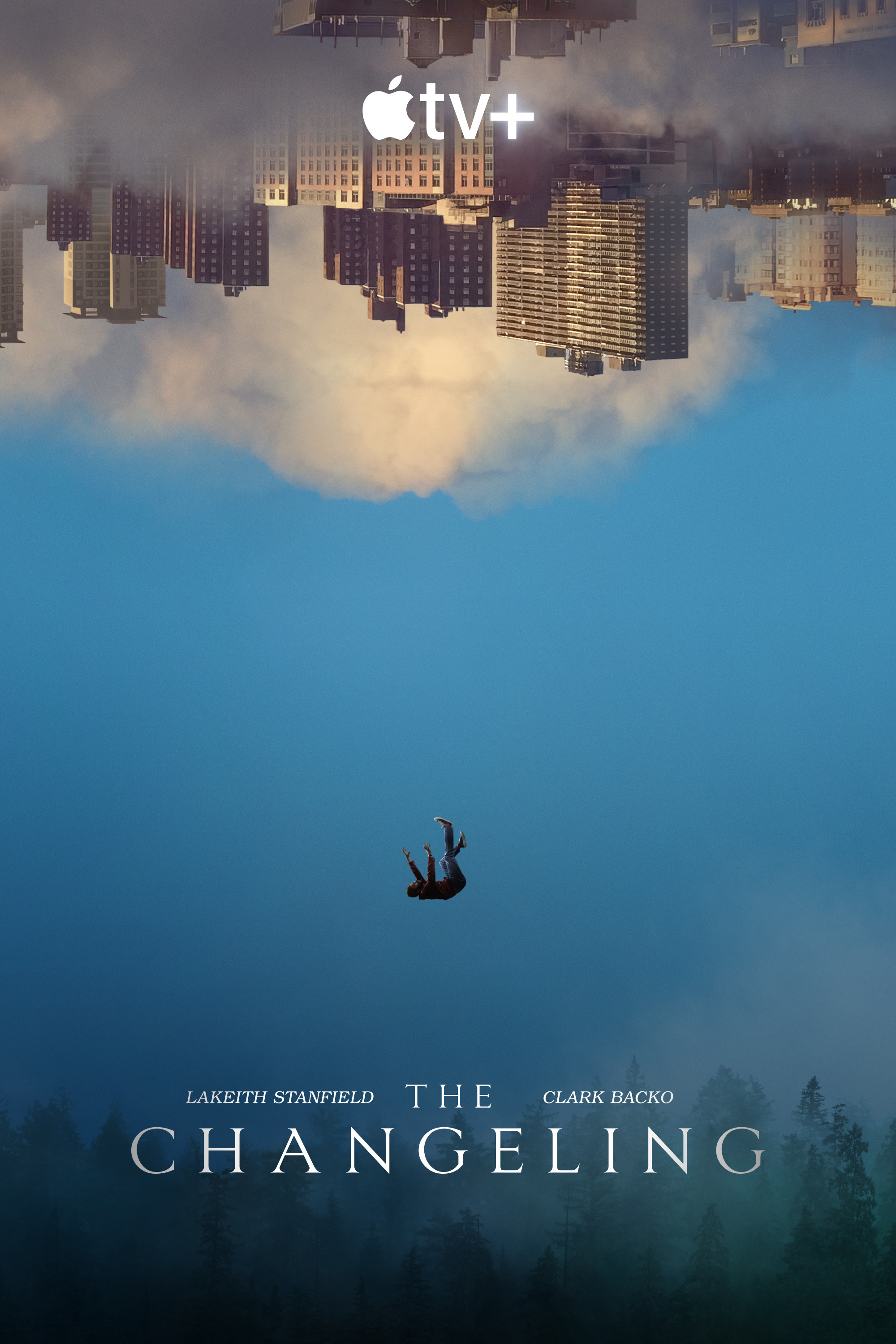
When Apollo Kagwa’s father disappeared, he left his son a box of books and strange recurring dreams. Now Apollo is a father himself–and as he and his wife, Emma, settle into their new lives as parents, exhaustion and anxiety start to take their toll. Apollo’s old dreams return and Emma begins acting odd. At first Emma seems to be exhibiting signs of postpartum depression. But before Apollo can do anything to help, Emma commits a horrific act and vanishes.
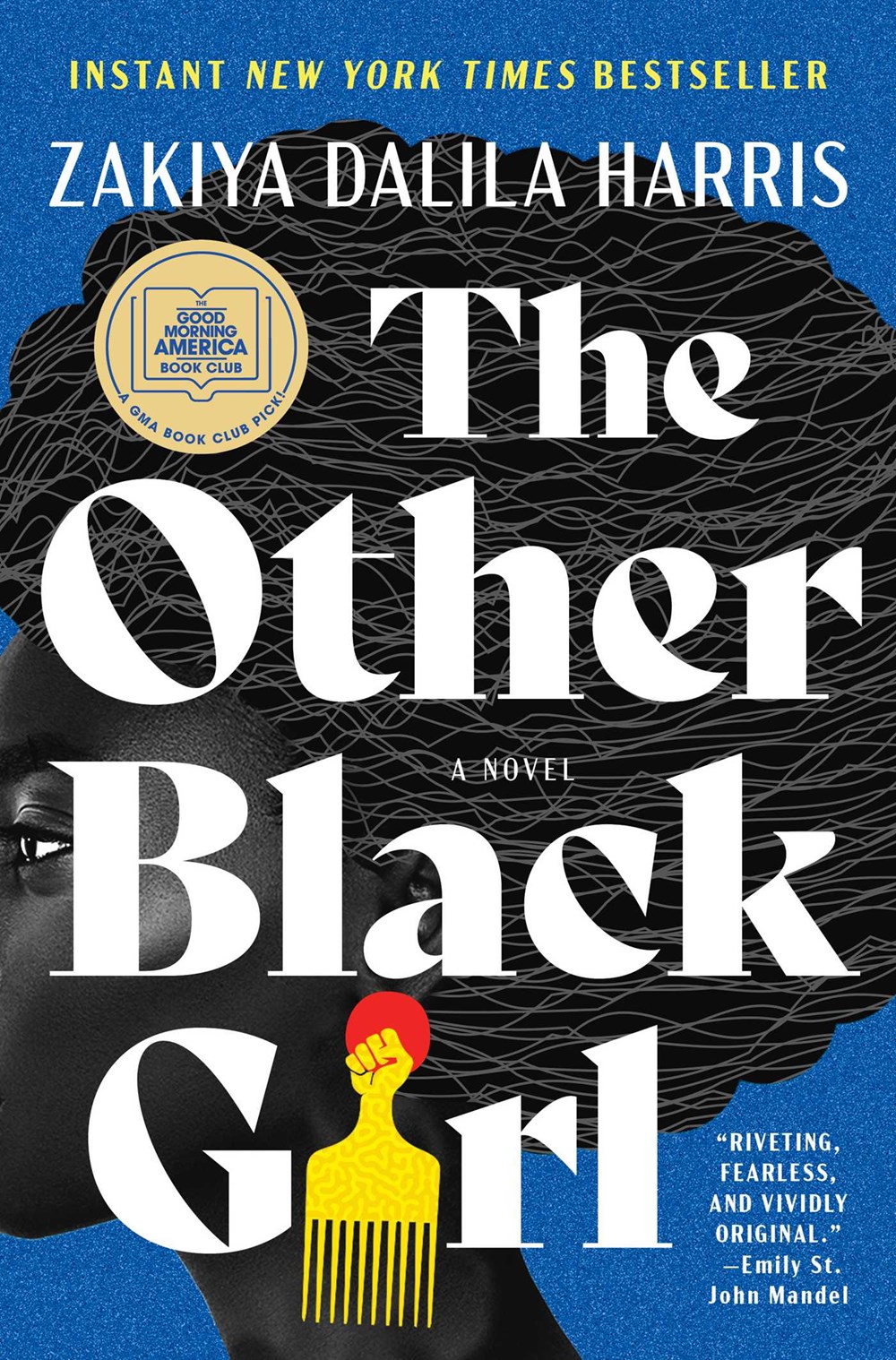
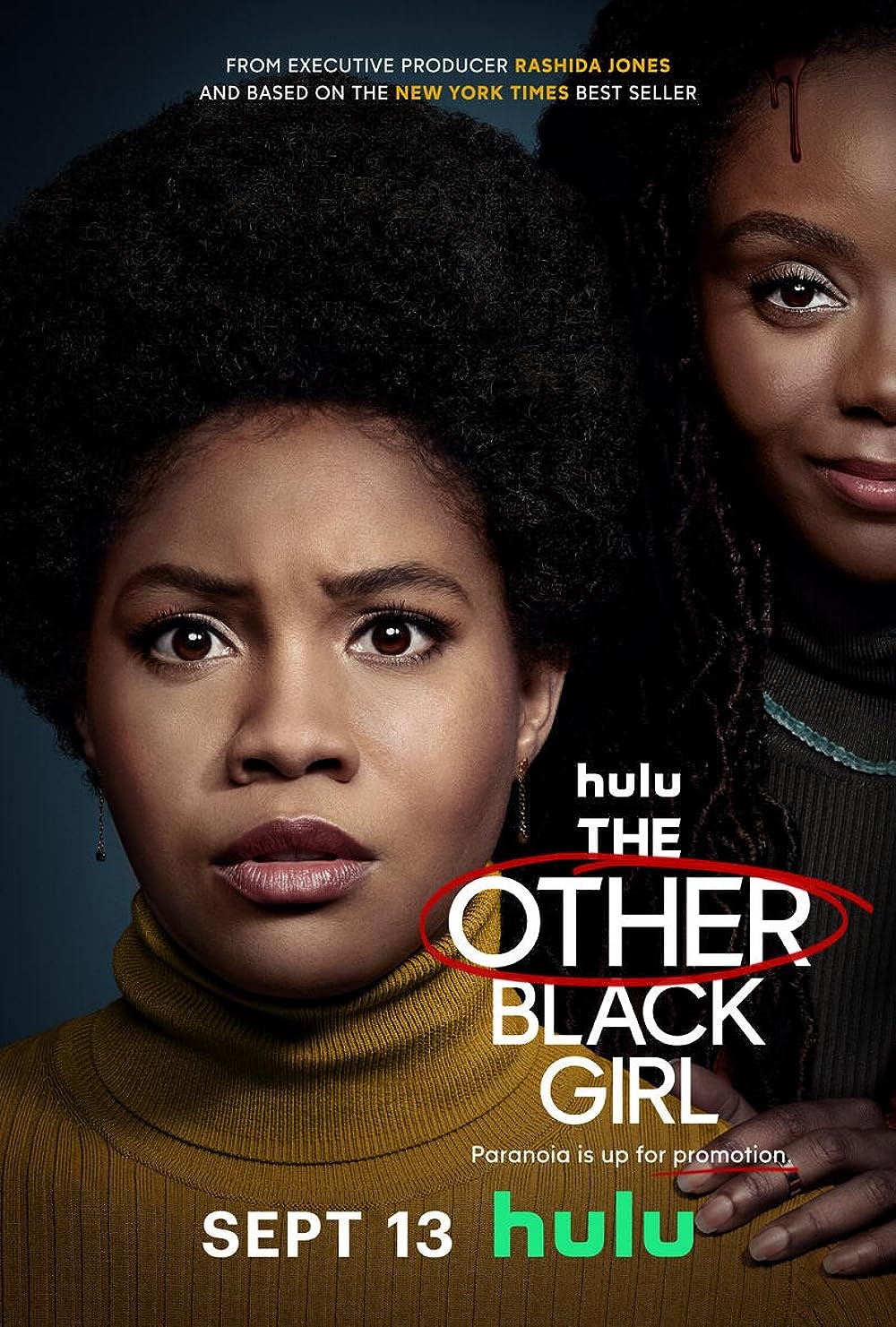
Twenty-six-year-old editorial assistant Nella Rogers is tired of being the only Black employee at Wagner Books. Fed up with the isolation and microaggressions, she’s thrilled when Harlem-born and bred Hazel starts working in the cubicle beside hers. They’ve only just started comparing natural hair care regimens, though, when a string of uncomfortable events elevates Hazel to Office Darling, and Nella is left in the dust.
Chemist Elizabeth Zott is not your average woman. In fact, Elizabeth Zott would be the first to point out that there is no such thing as an average woman. But it’s the early 1960s and her all-male team at Hastings Research Institute takes a very unscientific view of equality. Except for one: Calvin Evans; the lonely, brilliant, Nobel-prize nominated grudge-holder who falls in love with–of all things–her mind. True chemistry results.
In the 1920s, the richest people per capita in the world were members of the Osage Nation in Oklahoma. After oil was discovered beneath their land, the Osage rode in chauffeured automobiles, built mansions, and sent their children to study in Europe. Then, one by one, the Osage began to be killed off. As the death toll rose, the newly created FBI took up the case, and the young director, J. Edgar Hoover, turned to a former Texas Ranger named Tom White to try to unravel the mystery.
It is the morning of the reaping that will kick off the tenth annual Hunger Games. In the Capitol, eighteen-year-old Coriolanus Snow is preparing for his one shot at glory as a mentor in the Games. The once-mighty house of Snow has fallen on hard times, its fate hanging on the slender chance that Coriolanus will be able to outcharm, outwit, and outmaneuver his fellow students to mentor the winning tribute.
Marie-Laure lives with her father in Paris near the Museum of Natural History where he works as the master of its thousands of locks. When she is six, Marie-Laure goes blind and her father builds a perfect miniature of their neighborhood so she can memorize it by touch and navigate her way home. When she is twelve, the Nazis occupy Paris, and father and daughter flee to the walled citadel of Saint-Malo. With them they carry what might be the museum’s most valuable and dangerous jewel.
Amanda and Clay head out to a remote corner of Long Island expecting a vacation: a quiet reprieve from life in New York City, quality time with their teenage son and daughter, and a taste of the good life in the luxurious home they’ve rented for the week. But a late-night knock on the door breaks the spell. Ruth and G. H. are an older couple–it’s their house, and they’ve arrived in a panic. They bring the news that a sudden blackout has swept the city. But in this rural area–with the TV and internet now down, and no cell phone service–it’s hard to know what to believe.
It was an unlikely quest from the start. With a team composed of the sons of loggers, shipyard workers, and farmers, the University of Washington’s eight-oar crew team was never expected to defeat the elite teams of the East Coast and Great Britain, yet they did, going on to shock the world by defeating the German team rowing for Adolf Hitler.

















 Read it or Weep