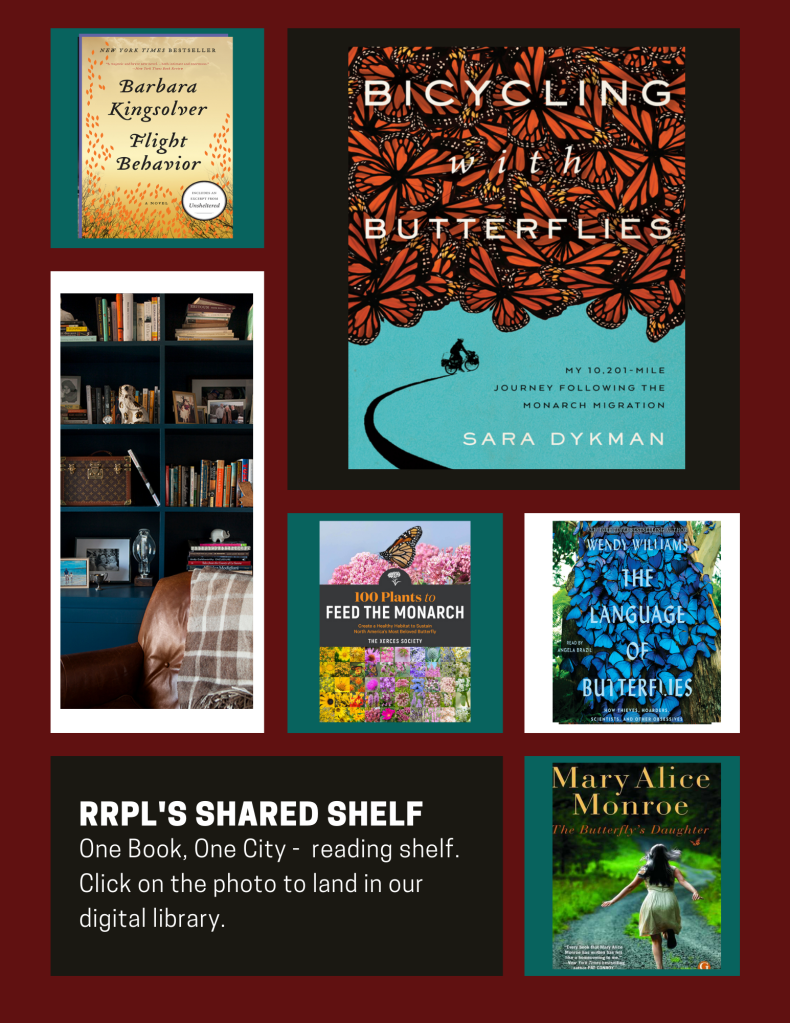
One Book One City : RRPL’s Shared Shelf
If you’ve ever lost someone close to you, perhaps you like to imagine that their spirit is visiting you when a butterfly crosses your path. I know I do. It turns out that there is a good reason for that.
According to the smart folks at Baylor University, since Ancient times, the winged form of a butterfly was a symbol for the human soul. You can see this symbolism in Ancient Egypt, the Ancient Greek civilization and in Native American cultures, among others. One example comes from the The Aztecs, who believed that happy dead, in the form of beautiful butterflies, would visit their relatives to assure them that all was well.
In Andalusian Spain, an heir was expected to throw wine over the ashes of the deceased as a toast to the butterfly that would escape with the soul.
Butterflies are also symbolic in Christian imagery. In depictions of the Garden of Eden, the soul of Adam is symbolized by a butterfly, or drawn with butterfly wings, and the Gnostics depicted the Angel of Death by showing a winged foot stepping on a butterfly.
Sara Dykman, in Bicycling with Butterflies, must have felt blessed indeed with all the “souls” she witnessed on her 10,000 journey following migrating Monarchs. Have you started reading yet?
I’m inspired to hang out with butterflies, and this weekend I plan to head to the Butterfly House at the Miller Nature Preserve, part of the Lorain County Metroparks. Visiting the Butterfly House is free and open to the public from mid-June through Labor Day. I can’t wait!
For more inspiration, plan to keep reading all about butterflies with us this month. Until next time, keep looking up! ~Carol
Last week I suggested a few sources for native plants. This week, I’m going to share some resources so you can learn more about native plants, which are the best for this area, and how to plant them – do they need sun? shade? clay soil or wet soil? What about planting across the seasons – having something that blooms in the Spring for early pollinators, and into late Fall for the butterflies still making their way? Here are books and websites that will help you cultivate a pollinator pathway!
Books:
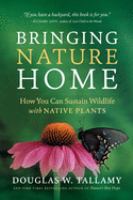
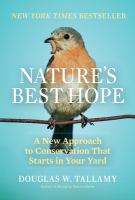
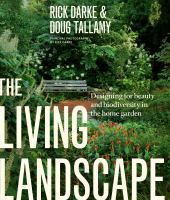
Bringing Nature Home: How You Can Sustain Wildlife with Native Plants
The Living Landscape: Designing for Beauty and Biodiversity in the Home Garden
Nature’s Best Hope: a New Approach to Conservation that Starts in Your Yard
Websites:
The Native Plant Society of Northeast Ohio
Native Plants for the Small Yard
If you need more information, please do not hesitate to contact us and we’ll be glad to point you in the right direction! Go forth and plant natives!
~Dori
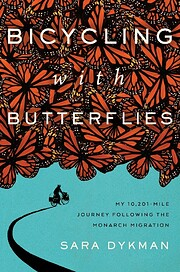
Here we are at the start of the second full week of our One Book, One City program and hopefully we’re all taking another look at all the interesting creatures right outside our doors. If you haven’t started the book, don’t worry! We’ll be enjoying this book and all the accompanying programs all the way through Monday, August 2, when Sara Dykman will be answering your questions (virtually) at 6:00pm -register here to reserve your space!
If you want to read a book inspired by Bicycling with Butterflies, check out the digital collection or call the library 440.333.7610 x5501 for suggestions!
And don’t forget to check out what’s happening on the Children’s Department blog, RRPL Kid’s Depot, where you’ll find even more fun things to try out this Summer!!
Rocky River, are you ready to read together? Us too! Let’s get into it and turn that page
Week Two
Chapters 8-15
1. If you were planning the bike route, where do you think you could find the right data for deciding which roads to take and locations good for stopping?
2. Have you heard of native seeds or native planting before? What do you think about this movement, and would you be willing to try it out in your own backyard? Do you know what plants are native to this area?
3. If you’re interested in learning more about monarch butterflies being suggested for inclusion on the Endangered Species Act, check out this great page created by Phytophagy Lab at Cornell University.
4. Who else went searching for the different ways you can participate with Monarch Watch?
Programs happening soon:
Family event
Tuesday, July 15
To go along with this summer’s One City, One Book, join us virtually for songs, stories and a craft about the beautiful monarch butterfly. An activity kit will be available to pick up prior to the program. A link of the program will be sent the day of the event.
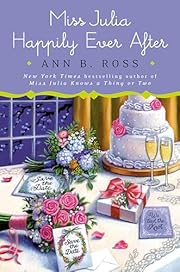
The final entry in the Miss Julia series is a delight. There are weddings galore happening in Abbotsville, North Carolina. Some are expected and others are a total surprise. Helen Stroud will probably marry a man who is really looking for a housekeeper/nurse. Etta Mae Wiggins will probably marry her longtime boyfriend. Christy Hargrove is dropping out of medical school to marry a surgeon. Miss Julia’s housekeeper Lillian is thinking of marrying a 98-year-old man for status and his big house which would become hers sooner rather than later. LuAnne Conover just wants to marry again and is searching for Mr. Right. In the midst of all the above drama, Abbotsville, has problems with a naked man terrorizing older women that are home alone. The sightings are frequent. The local sheriff isn’t terribly interested in capturing the man, so Julia Murdoch and the other women in town hatch their own plan.
Over the years, I have thoroughly enjoyed these books The characters flow from book to book, so I highly recommend reading them in order.
Miss Julia series –
1. Miss Julia Speaks Her Mind (1999)
2. Miss Julia Takes Over (2001)
3. Miss Julia Throws a Wedding (2002)
4. Miss Julia Hits the Road (2003)
5. Miss Julia Meets Her Match (2004)
6. Miss Julia’s School of Beauty (2005)
7. Miss Julia Stands Her Ground (2006)
8. Miss Julia Strikes Back (2007)
9. Miss Julia Paints the Town (2008)
10. Miss Julia Delivers the Goods (2009)
11. Miss Julia Renews Her Vows (2010)
12. Miss Julia Rocks the Cradle (2011)
13. Miss Julia to the Rescue (2012)
14. Miss Julia Stirs Up Trouble (2013)
15. Miss Julia’s Marvelous Makeover (2014)
16. Etta Mae’s Worst Bad-Luck Day (2014)
17. Miss Julia Lays Down the Law (2015)
18. Miss Julia Inherits a Mess (2016)
19. Miss Julia Weathers the Storm (2017)
20. Miss Julia Raises the Roof (2018)
21. Miss Julia Takes the Wheel (2019)
22. Miss Julia Knows a Thing or Two (2020)
23. Miss Julia Happily Ever After (2021)
~Emma
Biologist, outdoor educator, and author of Bicycling with Butterflies: My 10,201-Mile Journey Following the Monarch Migration, Sara Dykman, rode an impressive distance on her bicycle to follow the monarch butterfly migration. My first thought when hearing about this immense feat was- how in the world did she bike that far?! As someone who only bikes around my neighborhood, and occasionally a bike trail in the Cleveland Metroparks, I couldn’t fathom riding thousands of miles across the country on a bike. Naturally, being a librarian and all, I was inspired to take a look at how one might go about such a trip and tips for embarking on your own adventure cycling trip!
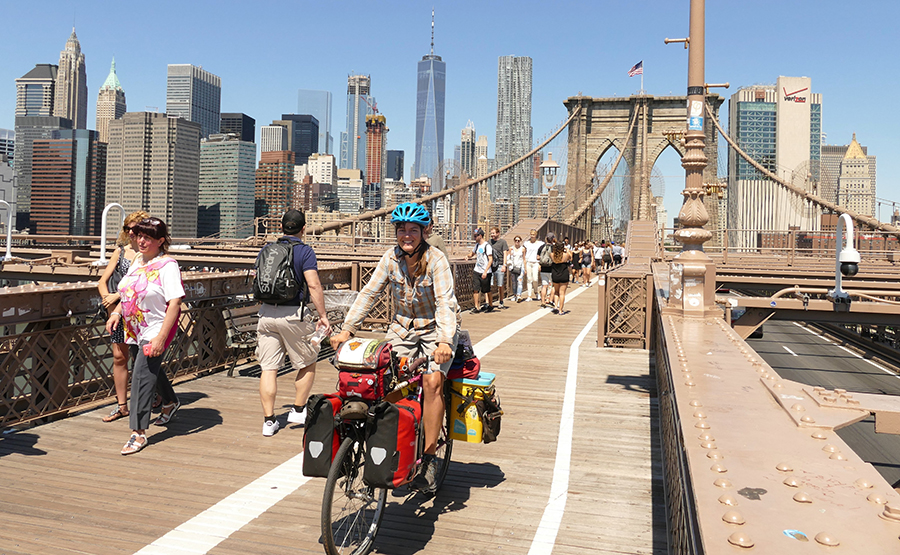
Dykman was not new to bike touring, as she shares in this article from Treehugger. She says, “I was actually on a year-long bike tour, traveling from Bolivia to the United States when I first had the idea to follow the monarch butterflies.” She also shares a bit about her bike in the article, describing it as, “… an old, rusty steel mountain bike frame from the ‘80s, the components were newish, cleanish, and ready to get me down the road. Most people were shocked at how unfancy my bike was, especially when it was saddled with my homemade kitty-litter-bucket panniers. It might not have been light or pretty, but my no-frills bike is a reliable machine.”
Dykman took extensive photos on her trip and you can check them out on her website here and see all the places she’s biked!
If you are feeling inspired to do your own adventure biking trip but aren’t sure where to start, you’ll want to work your way up to long distances. Whether you have an old mountain bike or a fancy new all-terrain bike, you’ll want to get your bike in tip-top shape before you venture out. Here is a list of tips from Adventurecycling.org on items to contemplate prior to setting out on your trip.
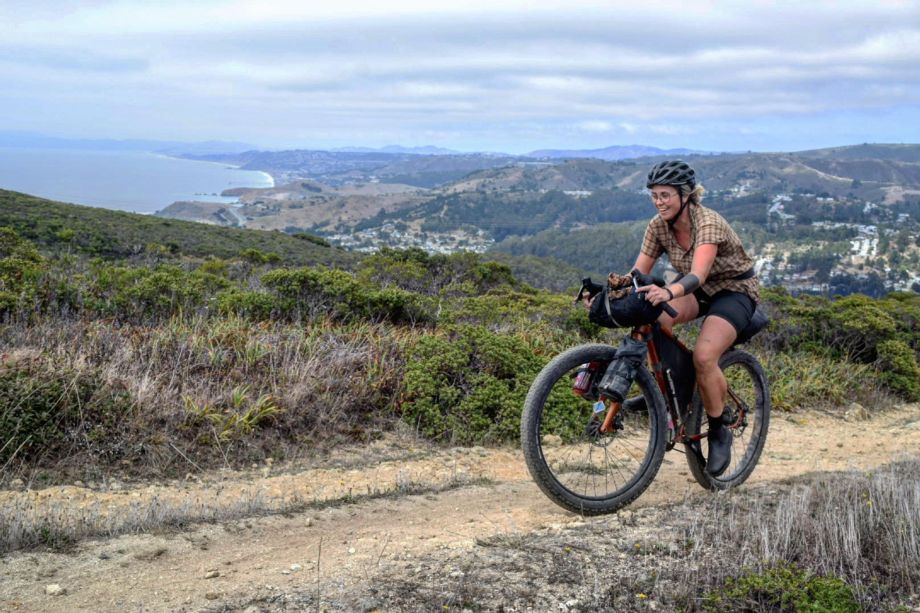
You can find travel tips for your first bike tour here from The Adventure Junkies. There are plenty of great blogs out there that you can check out with information on bikepacking, adventure cycling, and bike touring such as Cycling About and Bikepacking.
For more resources, we have plenty of great materials at the library, including a variety of digital cycling magazines you can access from the comfort of home.
Finally, we recently had Deltrece Daniels from Bike Cleveland offer a virtual program all about Adventure Cycling. Keep your eyes peeled on this blog for that recording in the coming weeks.
Have you ever taken a long distance biking trip? Are you planning one? We’d love to hear about your adventure cycling, so please share with us in the comments!
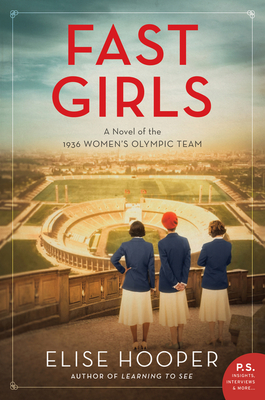
If you are all caught up on this week’s Buddy Read of Bicycling with Butterflies: My 10,201-Mile Journey Following the Monarch Migration by Sara Dykman and you’ve mulled over the discussion questions, and your thoughts are drifting to the upcoming Olympic games, then you might be interested in the book Fast Girls by Elise Hooper.
Fast Girls is a fictionalized account of the US Women’s Track team in the 1936 Olympics and the events that lead to Betty Robinson, Louise Stokes, Helen Stephens, and their teammates competing in the Nazi-sponsored games. While Jesse Owens was the public star of the games that same year, these trailblazing women were quietly carving out a place for themselves in history.
Betty Robinson:
The 1928 Olympics in Amsterdam marked the first time women were allowed to compete in track events. Seventeen year old Betty won the gold in the 100 m race, matching the world record time, and took the silver in the women’s 4×100 relay. Robinson missed the 1932 Los Angeles Olympic Games following a near death accident. She fought her way back to competition strength to earn a place on the 1936 team.
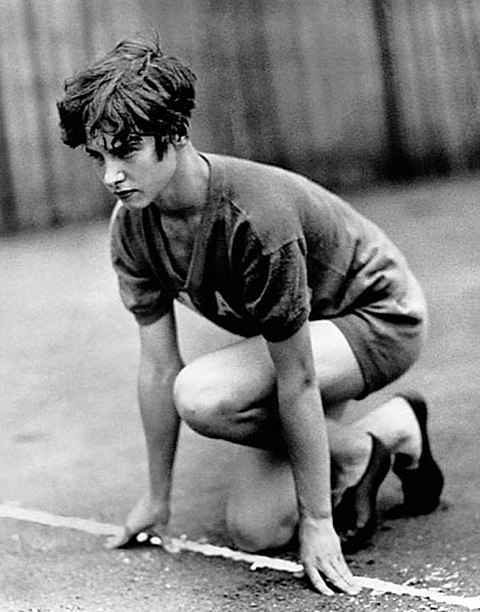
Louise Stokes:
Louise Stokes and Tiyde Pickett were the first Black women to be selected to compete in the Olympic after qualifying in the 1932 Olympic trials. Both women accompanied the US team to Los Angeles, but both were left off of the relay team that year. Stokes and Pickett were both among the eighteen Black athletes at the 1936 games. Stokes was once again left off the relay roster, failing to compete for a second time. She was welcomed home to Malden, Massachusetts with a hero’s welcome and she went on to found the Colored Women’s Bowling League.
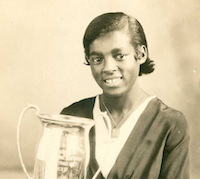
Helen Stephens:
Helen, the “Fulton Flash” Stephens was a sprinter who never lost a race in her career. At 18 she competed against and beat Stanisława Walasiewicz (aka Stella Walsh-Clevelanders may recognize her name!), the reigning champion and world record holder in the 100 m race. While in Berlin, she had an unpleasant encounter with Adolph Hitler. Shortly after the Olympics she retired from running, but went on to play professional baseball and softball and eventually became the first woman to own and manage a semi-professional basketball team.
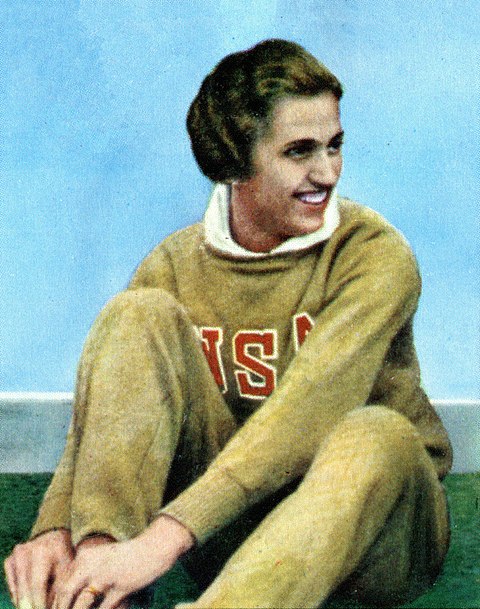
All of these amazing women overcame different hardships in order to pursue their dreams. While the world remembers the name Jesse Owens, these women also raced their way in to Olympic history in 1936. If you like captivating historical fiction, courageous women, and a good underdog story, you’ll probably enjoy Fast Girls. Don’t be surprised if you find yourself putting down the story to further research the events in the book. Their stories are heartbreaking and inspiring and deserve to be known.
~Megan
Our 2021 One Book, One City reads are all about Monarch butterflies, tracing their travels, and learning about the importance of their journey. Monarchs are amazingly beautiful, but are just one of many pollinators that are threatened by decreasing habitat and climate change. If you remember one thing, remember that pollinators support our food crops – and finding ways to decrease habitat destruction or build new habitat will provide sustenance to future generations.
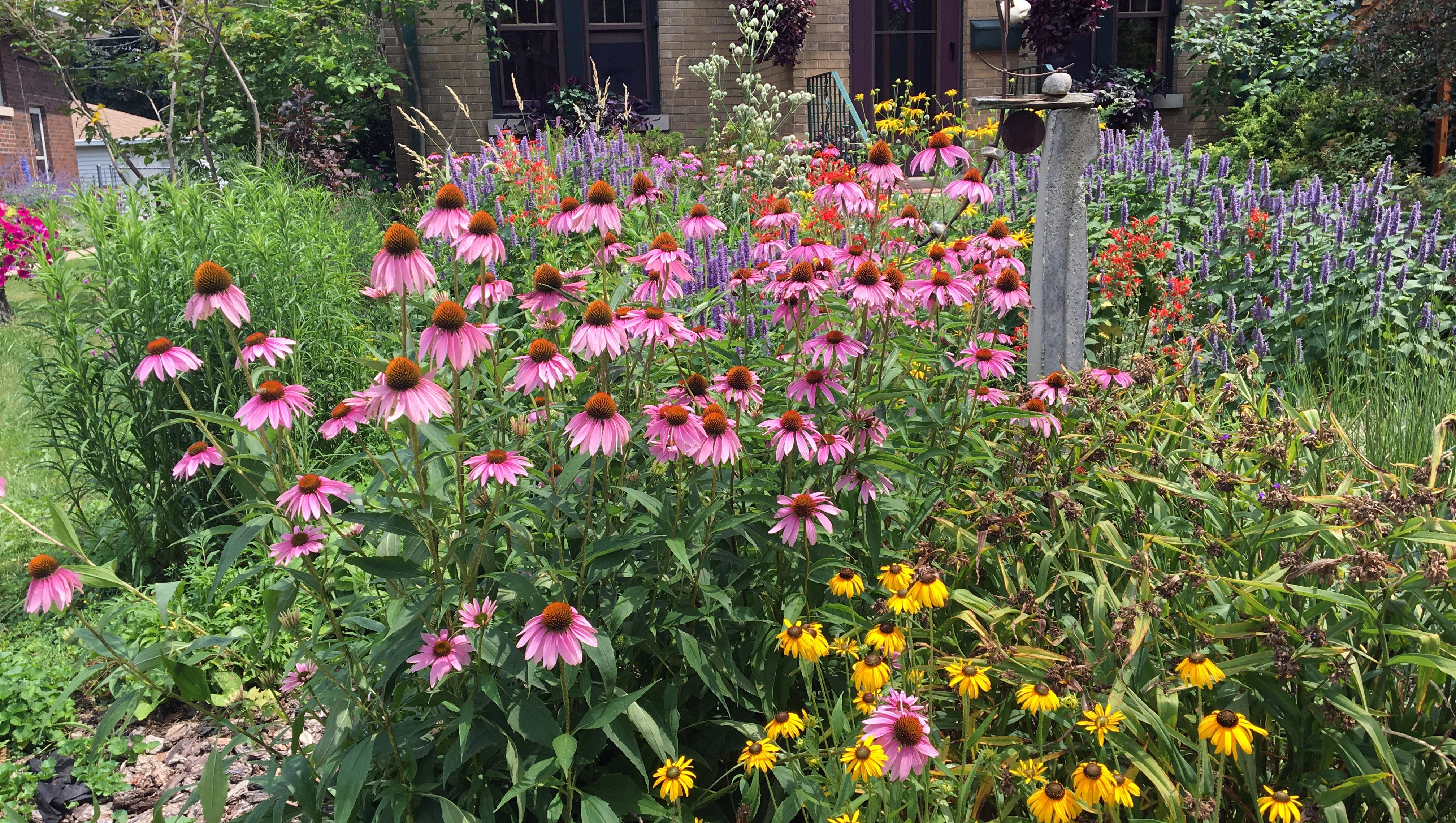
Native plants and their varying cultivars have evolved together with pollinators, and so have ideal flower sizes and shapes to support the many pollinators we need. And because they’re from Ohio, they’re easy to grow – no picky plants in the bunch! Here at Rocky River Public Library, with the help of the Beach Cliff Garden Club and library volunteers, we put in a pollinator garden that is officially certified by Monarch Watch. We’ve called our garden “Monarch Trails & Tales” and it includes milkweed for Monarchs, their only food, as well as numerous native perennials. Take a look at it the next time to visit and see what kinds of pollinators you spot – there’s butterflies and bees of course, but also small flies that are essential to pollination!
Lots of local nurseries sell native plants, and the Cuyahoga Soil & Water Conservation District sell native plants in groups of 50 for a reasonable cost. If we all sacrifice a little lawn or even plant containers of native plants, we can grow and nurture our pollinator population, creating pollinator pathways and beautiful gardens at the same time.
As Douglas Tallamy, professor in the Department of Entomology and Wildlife Ecology at the University of Delaware and author of numerous books about the intersection of plants, animals and humans, writes “…we humans have disrupted natural habitats in so many ways and in so many places that the future of our nation’s biodiversity is dim unless we start to share the places in which we live –our cities and, to an even greater extent, our suburbs — with the plants and animals that evolved there”
~ Dori
We are all reading Bicycling with Butterflies: My 10,201-Mile Journey Following the Monarch Migration by Sara Dykman here at Rocky River Public Library this month. It really is a fascinating read and an informative, adventure-filled ride. You’ll want to place your hold here.

To get you in the spirit to follow Sara’s journey, here are a few interesting monarch butterfly facts from Save Our Monarchs, a grassroots, non-profit organization that is dedicated to saving the embattled monarch butterflies:
-Like many birds, monarch butterflies migrate south for the winter. They’re not able to survive winters in the US.
-The monarch butterfly is an incredible creature that starts as an egg and goes through three amazing transformations during its life. The egg hatches into a caterpillar, which forms a pupa (chrysalis), which is then transformed into the adult butterfly.
-Monarch butterflies taste and smell using their antennae and legs, which are covered with sensory cells called chemoreceptors. These chemoreceptors also help the Monarchs find Milkweed plants on which to lay their eggs.
Learn more at www.saveourmonarchs.org
Feeling inspired by these facts? Here’s a Monarch butterfly themed word search you can print and complete, just for fun:
Happy Reading! Until next time, Carol
Monarch butterflies are a beautiful, amazing, and unique type of insect. They are the only butterfly to migrate thousands of miles twice a year like birds do, going south in the winter and north in the spring. Find more information from the U. S. Forest Service on monarch butterflies here.
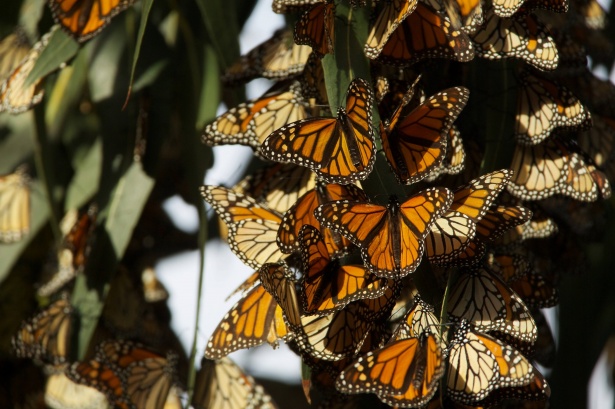
This spring and summer, you can help keep track of the monarch butterflies in our very own Rocky River!
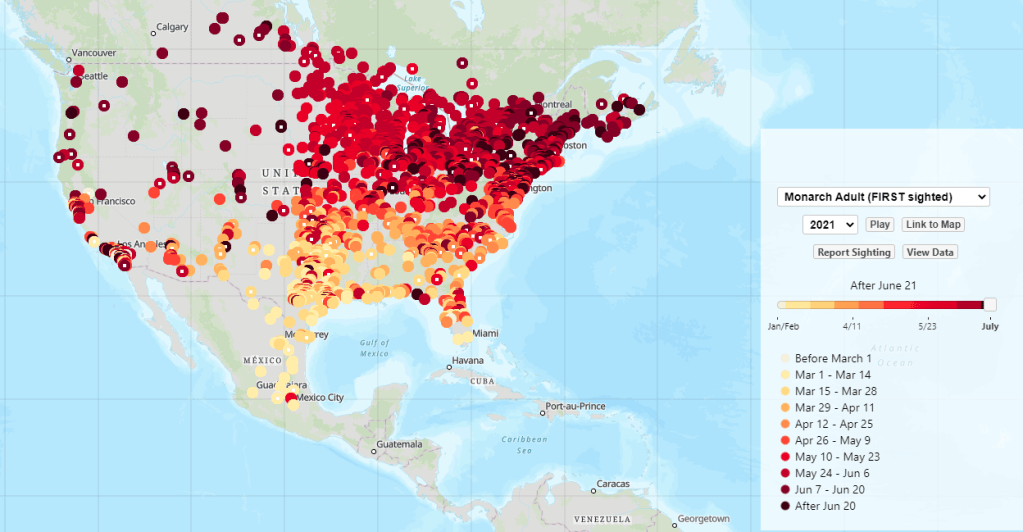
An organization called Journey North, based out of the University of Wisconsin-Madison Arboretum, keeps track of monarch butterfly migrations in real time across the country. You can report monarch sightings here, helping them keep track of these beautiful insects on their long migration.
On their website, you can find maps of the first monarch butterflies seen in a given area, the first appearance of monarch eggs and larva, and the first sighting of milkweed plants. Below is a map of the first adult monarch butterfly sightings in 2021 – click on the image below to be taken to Journey North’s interactive map, where you can click ‘Play’ to see the progression of the migration through this past spring:
Keep checking back throughout the month of July for more blog posts that will tie in to our summer 2021 One Book, One City read, Bicycling with Butterflies by Sara Dykman.
 Read it or Weep