Dori’s Top Ten of 2024

Yikes! Where did 2024 go? I know that I did not read as much as I usually do – my attention span was suffering a bit this year – but I still read quite a few great books. I’d love to hear what you read, too!
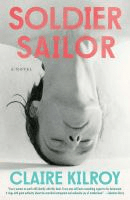
Soldier Sailor by Claire Kilroy: A mother writes to her baby about the harrowing days of early motherhood – deeply moving, fierce, and raw.

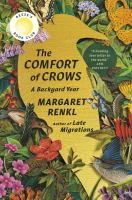
The Comfort of Crows by Margaret Renkl: A joyful book about backyard wildlife, Renkl writes 52 brief essays inspired by the activity in her yard. There are also lovely collages by her brother.

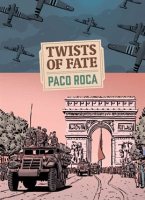
Twists of Fate by Paco Roca: I read his newest book, Return to Eden, and then went back and explored his older works. This graphic novel tells the story of a former Spanish Civil War fighter who is forced to join a “The Nine”, a unit that fought all over in World War II – it’s a gripping tale that I wasn’t familiar with.

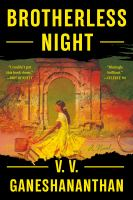
Brotherless Night by V.V. Ganeshananthan: Set during the early years of a three decade Civil War in Sri Lanka, Sashi tells the story through the stories of her brothers and how each was affected by the war. Luminous, emotional, epic.

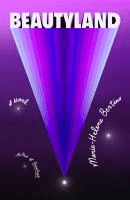
Beautyland by Marie-Helene Bertino: Adina is an alien, sent from another planet to observe life on Earth, born as a human girl in Philadelphia, who faxes her observations to her superiors. Sounds weird, but it’s deeply moving, funny, and delightful – really a coming of age story about belonging and what it means to be human.

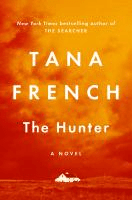
The Hunter by Tana French: A sequel to The Searcher, we delve deeper into the village of Ardnakelty and the history of Trey’s family. Love a well-written, dark mystery.

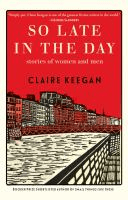
So Late in the Day by Claire Keegan: This is a collection of stories by the amazing Irish writer – just read it – she’s so good.

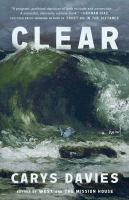
Clear by Carys Davies: This started out as standard historical fiction and turned into something completely different. Set in 19th century Scotland during the Clearance, when farmers are being forced off their lands, it follows an impoverished minister to a remote island, charged with telling it’s lone inhabitant that he has to leave. Language, love, loneliness – ah this is a beauty.

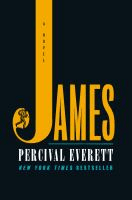
James by Percival Everett: Lots of hype but well-worth it. Totally surprising and turns the story on it’s head – read this one too.

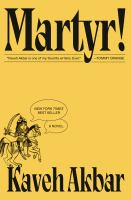
Martyr! by Kaveh Akbar: A debut novel by a poet about a young man from Iran, raised in the U.S. by his father, suffering from ennui and sadness, and his search for meaning through martyrdom. It’s really hard to explain the plot without giving it away, the writing is hypnotic and humorous – I loved this one.

~ Dori
My Year of Book Abundance – Top 10 of ’23

After a couple of years of feeling distracted and disengaged from reading, this year delivered a bounty of titles that monopolized my imagination and stretched some brain cells in the process. I’m sad to only get to share 10 (so I added a few more – don’t tell). Also, if you notice an Irish theme, it’s been that kind of year.

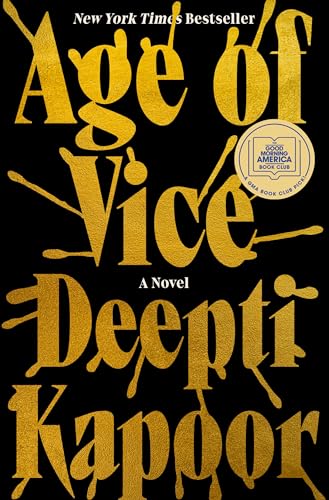
Age of Vice by Deepti Kapoor: This is the first of a trilogy about history and power and greed in India. It’s an amazingly thrilling ride.

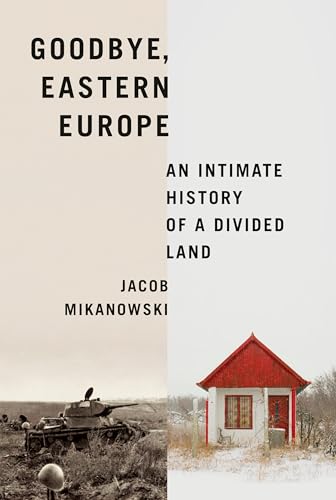
Goodbye Eastern Europe: An Intimate History of a Divided Land by Jacob Mikanowski: I loved the way it was written through themes, like myth and religion, peoples and cultures, and politics.

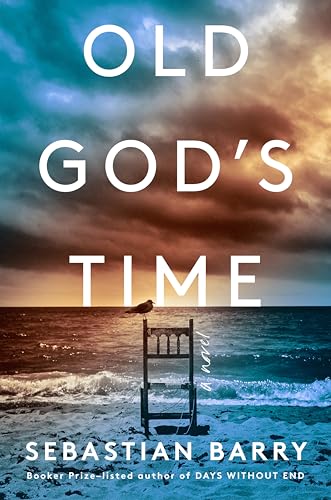
Old God’s Time by Sebastian Barry: A devastating portrait of the effect of trauma through generations set in Ireland. Crazy beautiful writing.

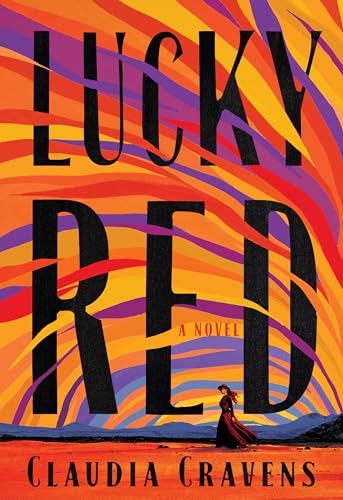
Lucky Red by Claudia Cravens: An old-fashioned western that’s not so old-fashioned. A scrappy young girl finds work in a brothel and finds friendship and romance in the process. The Wild West through a new lens.

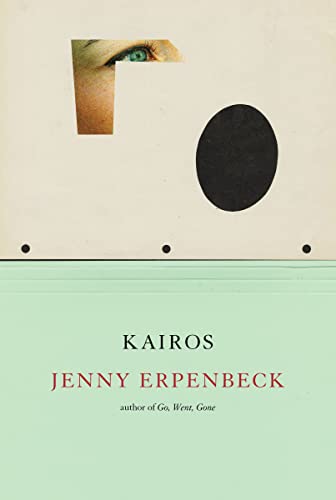
Kairos by Jenny Erpenbeck: Erpenbeck’s a contemporary German author – this novel is set in East Germany right before the fall of the Berlin Wall and centers on the relationship between a young woman and an older man – the disintegration of their relationship mirrors the ruin of East Germany. So good.

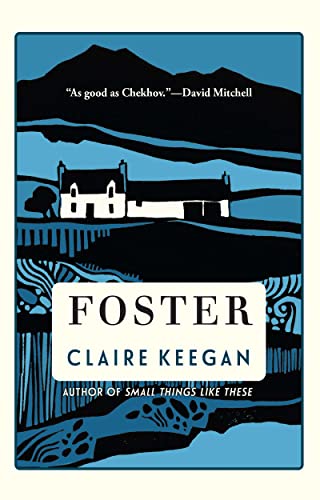
Foster by Claire Keegan: a moving novella that captures a young girl’s summer spent as a foster at her aunt and uncle’s. Coming from a poor Irish family with siblings galore, it was a special time where she was doted on and made to feel special.

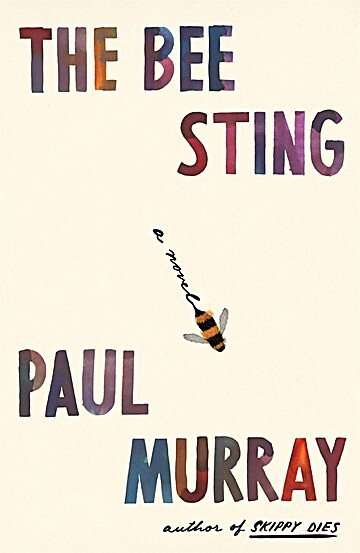
The Bee Sting by Paul Murray: This was my favorite of all I think. Another Irish author, Murray dissects the fall of a family through the voices of all the members – we get to know their histories, motivations, and desires. Each voice is unique and the writing is incredible. It’s long, but it’s worth it.

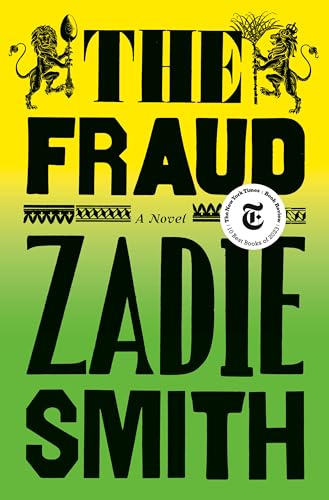
The Fraud by Zadie Smith: Smith’s first work of historical fiction tells the story of a trial in 19th Century Britain. Told through the eyes of a housekeeper and cousin of a famous writer, we also travel to the sugar plantations of Jamaica and learn about the lives of the people living as slaves there. It’s worth it for that alone.

North Woods by Daniel Mason: This one is about a house in New England, as told by various residents over the years. There’s an apple farm, a catamount, a seer, and an artist, among others.

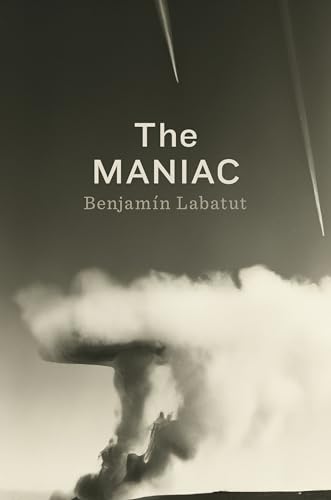
The Maniac by Benjamin Labatut: A novel about the life of a Hungarian scientist, a genius who worked on the atomic bomb and computers, and whose insight led to AI. Told from the perspectives of his friends, wives, and co-workers, it’s a frightening look at the responsibilities of science.

Land of Milk and Honey by C Pam Zhang: I listened to this audiobook and it was weird, and sensual, and made me slightly more hopeful for life after climate crises.

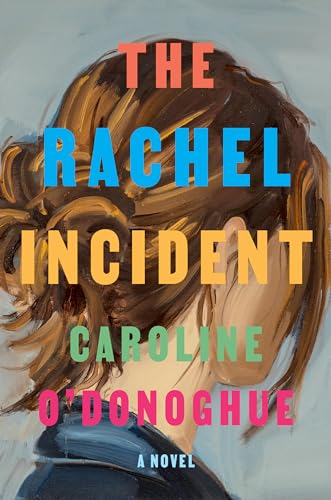
The Rachel Incident by Caroline O’Donoghue: Yes, another Irish title, this one a little less literary, but no less moving. It really captured early 20s friendship and it made me laugh out loud!

Bonus with no image: Vera Wong’s Unsolicited Advice for Murderers by Jesse Q. Suntanto: I listened to this one – and it was funny and clever, and I enjoyed it thoroughly.

~ Dori
Top Reads of 2022

We were supposed to choose our top ten, but some I read were in a series, so I grouped them together – cheating? nah, just a way to promote more books! Changes from previous years – I read a lot more nonfiction that I usually do – and not as much literary fiction, though there were a lot of enticing releases. Here’s the list, in no particular order.

Nonfiction:

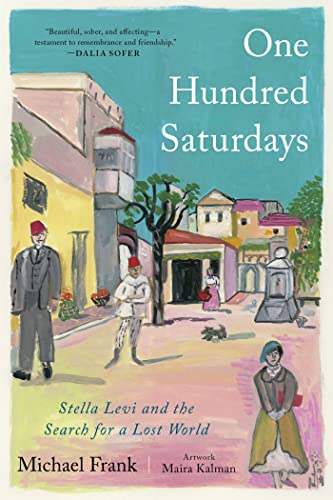
One Hundred Saturdays: Stella Levi and the Search for a Lost World by Michael Frank

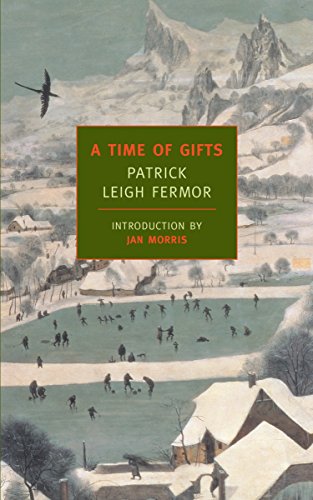
Between the Woods and the Water and A Time of Gifts by Patrick Leigh Fermor

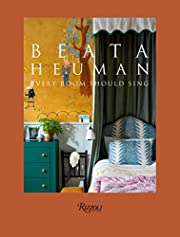
Beata Heuman: Every Room Should Sing by Beata Heuman

The Man Who Could Move Clouds by Ingrid Rojas Contreras

Fantasy/SciFi:

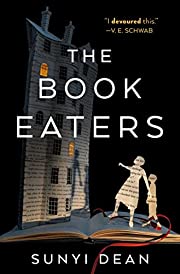
The Book Eaters by Sunyi Dean

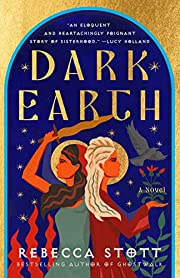
Dark Earth by Rebecca Stott

Graphic Novel:

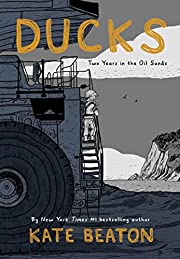
Ducks: Two Years in the Oil Sands by Kate Beaton

Mystery:

Missing Presumed and Persons Unknown by Susie Steiner

The Man Who Died Twice and The Bullet that Missed by Richard Osman

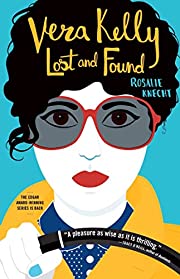
Vera Kelly Lost and Found by Rosalie Knecht

Fiction:

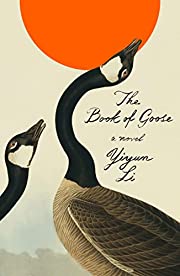
The Book of Goose by Yiyun Lee

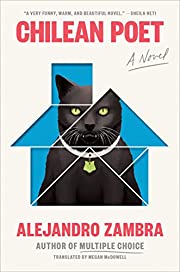
Chilean Poet by Alejandro Zambra

~ Dori
Dori’s Top Books of ’21

I’ve always loved to read so I can travel somewhere else, but thank goodness for reading and books in these last couple of years. They were a means to escape the stresses of the daily pandemic, to think about something different for a bit. This doesn’t mean the books I enjoyed were not challenging for the most part, but they let my brain shift to another time, another character, another place. And at the same time, they encouraged my engagement with essential issues: gender, autocracy, art, racism, antisemitism, history, language, belonging, love.

Some of these were published this year, some fiction, a couple of non-fiction, some I found on my own, others recommended by readers that I know. There are many more to get to and the pile next to my bed is still unwieldy, but I was held steady and engaged with the following titles:

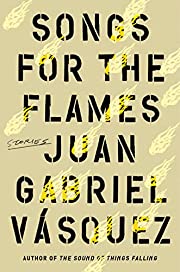
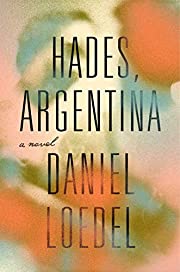
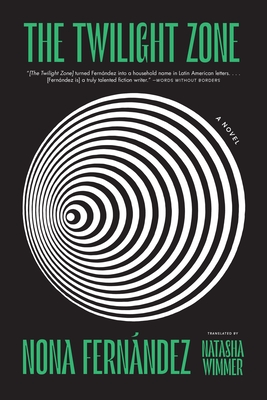
The Twilight Zone by Nona Fernandez, Hades, Argentina by Daniel Loedel and Songs for the Flames: Stories by Juan Gabriel Vasquez are all novels set in South America. I’ve always been interested in South American countries, their histories and political trends, and these titles all tell of that violent history, blurring the lines between fiction and nonfiction, to try to capture the otherworldly feelings of war and terrorism and how everyday people tried to understand and respond.

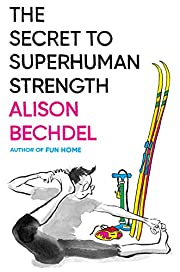
In. by Will McPhail, And Now I Spill the Family Secrets by Margaret Kimball, and The Secret to Superhuman Strength by Alison Bechdel are graphic novels that cover a range of topics, from loneliness and the need for connection. to family dysfunction, to the emergence of fitness culture in the U.S. Funny, informative, moving, weird – mixed with great art – what else do you need?

A Ghost in the Throat by Doireann Ni Ghriofa, Not a Novel by Jenny Erpenbeck and Letters to Camondo by Edmund de Waal are memoirs/biographies, stories of self with a lot of history mixed in. I loved A Ghost it the Throat, written so beautifully by an Irish poet, a book that dives into the lives of women, current and past, through an exploration into a famous Irish poem. Not a Novel is a series of essays by novelist Erpenbeck about her life growing up in East Germany and the lasting effects on her life. Letters to Camondo is told through a series of letters about a Jewish-French art collector who tried to assimilate into French culture but whose prodigy were destroyed by war and French collaboration. De Waal’s Hare with the Amber Eyes is great, too.

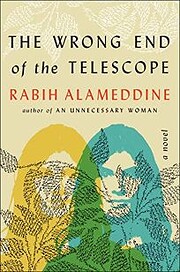
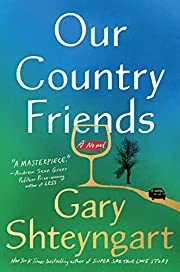
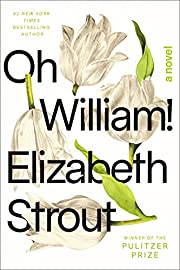
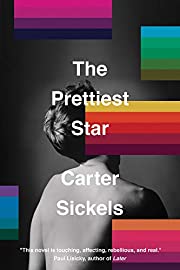
The rest of my favorites are novels that have struck me in some way: through writing, story, humor, insight. These include Matrix by Lauren Groff, about a 12th century nun who creates her own feminist idyll and Our Country Friends by Gary Shteyngart, who writes of a group of friends forced together during the pandemic, modelled on Anton Chekhov’s plays. Then there was The Wrong End of the Telescope, by Rabih Alameddine, with moods ranging from funny to devastating, about a transgender doctor who left Lebanon to live her life, and has now returned to the Meditteranean to help refugees. Oh, William! is Strout‘s latest about Lucy Barton and is told as if Lucy is spilling it all to the reader. It’s sparse, but playful, informed by Lucy’s traumatic past. Carter SickelsThe Prettiest Star, won the 2021 Ohioana Book Award in Fiction; it’s the story of a young man who left Ohio to be able to live his true life, who returns home to his family, dying of AIDS. Exploring hatred, prejudice, ignorance and love, it’s a gem. Snowflake by debut Irish author Louise Nealon, is compared to Sally Rooney’s books, but I found it to be less angsty and more interesting. Nealon’s protagonist is from poor stock, but is smart and so is accepted into university. As she meets people more affluent than her, she learns that they might not be as happy as she imagined.

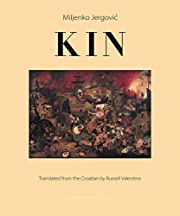
I’ll finish with two last books. One, I’ve started, but haven’t finished: Kin by Miljenko Jergović, a Croation author. At 800 or so pages, it’s going to take me through this Winter, but so far it’s the kind of book I love. Set in Eastern Europe, it’s an epic about generations of family living through history that changed everything around them. And the last is the most recent in a science fiction series, The Wayfarers by Becky Adams. To me, her books are a perfect blend of envisioning the future, with a firm grip on humanity and a dose of humor thrown in.

I hope you find something to carry you through this time in the books that I’ve loved this year. If you have any favorites to recommend, feel free to comment and share!

~ Dori
Prize Winners and End of Year Lists

I don’t know about you, but I thoroughly enjoy the end of year book prizes and ‘best of’ book lists – it means so many more books on my “To Be Read” list!

Here are few lists for you to explore and find new titles to add to your reading lists!

The Booker Prizes

National Book Award

Washington Post Best Books Top 10 of 2021

Publisher’s Weekly Best Books of 2021

Kirkus Best Fiction of 2021

Bookpage Best of 2021

There are more to come and I’ll be sure to share them with you. Staff at RRPL will also be sharing their Top 10 of 2021 in the next few weeks.

Happy Thanksgiving and Happy Reading!

~ Dori
Introducing Sara Dykman!

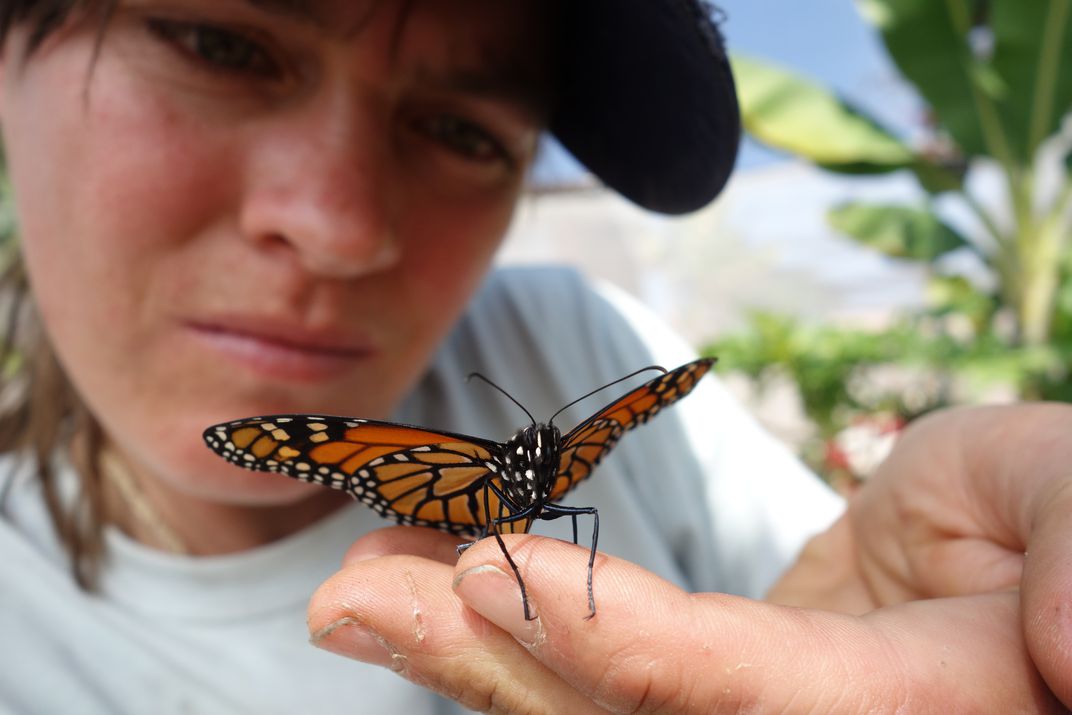
We are so very excited to have Sara Dykman come to speak with us on Monday, August 2. By now, you’ve read all about Sara’s book Bicycling with Butterflies, and her trip on Butterbike, where she travelled with the monarchs on their journeys North and South, visiting schools and nature centers on her quest to educate children and adults about the plights of these orange and black beauties.

But did you know that this is Sara’s fourth adventure journey? Sara belongs to a group called Beyond A Book, a group that describe themselves, as “…an adventure-linked education project that connects real-time adventures to classrooms creating opportunities for real-life learning inspires students to push their limits and explore the planet.”

I’m looking forward to asking Sara about how she got started on these adventures, what inspired her as a child to seek out opportunities to not only push herself physically, but help the planet at the same time? I’d also like to know more about her art (see the watercolor above). What a talented person!

I’ll leave you with this recommendation for the book from naturalist Jane Goodall. She describes the book as, “An extraordinary story in which Dykman seamlessly weaves together science, a real love of nature and the adventure and hazards of biking with butterflies from Mexico to Canada and back.”

Can’t wait to see you on August 2!

~Dori
Visiting the Monarchs

I saw my first Monarch yesterday, floating over my flower beds, landing on my milkweed, maybe (fingers crossed) laying an egg that will start the cycle of the Monarch all over again, from egg, to chrysalis, to butterfly, to Mexico!

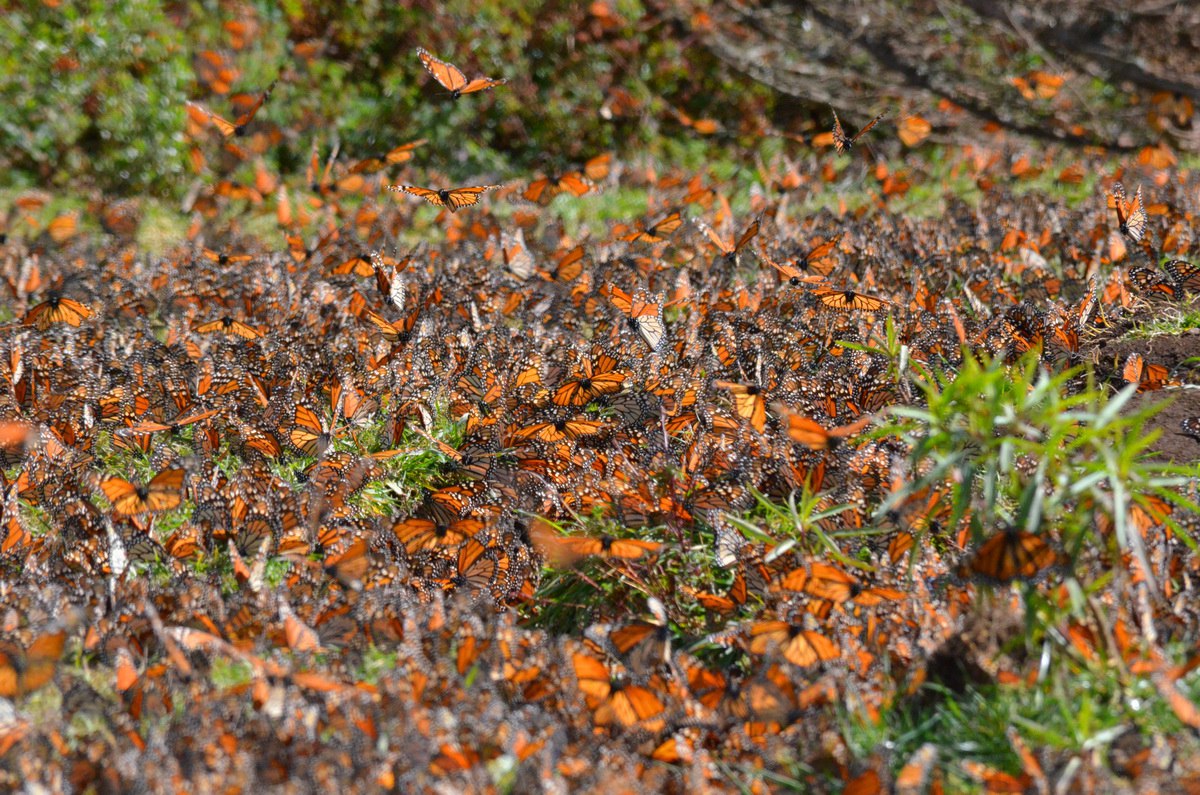
In Bicycling with Butterflies, the author Sara Dykman begins her journey in Mexico where the Monarchs overwinter, and follows the Monarchs as they start their 3,000 mile journey north to reproduce and start new generations. The Monarchs have been at their overwintering sites in Mexico since early November, roosting in high altitude, tropical fir forests. Mexico has created monarch sanctuaries to protect these overwintering grounds, the Cerro Pelon and Piedra Herrada sanctuaries in the State of Mexico, and El Rosario and Sierra Chincua on the eastern edge of Michoacán state.

If you want to visit these sanctuaries from November to March, you’d fly into Mexico City and travel to Zitácuaro, Michoacán, the closest major city. Be forewarned, however: monarch roosts are at high altitude, and you need to hike or ride a horse to see the sites closely.

Monarch butterflies and their sanctuaries are threatened by climate change, loss of habitat, the eradication of milkweed, and toxic pesticides. There has also been concern that violence and illegal logging in the area will affect those who work and support the sanctuaries.

I for one, would love to escape our Cleveland Winter in December for trip to see the Monarchs. There are so many ways to visit and support them from your doorstep as well – plant milkweed, plant a pollinator garden, advocate for habitat restoration, and, of course, keep informed! And register for our talk with author Sara Dykman, who, I’m sure, will have many more suggestions for ensuring that future generations experience the magic of Monarchs!

~ Dori
More Native Plant News

Last week I suggested a few sources for native plants. This week, I’m going to share some resources so you can learn more about native plants, which are the best for this area, and how to plant them – do they need sun? shade? clay soil or wet soil? What about planting across the seasons – having something that blooms in the Spring for early pollinators, and into late Fall for the butterflies still making their way? Here are books and websites that will help you cultivate a pollinator pathway!

Books:

Bringing Nature Home: How You Can Sustain Wildlife with Native Plants

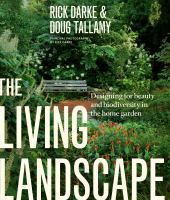
The Living Landscape: Designing for Beauty and Biodiversity in the Home Garden

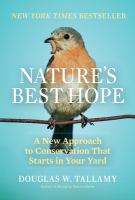
Nature’s Best Hope: a New Approach to Conservation that Starts in Your Yard

Native Plants of the Midwest

The Midwest Plant Primer

Websites:

The Ohio Native Plant Month

The Native Plant Society of Northeast Ohio

Native Plants for the Small Yard

OSU Extension Fact Sheet

If you need more information, please do not hesitate to contact us and we’ll be glad to point you in the right direction! Go forth and plant natives!

~Dori
If You Plant It, They Will Come

Our 2021 One Book, One City reads are all about Monarch butterflies, tracing their travels, and learning about the importance of their journey. Monarchs are amazingly beautiful, but are just one of many pollinators that are threatened by decreasing habitat and climate change. If you remember one thing, remember that pollinators support our food crops – and finding ways to decrease habitat destruction or build new habitat will provide sustenance to future generations.

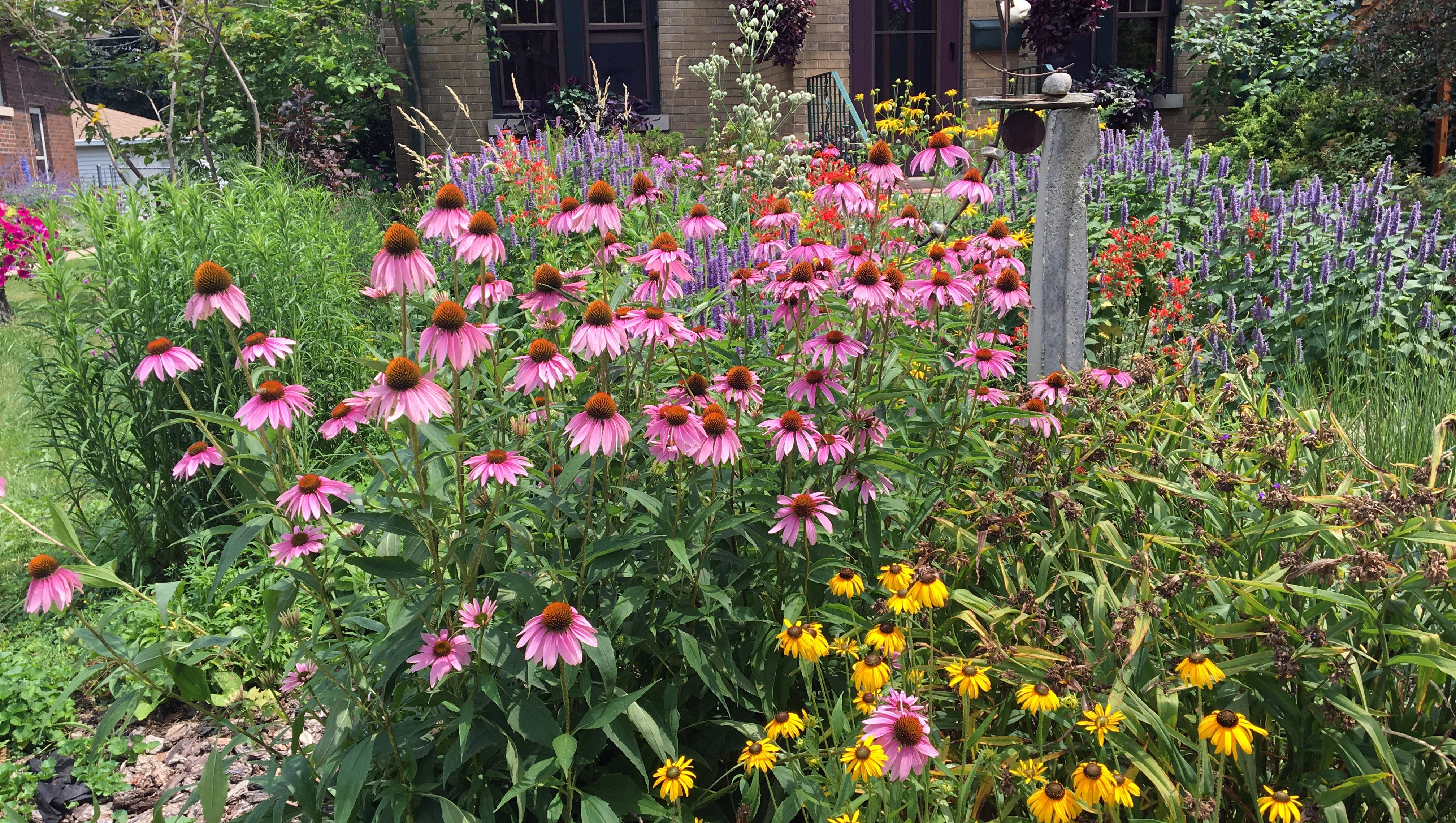
Native plants and their varying cultivars have evolved together with pollinators, and so have ideal flower sizes and shapes to support the many pollinators we need. And because they’re from Ohio, they’re easy to grow – no picky plants in the bunch! Here at Rocky River Public Library, with the help of the Beach Cliff Garden Club and library volunteers, we put in a pollinator garden that is officially certified by Monarch Watch. We’ve called our garden “Monarch Trails & Tales” and it includes milkweed for Monarchs, their only food, as well as numerous native perennials. Take a look at it the next time to visit and see what kinds of pollinators you spot – there’s butterflies and bees of course, but also small flies that are essential to pollination!

Lots of local nurseries sell native plants, and the Cuyahoga Soil & Water Conservation District sell native plants in groups of 50 for a reasonable cost. If we all sacrifice a little lawn or even plant containers of native plants, we can grow and nurture our pollinator population, creating pollinator pathways and beautiful gardens at the same time.

As Douglas Tallamy, professor in the Department of Entomology and Wildlife Ecology at the University of Delaware and author of numerous books about the intersection of plants, animals and humans, writes “…we humans have disrupted natural habitats in so many ways and in so many places that the future of our nation’s biodiversity is dim unless we start to share the places in which we live –our cities and, to an even greater extent, our suburbs — with the plants and animals that evolved there”

~ Dori