Boys in the Boat by Daniel James Brown: Part Four

Part Four—Touching the Divine: Chapters 13-19 and the Epilogue 
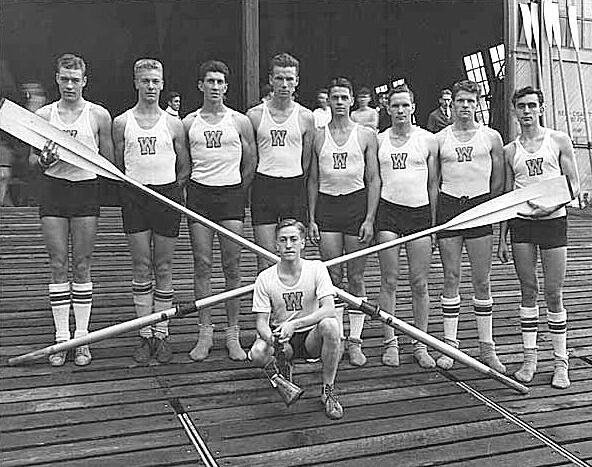
Photo from Washington Rowing 

Finally, we reach Part Four. It’s all been building towards this: the 1936 Olympic Games.  

There are a lot of tough decisions to make for Coach Al Ulbrickson in assembling the varsity team. He even drops Joe from boat one, though a month later he is moved back to the first boat, making the Olympics-hopeful boat. The final lineup is: Herbert Morris, Charles Day, Gordon Adam, John White, James McMillin, George Hunt, Donald Hume, Robert Moch, and Joe Rantz. But their work is far from over. They’ve got to make it to Berlin, and to do that, they must succeed at the Olympic Time Trials in New Jersey.  

The men packed up as though they were headed to Germany and took a train to the east coast. With a now-signature come from behind victory, the Washington team was Olympics-bound! However, they needed to fund their own way, and fast. I thought it was admirable that Coach Ulbrickson kept the money issue a secret from the team, to keep them focused on their goal. Fortunately, the whole of Washington is supporting them, and they manage to raise $5,000 and set off for Europe, to put their skills to the most challenging test of all.  

The voyage over was difficult: Hume became ill, people got seasick, some gained weight from lack of exercise, an Olympian even got expelled from the Games due to excessive drinking. Meanwhile, Germany, of course, was ramping up their wide-scale oppression but their propaganda team did their best to present a welcoming, peaceful facade. When the Americans arrived, they were impressed with the warm energy and had no idea of what was looming in the shadows. 

Practice began and the Americans had the opportunity to view the other countries’ rowing teams: disciplined Germany, similar Britain, calm Netherlands. The Americans were still struggling to work together but slowly, they began to open up to each other and grow stronger. At the preliminary race, the Americans won and set a new world record, even with an ill Hume. The next day was the final and the Americans were at a disadvantage with the worst lane position. The weather was raging and when the race began, the American and British teams didn’t even notice! Even knowing the outcome, I was glued to the page, unsure of how a team so behind could make up the difference and emerge victorious. 

The second to last chapter was told masterfully, every detail of the race on the page. But nothing beats archival footage to see pieces of the race. The video below in particular shows just how close the race was, with the American boat just barely winning gold. It was an extraordinary moment and after reading about the trials those men went through, what a glorious, well-deserved end! 

Discussion questions for Part Four:

  1. Of course, we know the results of the 1936 Olympic Games. However, while reading about the race, what emotions did you experience? Were you so immersed in the story that you felt, for a moment, that the boys could lose? 
  1. We were able to get a lot of Joe Rantz’s personal life told in this story. Throughout the book and in the epilogue, we learn more about the other members of the boat. Did you wish the author was able to provide a deeper dive on any other person in the book? Who would you want to know more about and why? 

Thank you for joining our online discussion! Keep the conversation going with two All-Ages book discussions coming up: 

Tuesday, July 23, 7:00-8:00pm in the Green Room at the Library OR Tuesday, July 30, 10:30-11:30am at the Rocky River Senior Center at 21014 Hilliard Blvd. 

And join us on Friday, July 26 at 12pm: we will be showing The Boys in the Boat at our Movie Matinee! 
Boys in the Boat by Daniel James Brown

Part Three- 1935 The Parts That Really Matter. Chapters Nine, Ten, Eleven, and Twelve.

In this part, we really start to see some storylines coming together. The goal stated on January 14th of 1935 declared they would forgo normal training with hopes to go to the Olympics the following year. This sets a different tone as these rowers have in the span of a year gone from fighting for a spot on the freshman team to working towards becoming Olympic champions. We really don’t hear much about what the boys and Joe were thinking about this other than their stress. We see their struggle from the perspective of Ulbrickson and his personal struggle. As much as he wanted to recapture the magic from the Poughkeepsie freshman race of the previous year, the sophomore team just wasn’t predictable. I’ve had problems, particularly with machines where sometimes they’ll work and other times they won’t. I understand to some extent the frustration of seeing the sophomores row well sometimes and other times struggle to keep up with the older students.

The buildup and the excitement for the races in this part are exhilarating. With the sophomores assigned to the varsity boat, they consistently win the races. They don’t consistently beat the older boys though. So when it comes to this year’s competition at Poughkeepsie, the older boys get to race as the varsity only to lose. The older boys lose the varsity race at Poughkeepsie and lose the 2000 meter exhibition run. With 2000 meters being the Olympic length, it must have really hurt their morale. The University of Washington seemed to have the raw talent, but they struggled to create a proper team to prove they deserved a shot at the Olympics.

Joe’s personal life is still very tumultuous at this point. Joe finds where his family has been living, is rejected by Thula again, secretly visits his siblings, Thula dies, and his father suggests they live together again. Joe’s personal life feels like a whirlwind. It’s hard to imagine being a young man with all this family drama, struggling to pay for your tuition, and still managing to find time to be on the crew team as well as date Joyce. We get a better understanding of the other boys on the crew team as Joe sees them in a more humanizing light outside of crew. Joe starts to develop a connection with George Pocock as the new year of training begins in the fall.

Both in the United States and in Germany, the Nazi problem is becoming more and more apparent. Jewish people are losing their rights as their society turns against them. Americans vote on whether to boycott the Olympics, but the vote fails. The people sent to Germany to see the Olympic facilities are fooled. Brundage manages to fool the public by saying he is an advocate for the Jewish people, yet using arguments to minimize their suffering and doubt themselves. This book paints a vivid picture of the manipulations that were happening at the time.

Discussion questions for Part Three:

What did you think of the excitement of the California races with the sophomores appointed as varsity as well as the upset JV team? Do you think the results would have been different if the older boys had raced the California varsity?

Have you ever had a moment like Joe had after the California race where you felt truly celebrated for your accomplishments?

Let us know how your thoughts! Come to one, or both, of our All Ages Book Discussion:
Tuesday, July 23, 7:00-8:00pm in the Green Room at the Library OR Tuesday, July 30, 10:30-11:30am at the Rocky River Senior Center at 21014 Hilliard Blvd.

Boys in the Boat by Daniel James Brown

Part Two – 1934 Resiliency Chapters Six, Seven, and Eight

And on we go to the next three chapters!!

The author’s ability to take small, seemingly unimportant moments and turn them into something that feels like a Dramatic Moment makes it hard to put this book down (imho). Take for example the unexpected race between the freshman and varsity boats coming in from practice (page 85), and readers can almost see the wheels start turning in Coach Ulbrickson’s mind. Figuring out how to get the same response on a regular basis, is it the day or is it the mix of rowers or is something intangible? And how can his team keep up with the other West Coast teams University of Washington needs to defeat before they can move onto the East Coast teams? All of this is giving us a better perspective on what challenges lay ahead for our Boys in the Boat, while also keeping us on the edge of our seats..

Possible questions for discussion from Part Two:

1. Do you think Ky Ebright was right to complain about George Pocock? If you were Mr. Pocock, how would you have responded?

2. Now that you’re more acquainted with how small differences in the shell, oars, and the positions people are assigned, what do you think made the University of Washington’s Freshman Team so successful? What position do you think you’d be assigned? 

3. Did you know how long the high temperatures and drought conditions were present in the 1930s? What kind of daily impact do you think that had on the people of the Midwest and Great Plains? How do you think it affected the people we’ve met in this book?

4. Were you surprised to find out where Harry and Thula wound up? What would you have done if you were Joe?

5. Part two is focused on the resiliency of people, and also a little bit on the Western red cedar too. Did you know how much the materials going into the equipment would matter? Are you feeling inspired to start building anything out of the native plants found in Ohio? 🙂 

6. Will you be watching the 2024 Paris Olympics Rowing Competition, starting on July 27th? You have time, so why not get to know US Rowing Eight+ boat class Teams before the games begin!

Let us know how your thoughts! Come to one, or both, of our All Ages Book Discussion:

Tuesday, July 23, 7:00-8:00pm in the Green Room at the Library OR Tuesday, July 30, 10:30-11:30am at the Rocky River Senior Center at 21014 Hilliard Blvd.

See you in just a few weeks! -Stacey

The First Academy Awards

Ninety-five years ago, the first Academy Awards ceremony took place in Hollywood! Vastly different from the awards show we know today, the ceremony only had 12 categories, lasted just 15 minutes, and it was the only Academy Awards to not be broadcast on television or radio. Tickets were $5 (about $90 in 2024), with plenty of fans in attendance with the celebrities.  

While we might be out of awards season, brush up on your film knowledge for next year with some movie history books: 

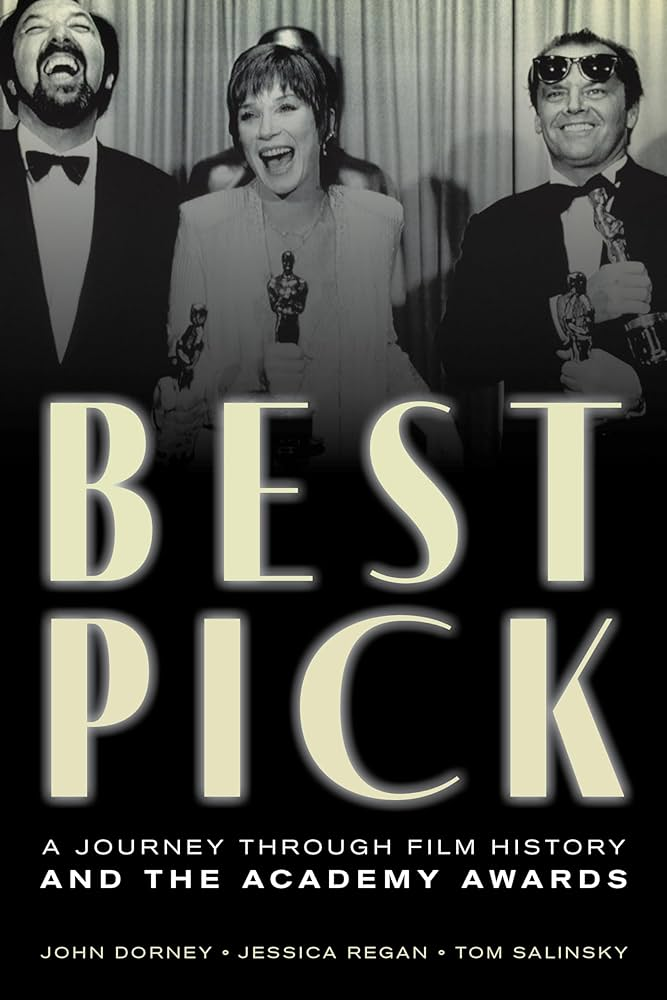
Best Pick: A Journey through Film History and the Academy Awards by John Dorney 

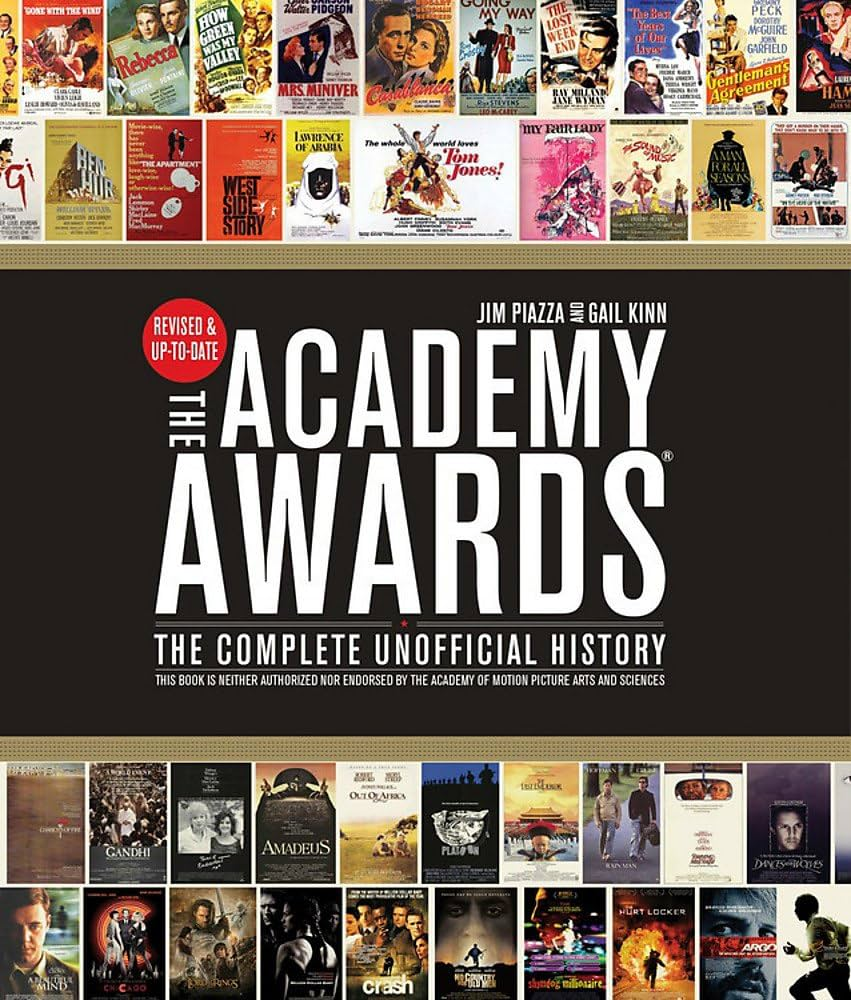
The Academy Awards: The Complete Unofficial History by Gail Kinn 

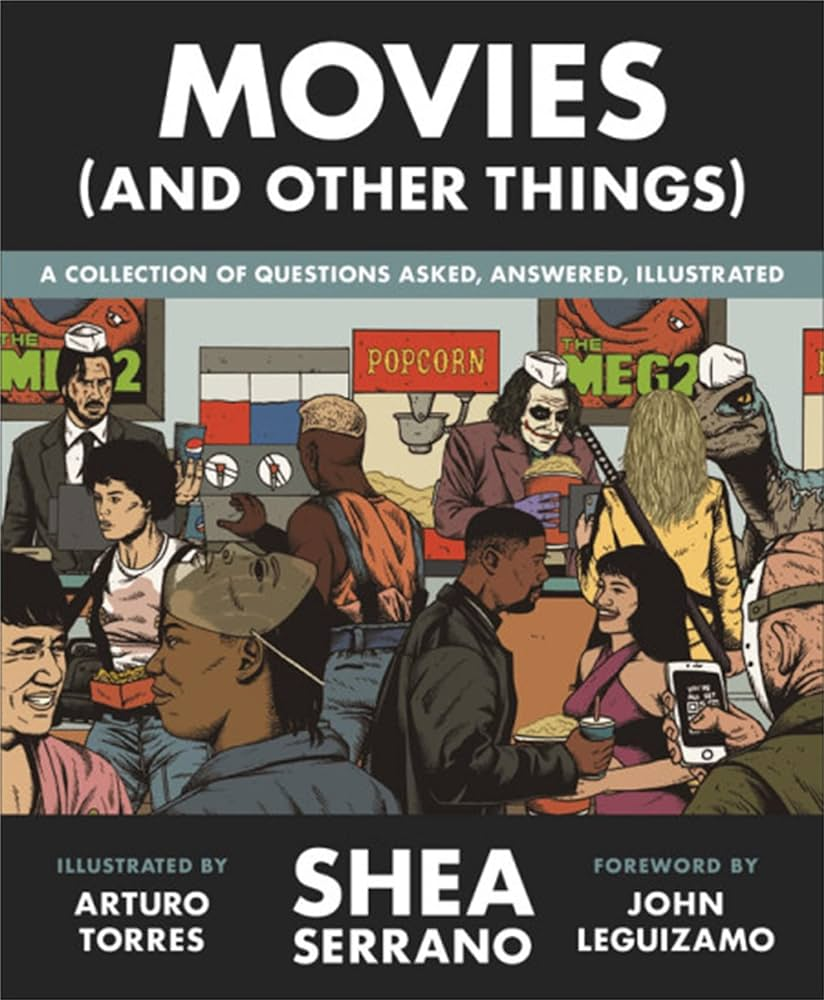
Movies (and Other Things): A Collection of Questions Asked, Answered, Illustrated by Shea Serrano 

Naked Screenwriting: Twenty-two Oscar-winning Screenwriters Bare Their Secrets to Writing by Lew Hunter 

Oscar Wars: A History of Hollywood in Gold, Sweat, and Tears by Michael Schulman 

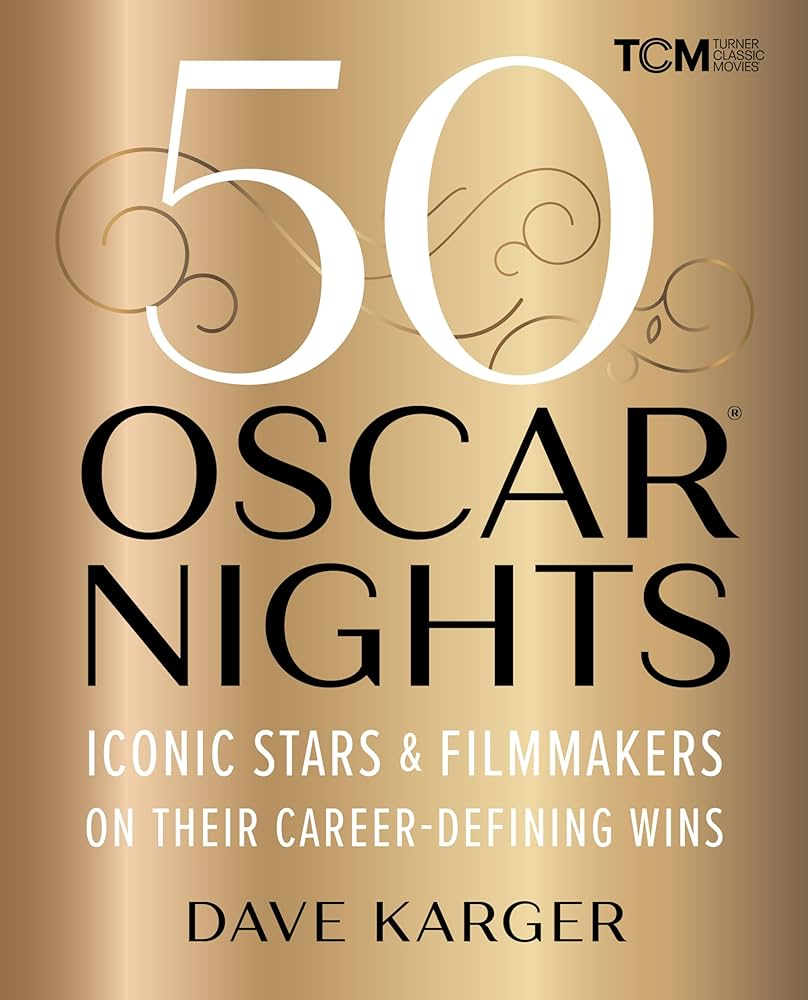
50 Oscar Nights: Iconic Stars & Filmmakers on Their Career-Defining Wins by Dave Karger 

-Linnea

From Page to Screen: Award Season

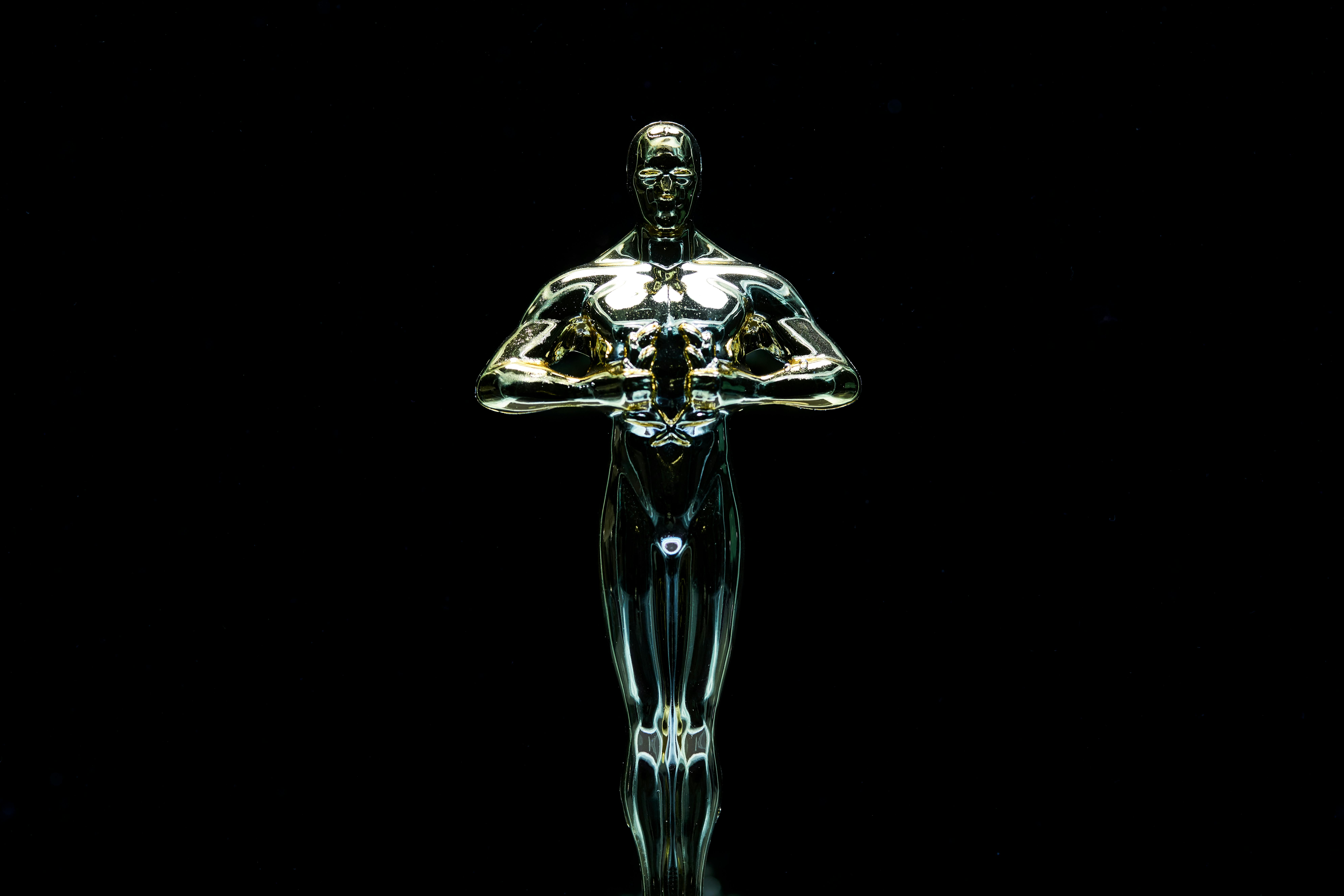
Photo by Engin Akyurt: https://www.pexels.com/photo/standing-man-figurine-2098604/

And the Oscar goes too…the books behind the movies. Award season kicked off with the Golden Globes on January 7, with book to film adaptations well represented among the nominees and winners! The Oscars take place on March 10, so there’s plenty of time to pick up a book before the awards ceremony. Here’s what books are buzzing this awards season.

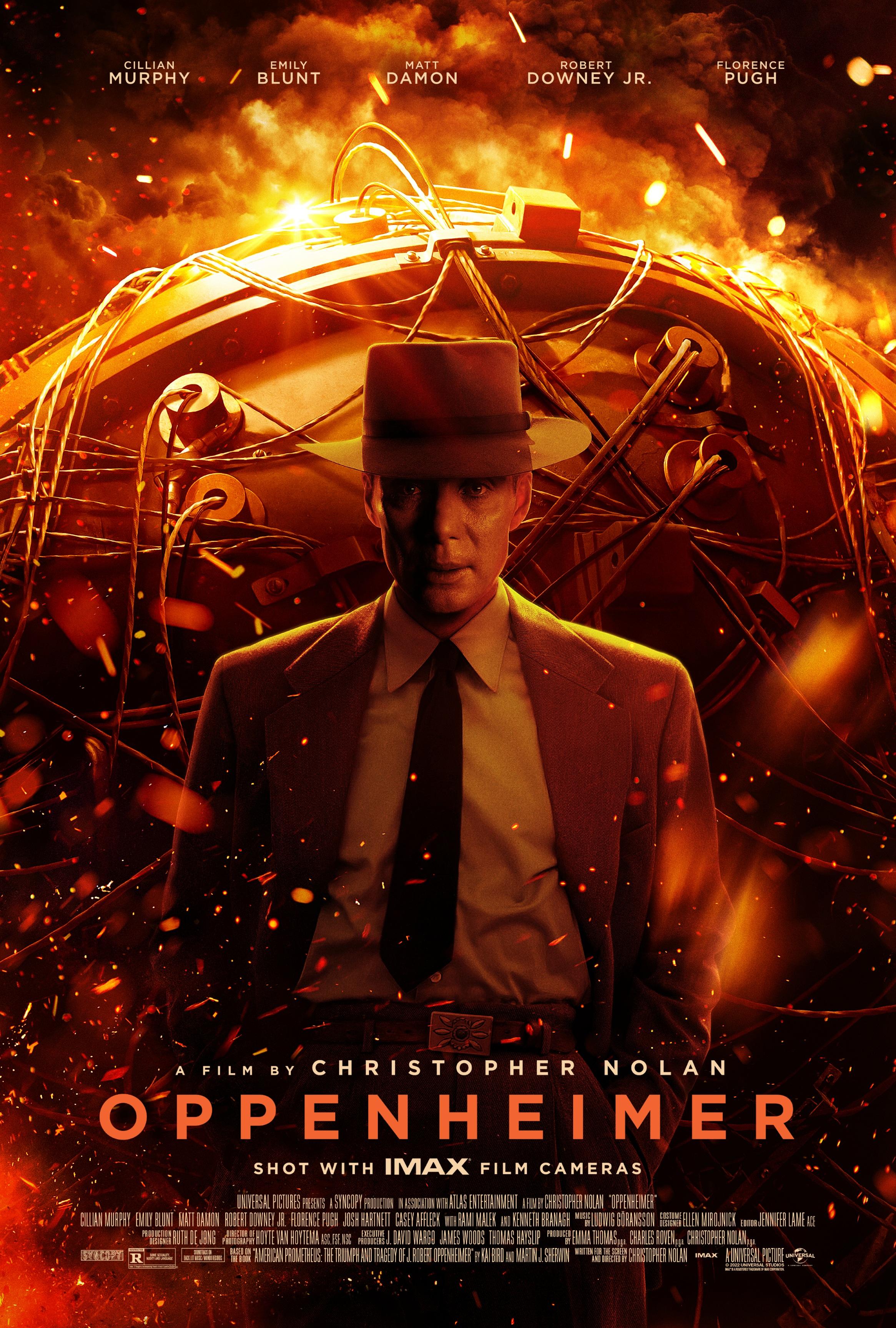
Oppenheimer, nominated for thirteen Academy Awards and based on

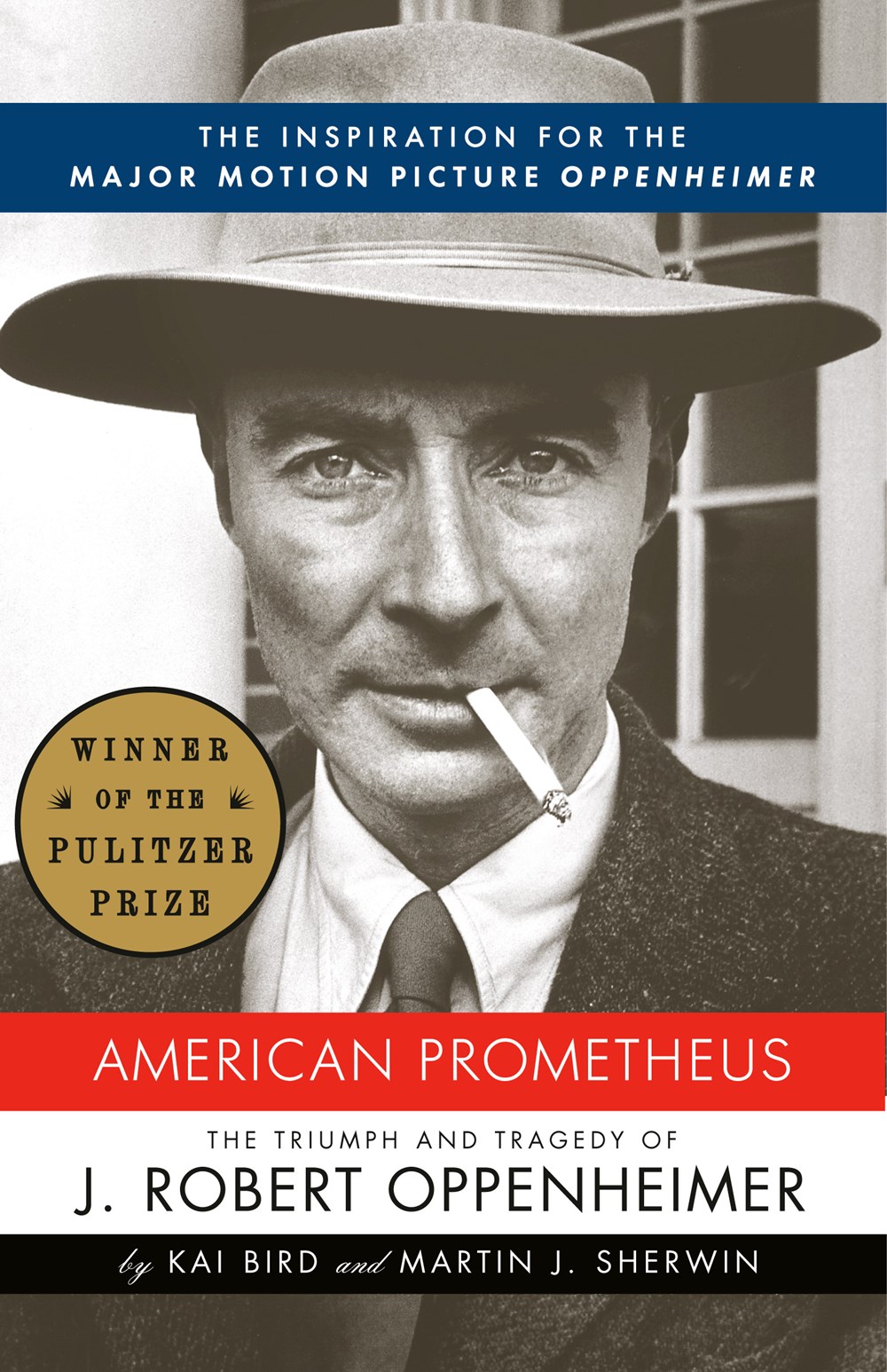
American Prometheus: The Triumph and Tragedy of J. Robert Oppenheimer by Kai Bird and Martin J. Sherwin

J. Robert Oppenheimer is one of the iconic figures of the twentieth century, a physicist who led the effort to build the atomic bomb for his country in a time of war, and who later found himself confronting the moral consequences of scientific progress.

Request the book here.

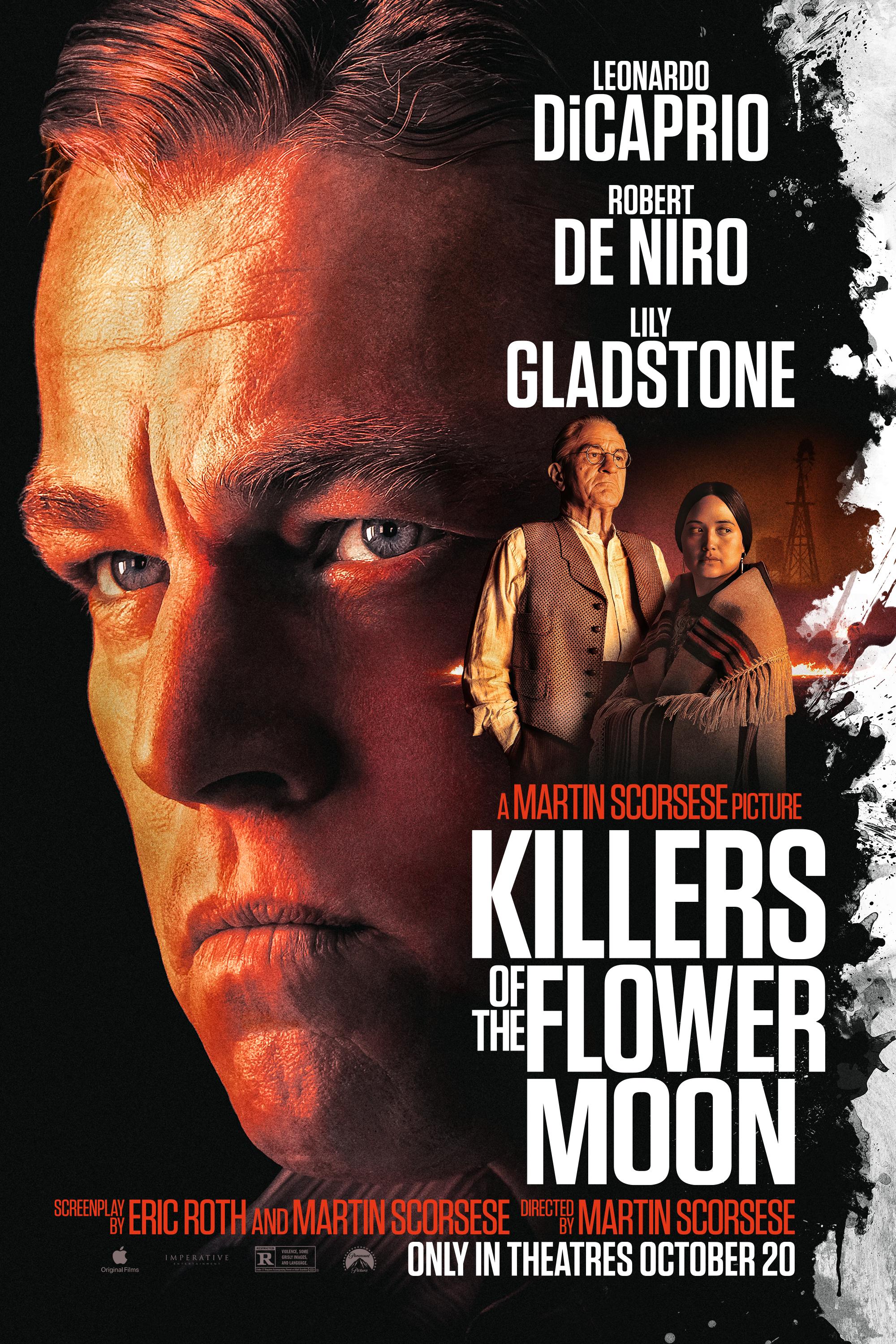
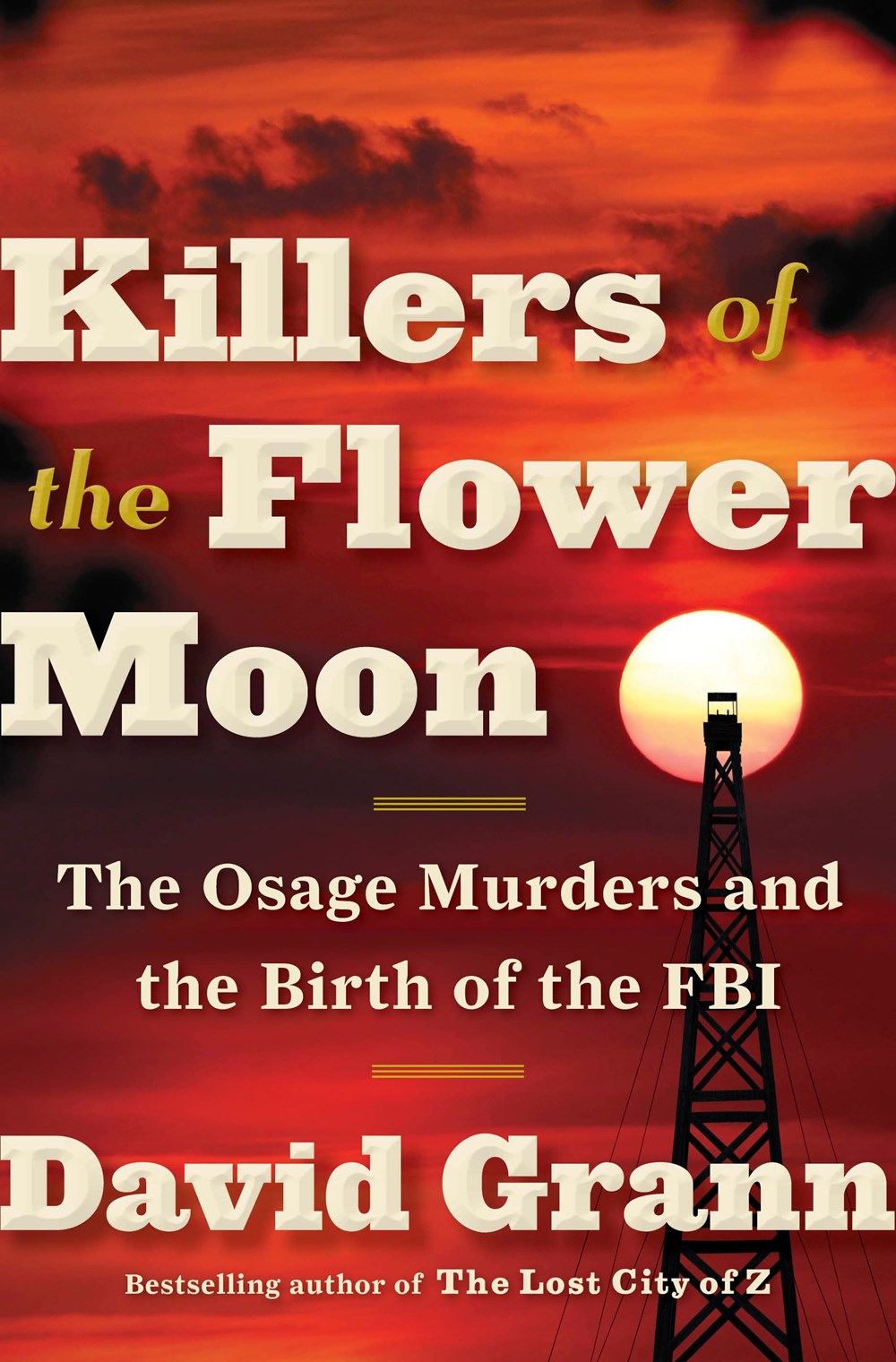
Killers of the Flower Moon, nominated for ten Academy Awards and based on

Killers of the Flower Moon: The Osage Murders and the Birth of the FBI by David Grann

Presents a true account of the early twentieth-century murders of dozens of wealthy Osage and law-enforcement officials, citing the contributions and missteps of a fledgling FBI that eventually uncovered one of the most chilling conspiracies in American history. 

Request the book here.

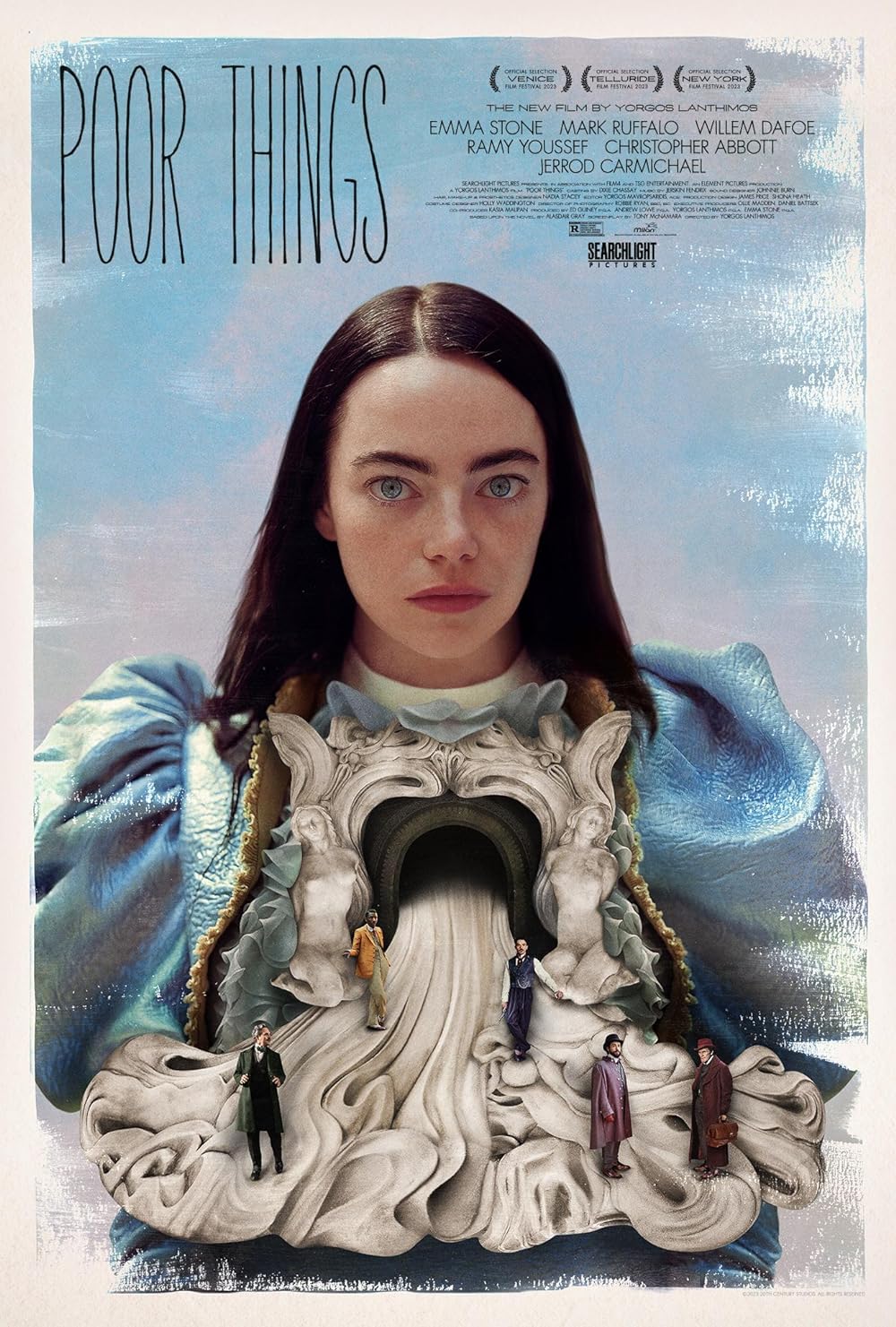
Poor Things, nominated for eleven Academy Awards and based on

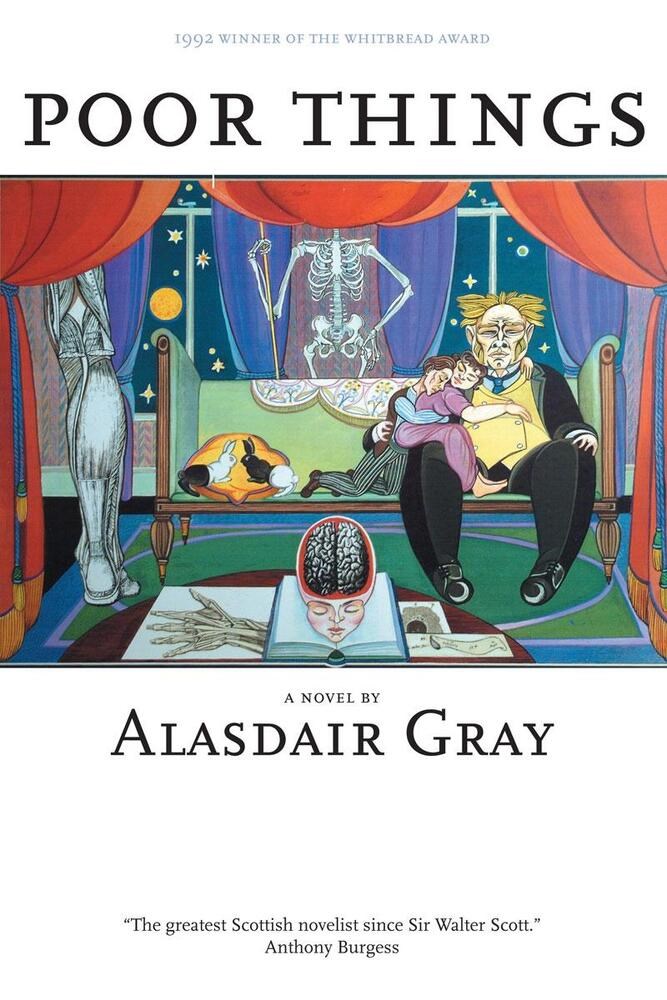
Poor Things by Alasdair Gray

Supposedly the product of the fiendish scientist Godwin Baxter, Bella was resurrected for the sole purpose of fulfilling the whims of her benefactor.

Request the book here.

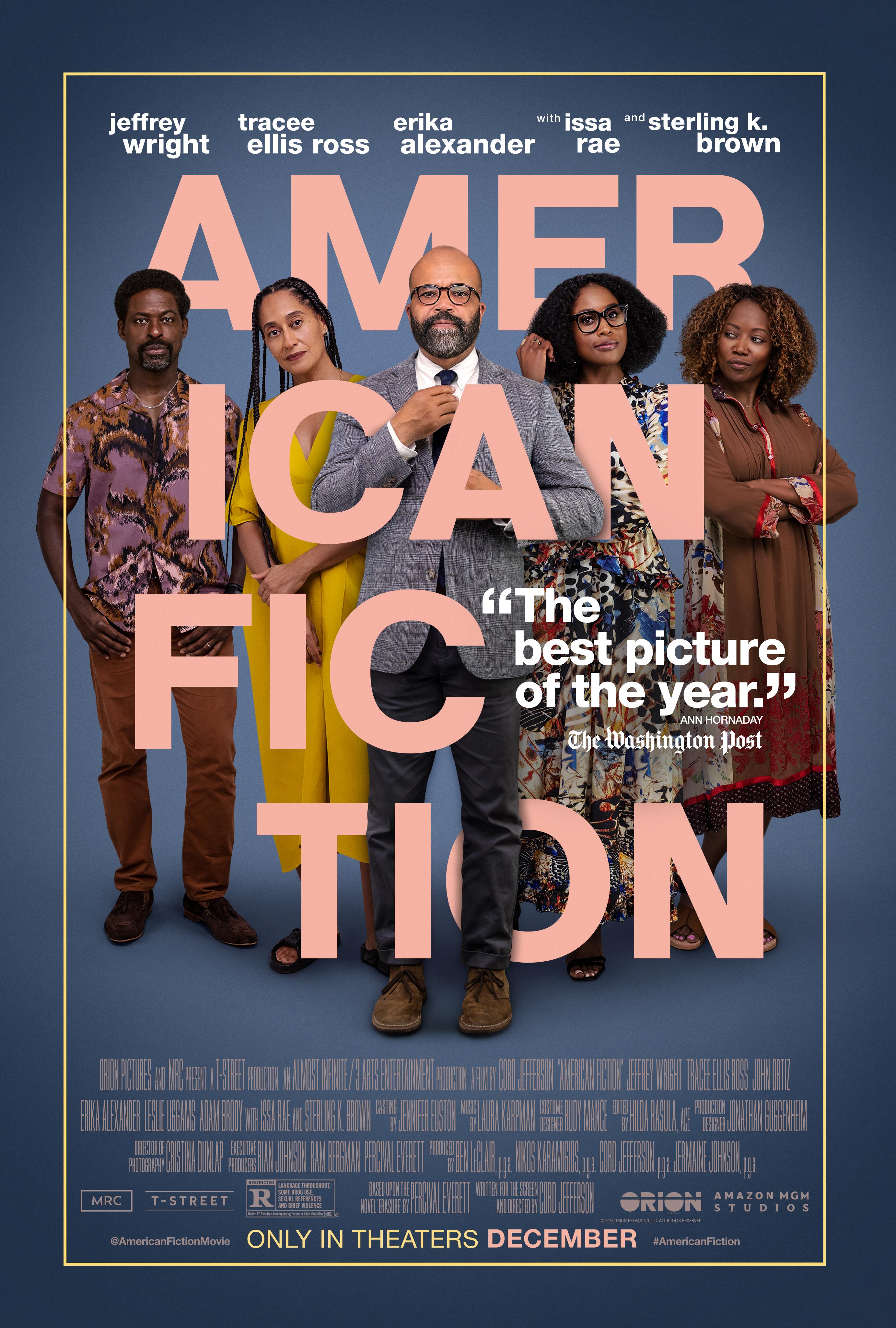
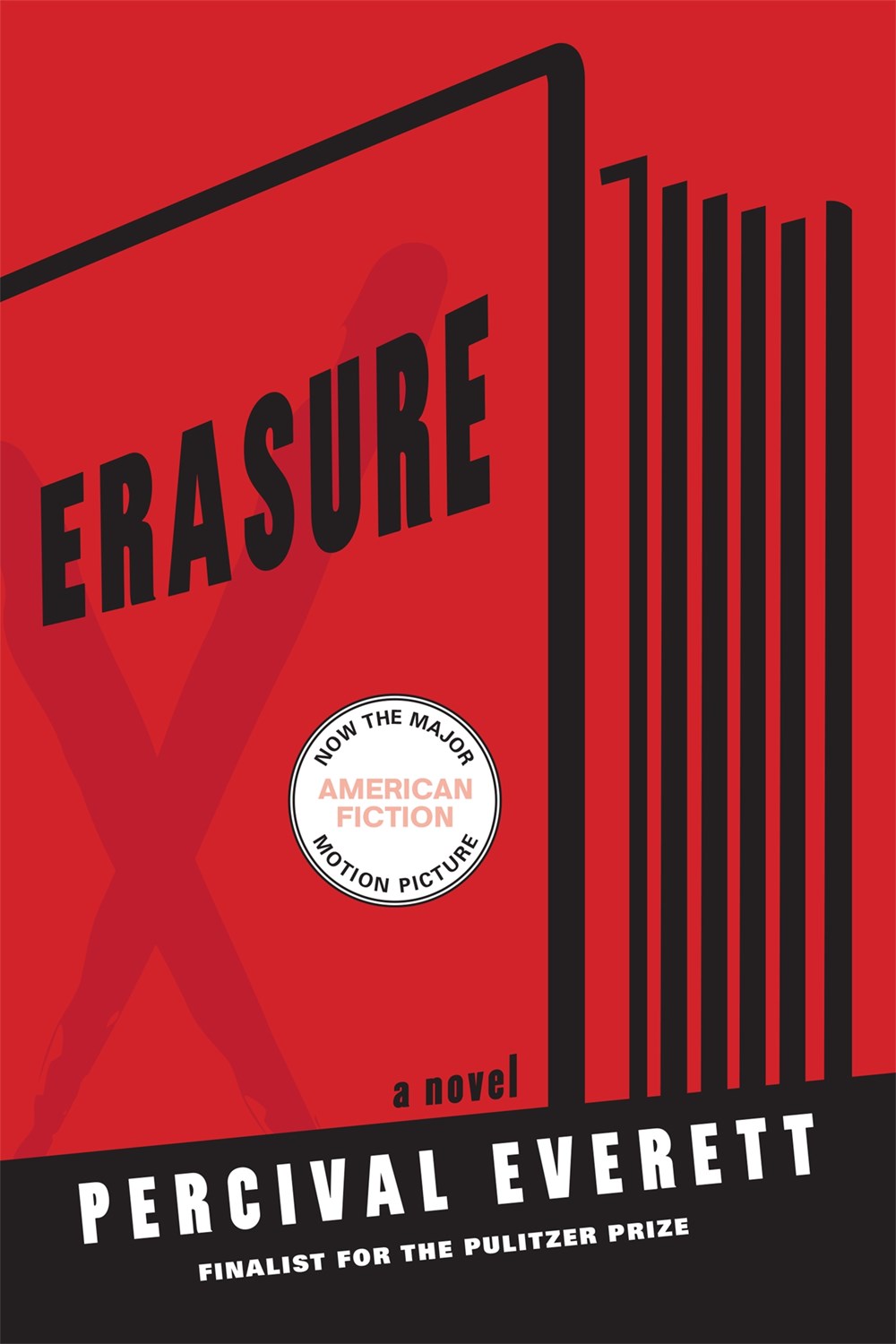
American Fiction, nominated for five Academy Awards and based on 

Erasure by Percival Everett

Thelonius “Monk” Ellison is an erudite, accomplished but seldom-read author who insists on writing obscure literary papers rather than the so-called “ghetto prose” that would make him a commercial success.

Request the book here.

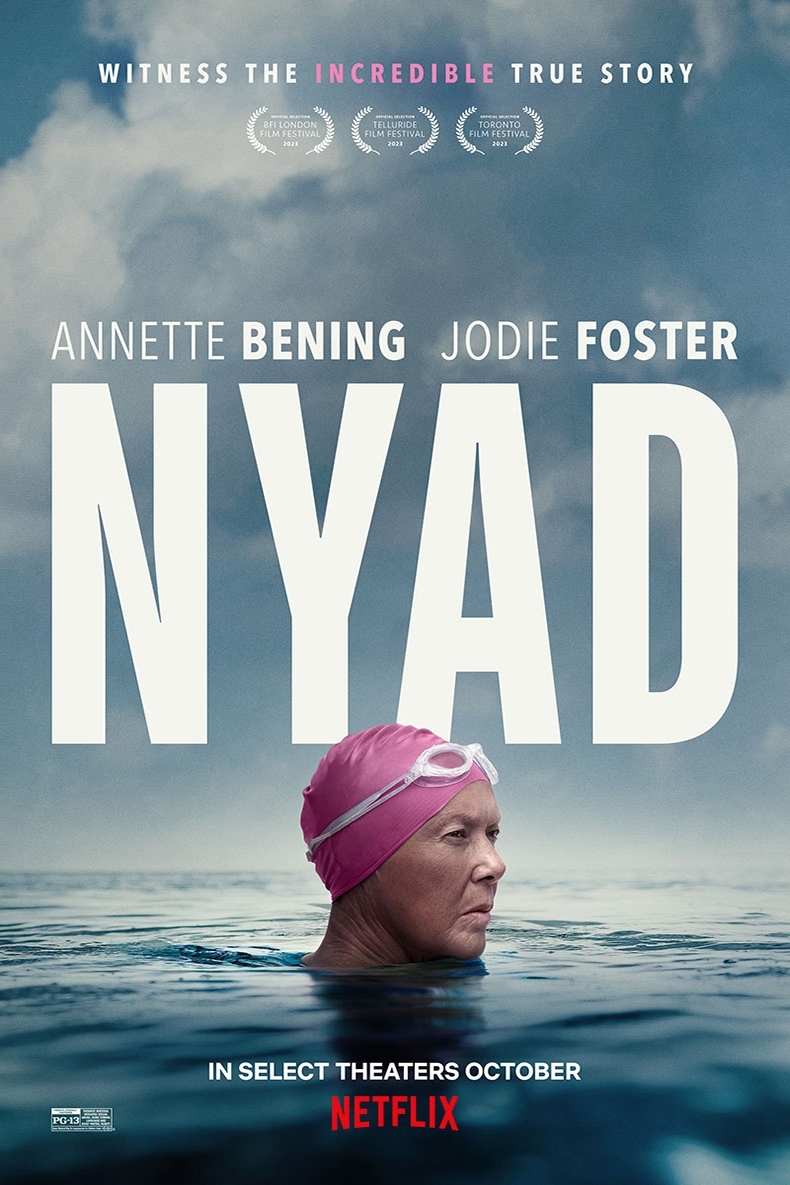
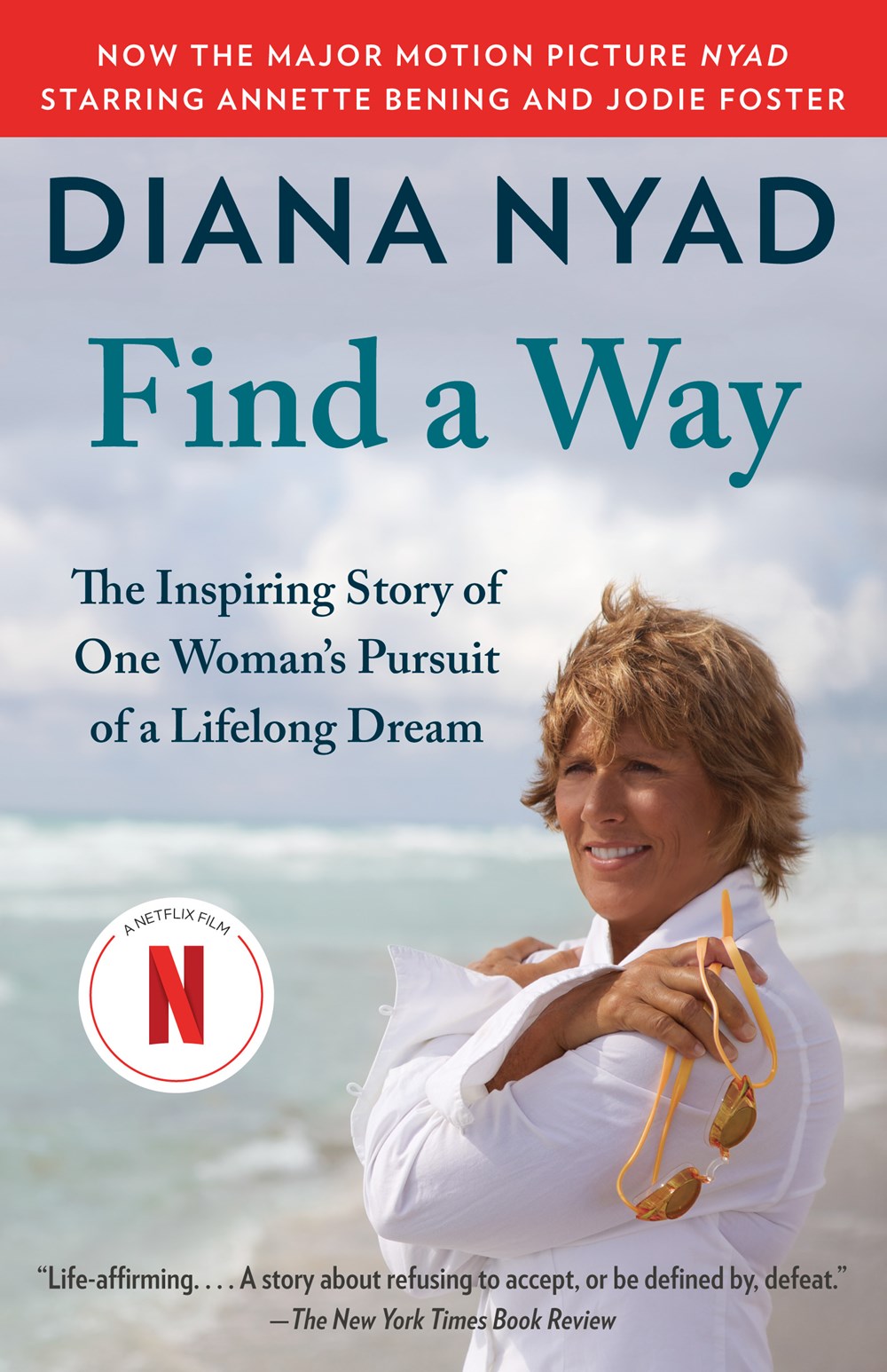
Nyad, nominated for two Academy Awards and based on

Find a Way: The Inspiring Story of One Woman’s Pursuit of a Lifelong Dream by Diana Nyad

On September 2, 2013, at the age of 64, Diana Nyad emerged onto the shores of Key West after completing a 110 mile, 53 hour, record-breaking swim through shark-infested waters from Cuba to Florida

Request the book here.

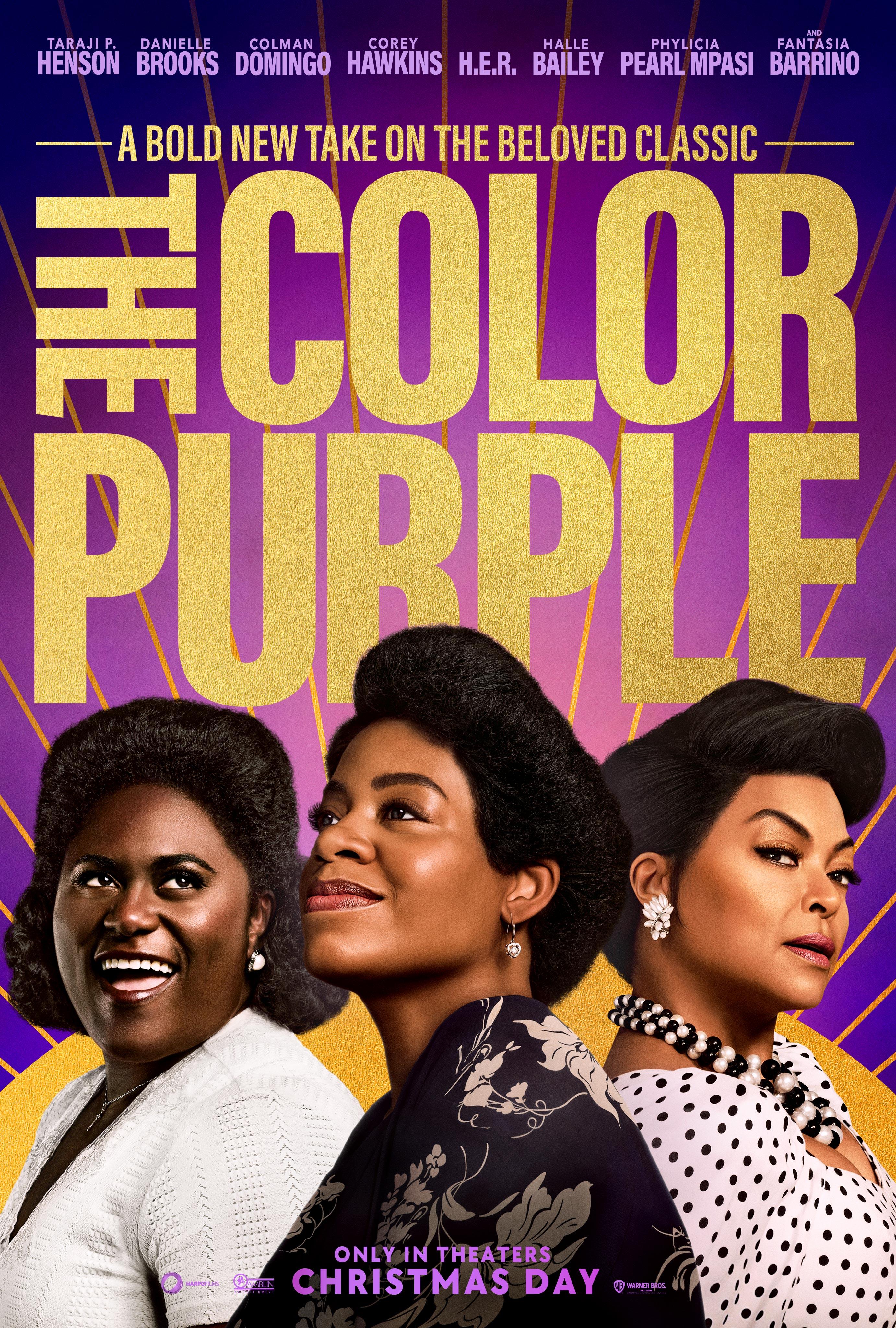
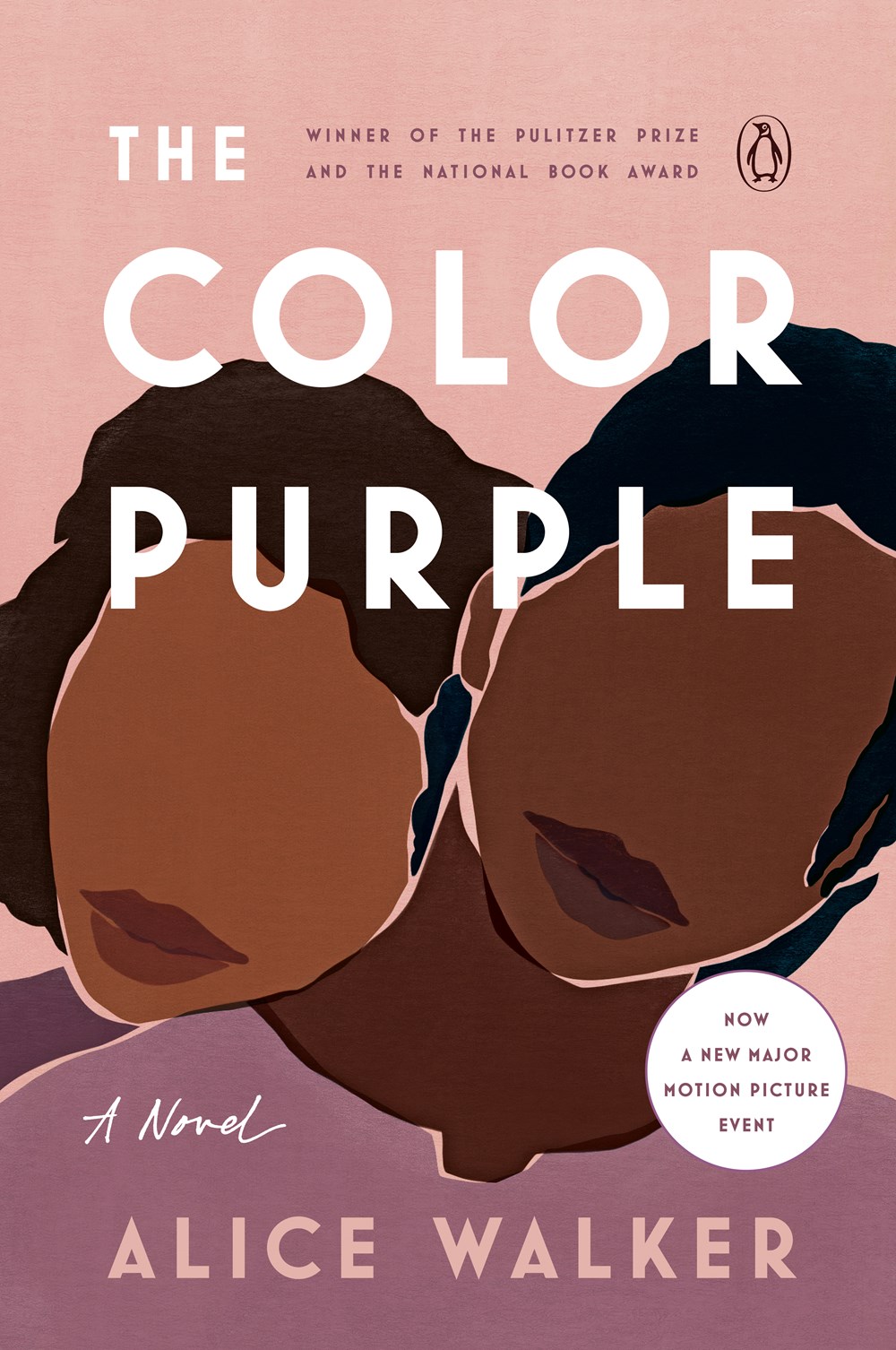
The Color Purple, nominated for an Academy Award and based on

The Color Purple by Alice Walker

Separated as girls, sisters Celie and Nettie sustain their loyalty to and hope in each other across time, distance, and silence.

Request the book here.

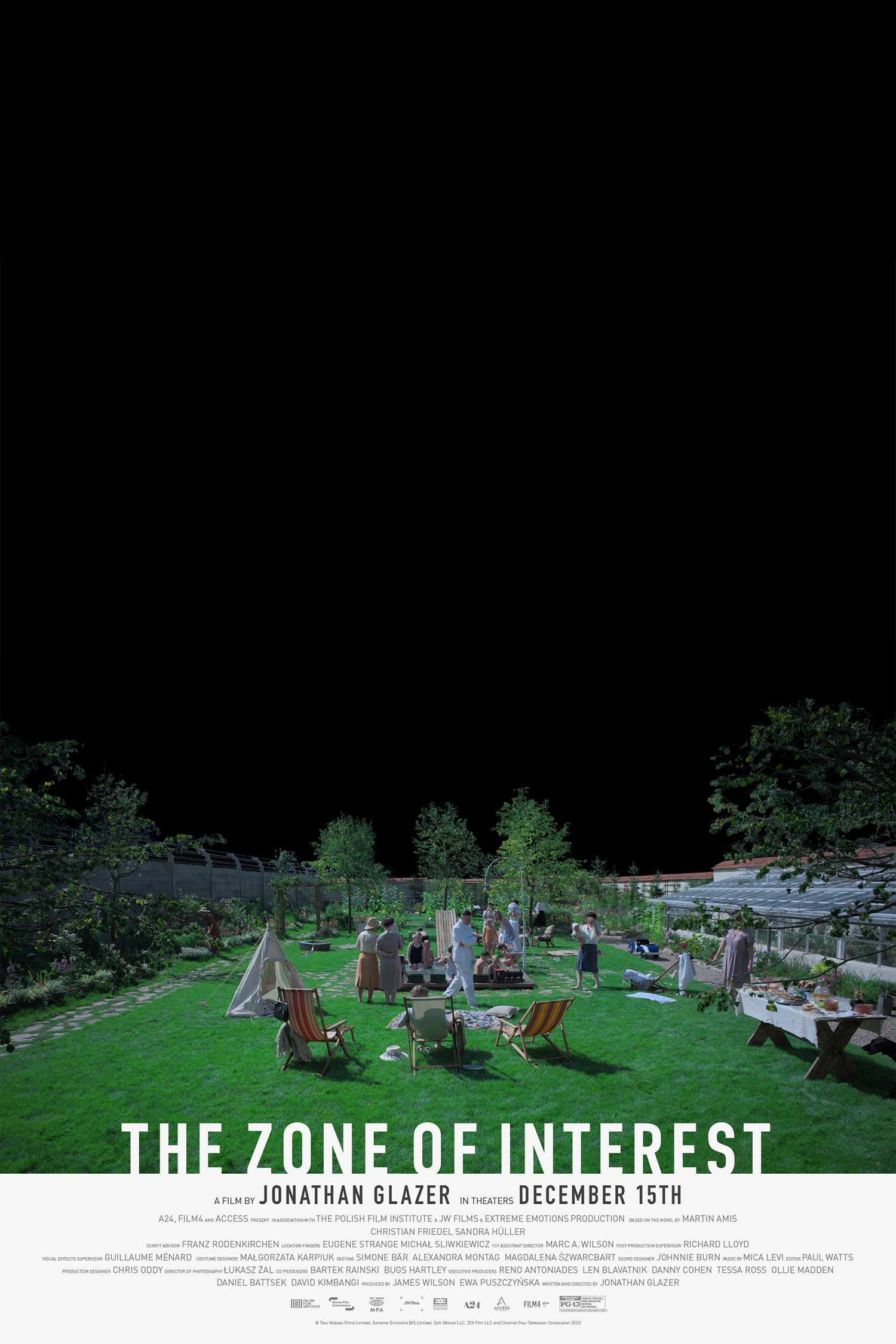
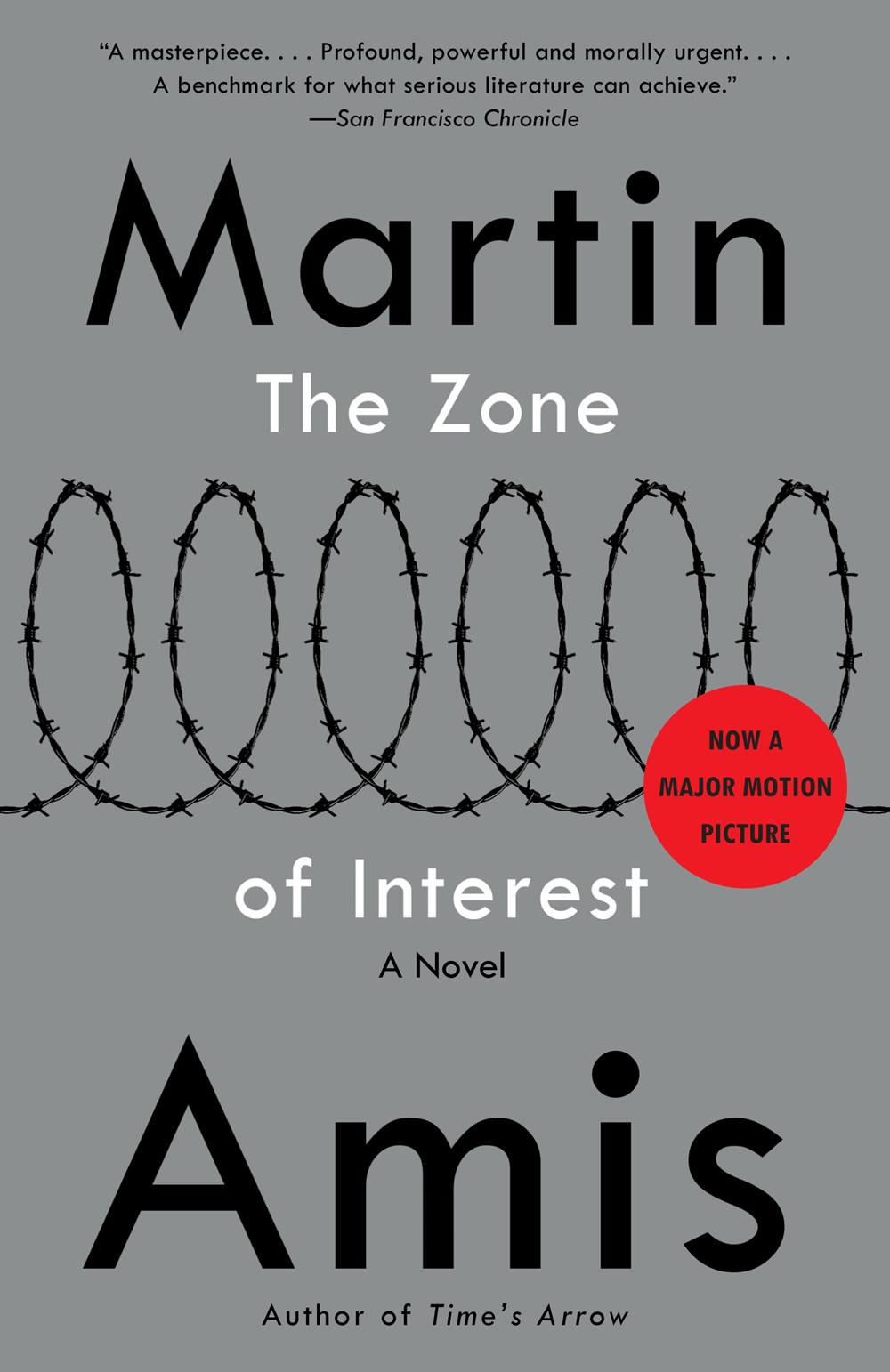
The Zone of Interest, nominated for five Academy Awards and based on

The Zone of Interest by Martin Amis

A fictionalized look at the Holocaust told from the human perspective of four different characters: Paul Doll, commandant of a concentration camp; his wife, Hannah Doll, who is far more aware of what is going on around her than her husband realizes; Angelus ‘Golo’ Thomsen, the privileged nephew of Hitler’s personal secretary who falls for Hannah; and Szmul, a Jewish prisoner who works at the camp and witnesses all of the atrocities that happen around him.  

Request the book here.

Enjoy these blockbuster reads!

-Melinda

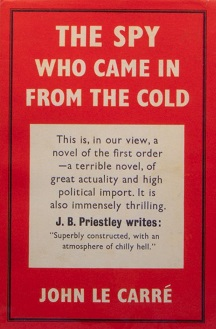
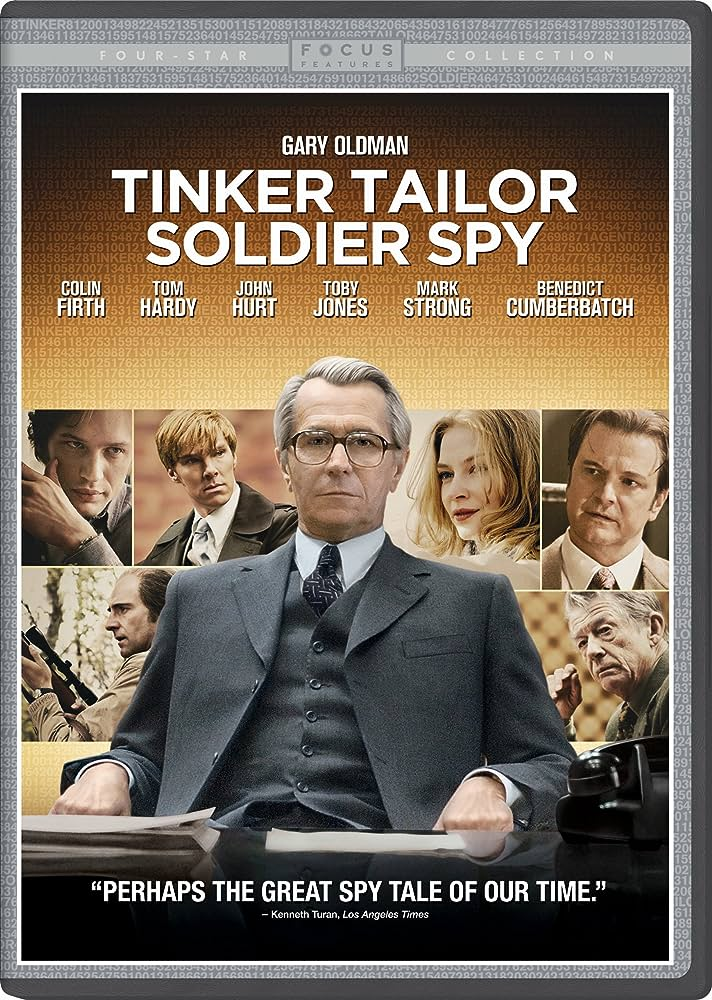
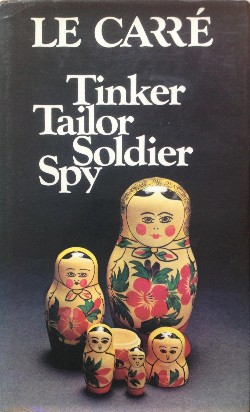
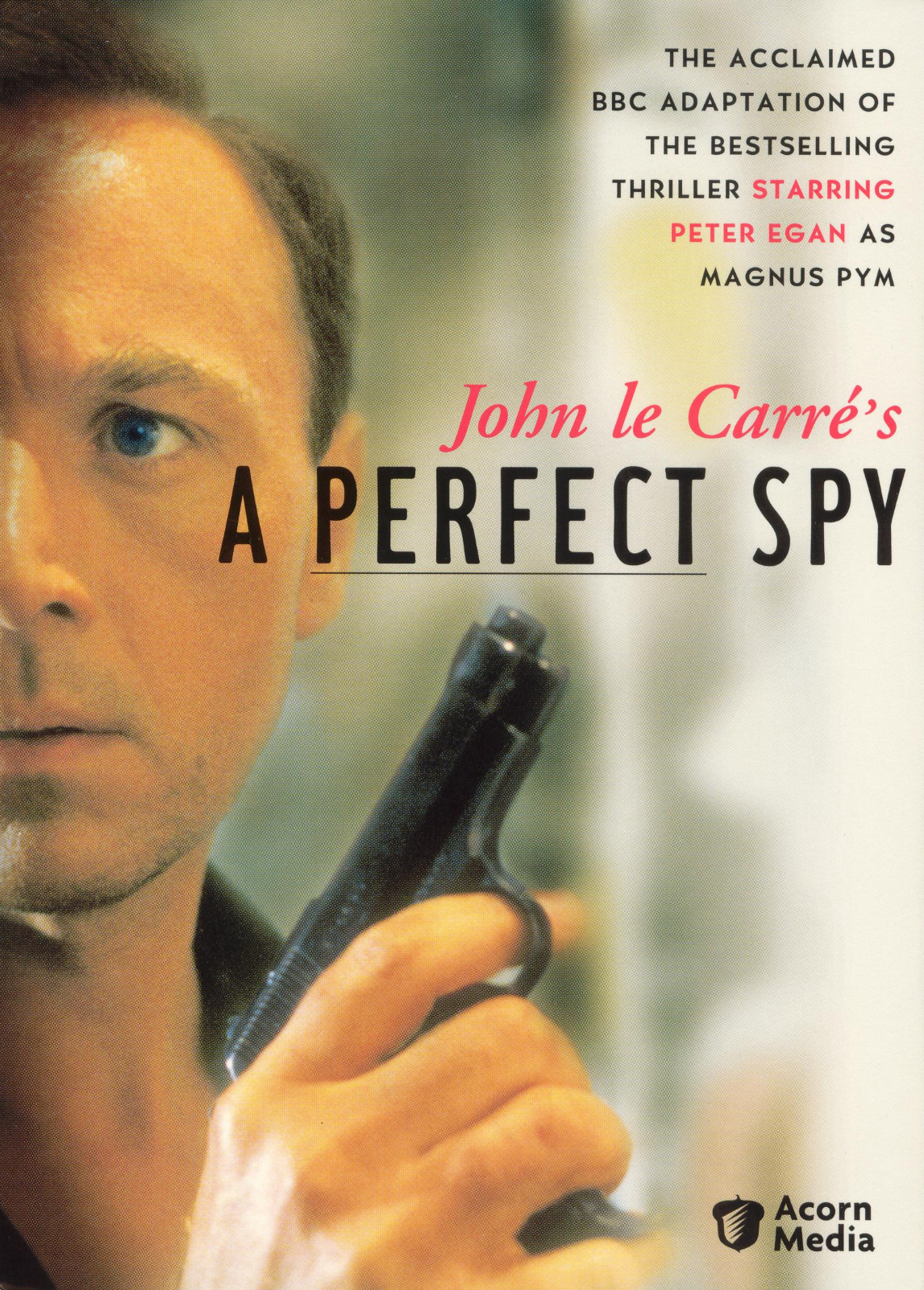
Happy Birthday, John le Carré!

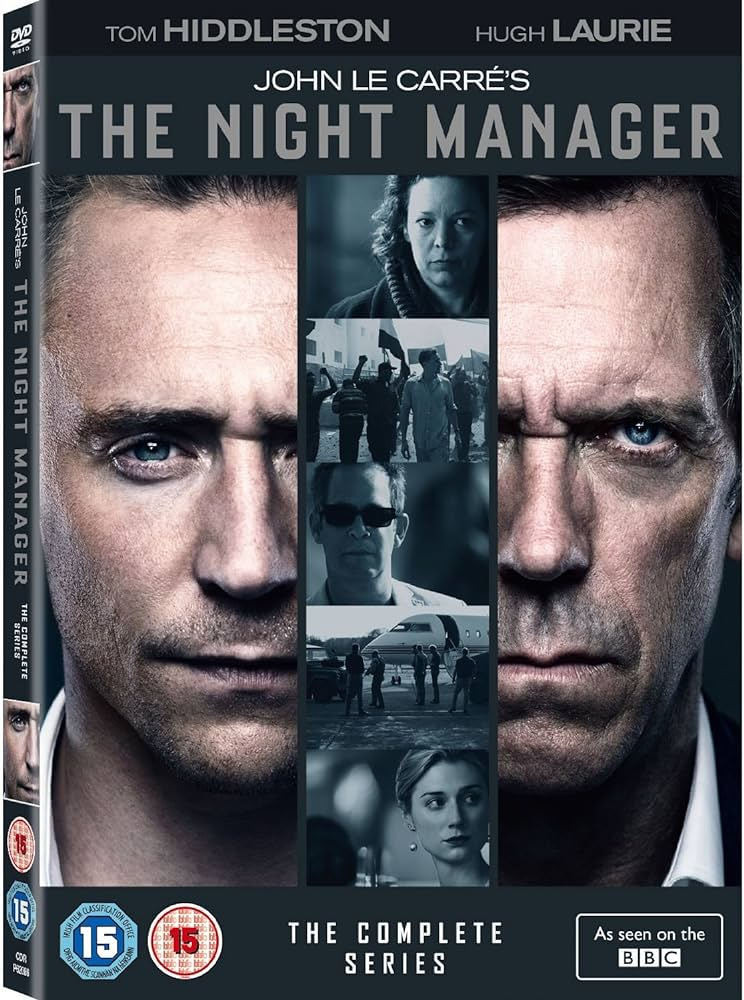
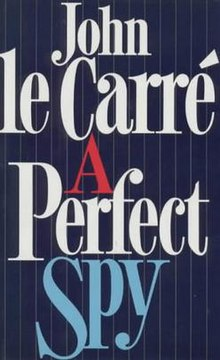
Today is the great novelist’s John le Carré’s birthday! Le Carré briefly served in British Intelligence during the Cold War, which no doubt informed his writing. Best known for his espionage novels, he is considered one of the greatest novelists of the postwar era. If you haven’t yet explored his works, here are a few to start with (and the movies based off them as well!): 

The Night Manager (DVD) 

The Night Manager  

The Spy Who Came in from the Cold (DVD) 

The Spy Who Came in from the Cold 

Tinker, Tailor, Soldier, Spy (DVD) 

Tinker, Tailor, Soldier, Spy  

A Perfect Spy (DVD) 

A Perfect Spy  

-Linnea

Honoring Cormac McCarthy

Cormac McCarthy passed away on June 13, 2023, at 89 years old. He is known for changing the landscape of American literature, eschewing conventional usage of punctuation, and having a generally bleak outlook on American life. He won numerous awards for his works, including the Pulitzer Prize for his novel, The Road; the National Book Award for All the Pretty Horses; and the film adaptation of his novel No Country for Old Men won four Academy Awards. McCarthy wrote twelve novels, multiple short stories, a few screenplays (some never published), and a couple plays.  

Maybe you haven’t read any of McCarthy’s work, maybe you’re interested in one of his works you haven’t read, or you’re ready to watch a film adaptation; whichever you choose, we’ve got the materials to help you honor him. 

The Orchard Keeper 1965 

“A young boy, an old man, and the outlaw who has unknowingly killed the boy’s father, all try to resist the changes brought about during the period between the wars.” 

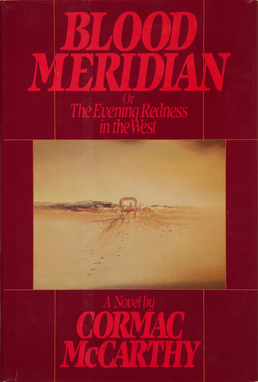
Blood Meridian 1985 

“Based on incidents that took place in the southwestern United States and Mexico around 1850, this novel chronicles the crimes of a band of desperados, with a particular focus on one, “the kid,” a boy of fourteen.” 

All the Pretty Horses 1992 

“Cut off from the life of ranching he has come to love by his grandfather’s death, John Grady Cole flees to Mexico, where he and his two companions embark on a rugged and cruelly idyllic adventure.” 

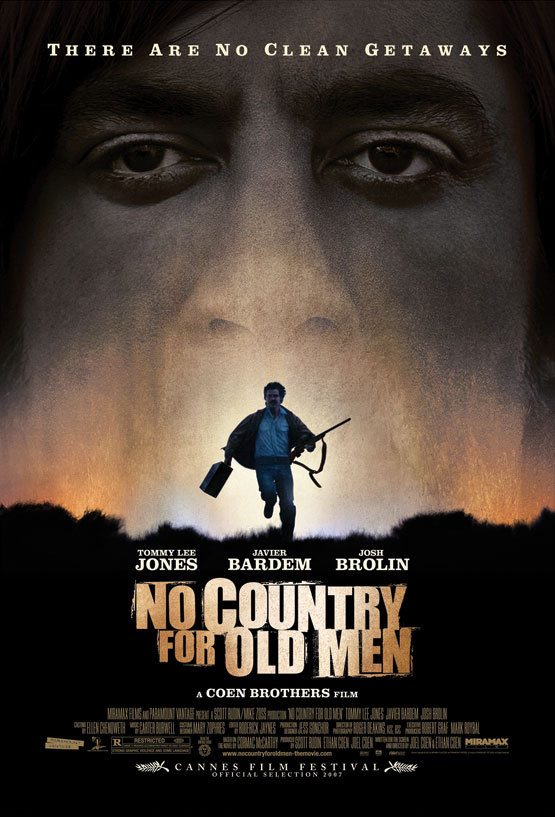
No Country for Old Men 2005 

“Stumbling upon a bloody massacre, a cache of heroin, and more than $2 million in cash during a hunting trip, Llewelyn Moss removes the money, a decision that draws him and his young wife into the middle of a violent confrontation.” 

No Country for Old Men 

This film adaptation was released in 2007, directed by the Coen Brothers. It stars Tommy Lee Jones, Josh Brolin, and Javier Bardem, who won the Academy Award for Best Performance by an Actor in a Supporting Role. The film was nominated for eight Academy Awards and won four. 

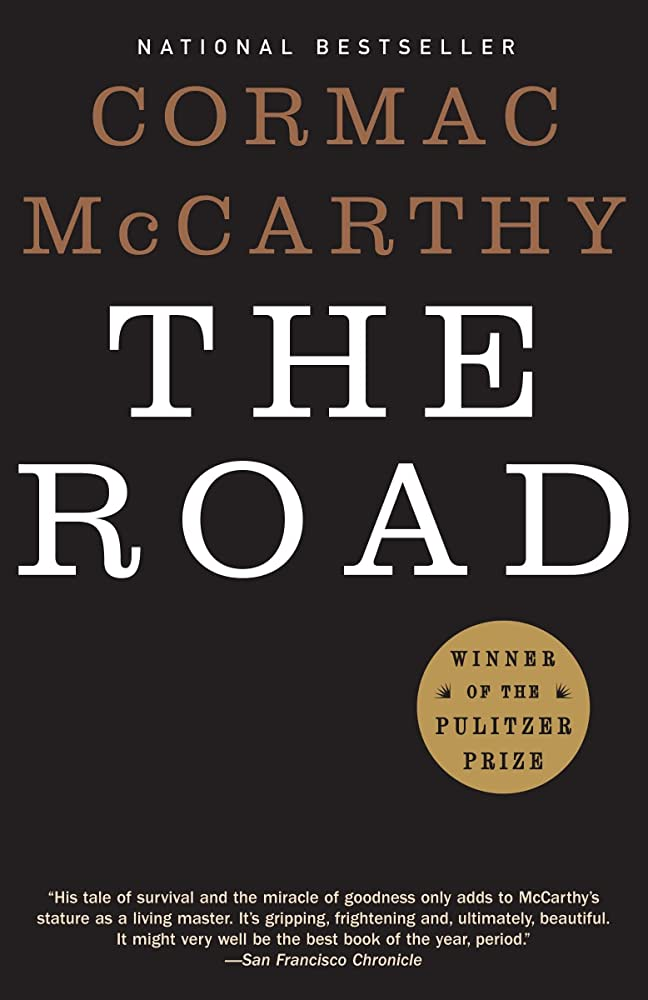
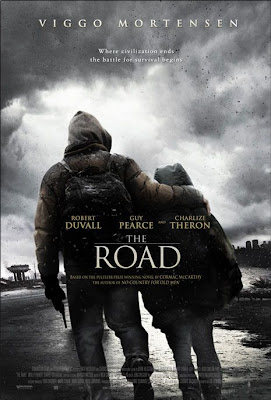
The Road 2006 

“Apocalypse grips the earth; wildlife has disappeared; and starvation prevails. Amidst this bleak backdrop, a man and his young son slowly make their way toward the coast. Avoiding roves of marauding cannibals and fighting off starvation, they gain hope and stamina in knowing they are some of the remaining few virtuous people.” 

The Road 

Viggo Mortensen, Robert Duvall, and Charlize Theron star in this 2009 film adaptation. While it wasn’t nominated for any Academy Awards, it did win a couple film critics awards: Best Cinematography and Best Actor for Viggo Mortensen.  

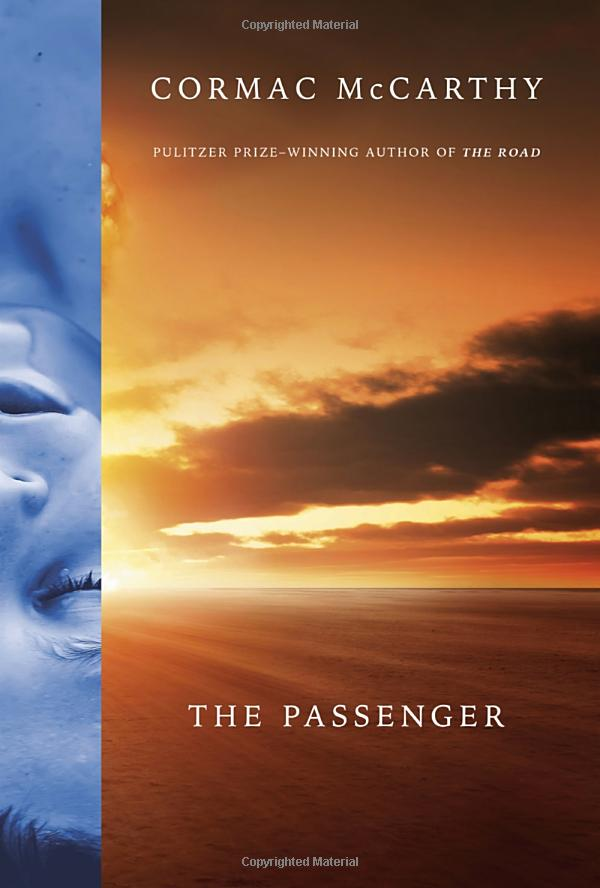
The Passenger 2022 

“In 1980 Pass Christian, Mississippi, salvage diver Bobby Western, after a plane crash, discovers the pilot’s flight bag, the plane’s black box and the tenth passenger are missing, submerging him in a conspiracy beyond his understanding as he is shadowed in body and spirit by the past and present.” 

Stella Maris 2022 

“1972, Black River Falls, Wisconsin: Alicia Western, twenty years old, with forty thousand dollars in a plastic bag, admits herself to the hospital. A doctoral candidate in mathematics at the University of Chicago, Alicia has been diagnosed with paranoid schizophrenia, and she does not want to talk about her brother, Bobby. Instead, she contemplates the nature of madness; she surveys the intersection of physics and philosophy; and she introduces her cohorts, her chimeras, the hallucinations that only she can see. Told entirely through the transcripts of Alicia’s psychiatric sessions, Stella Maris is a philosophical inquiry that questions our notions of God, truth, and existence.” 

-Linnea 

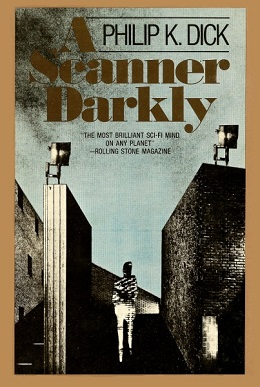
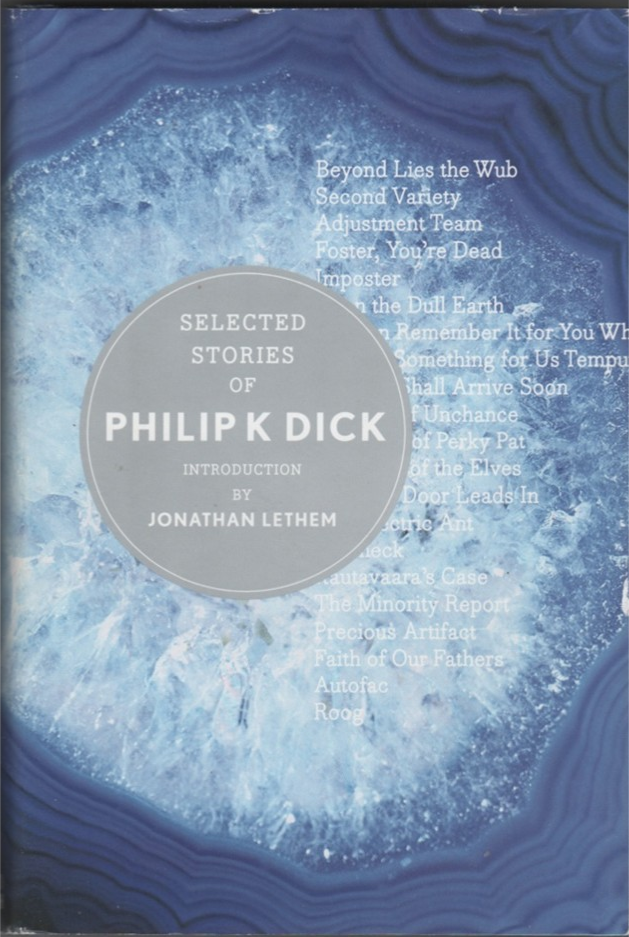
Philip K. Dick

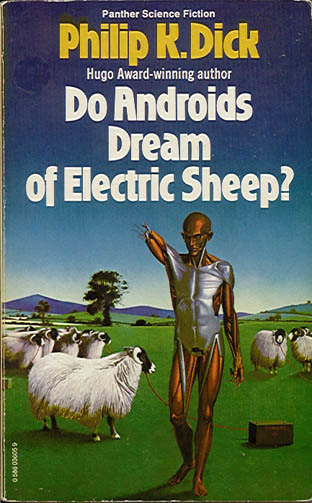
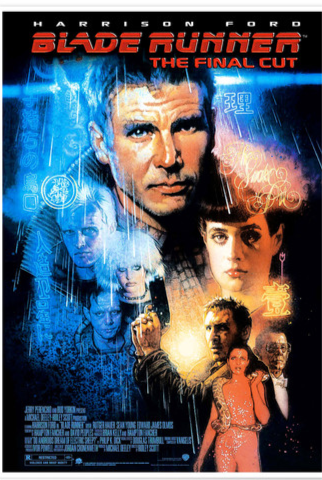
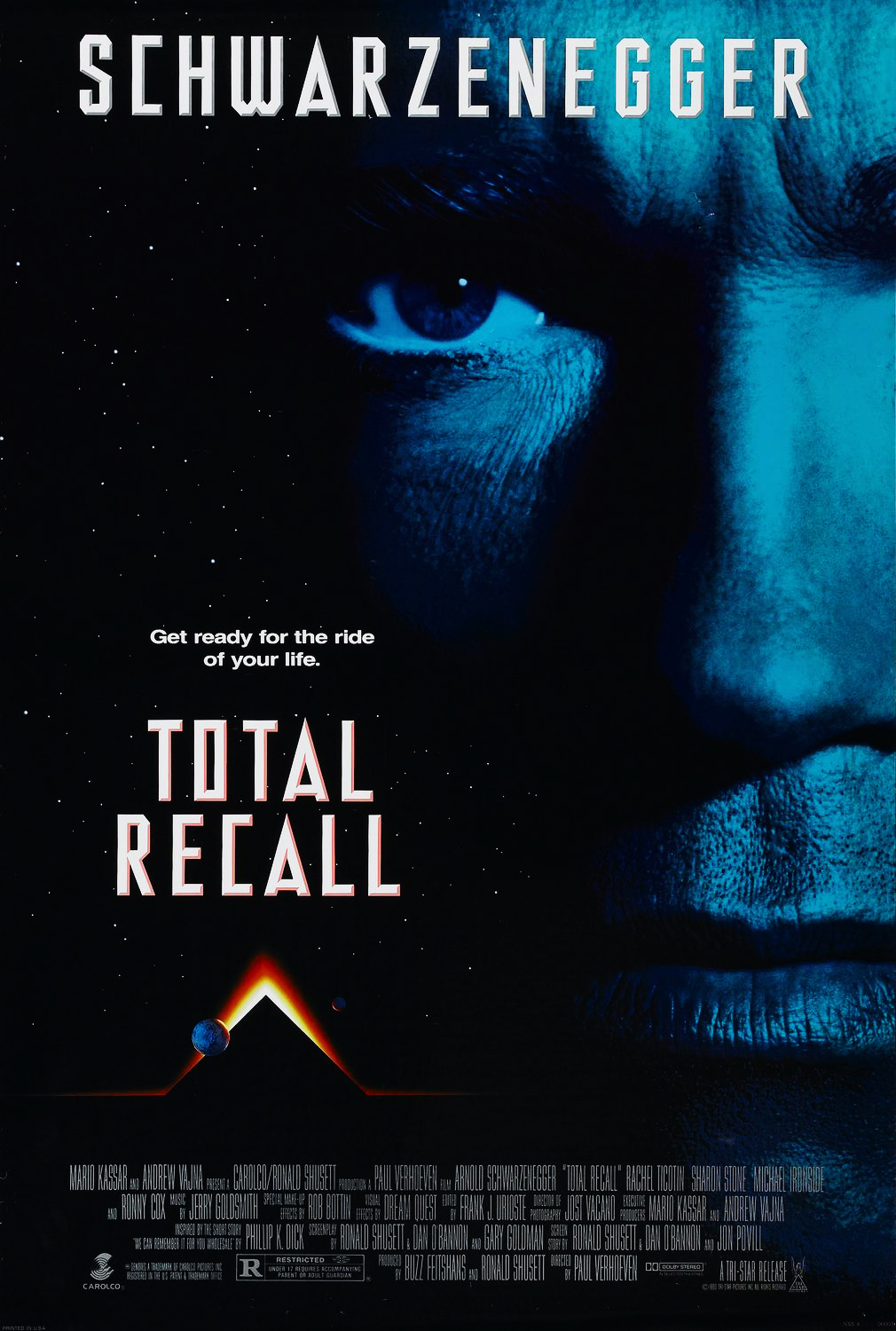
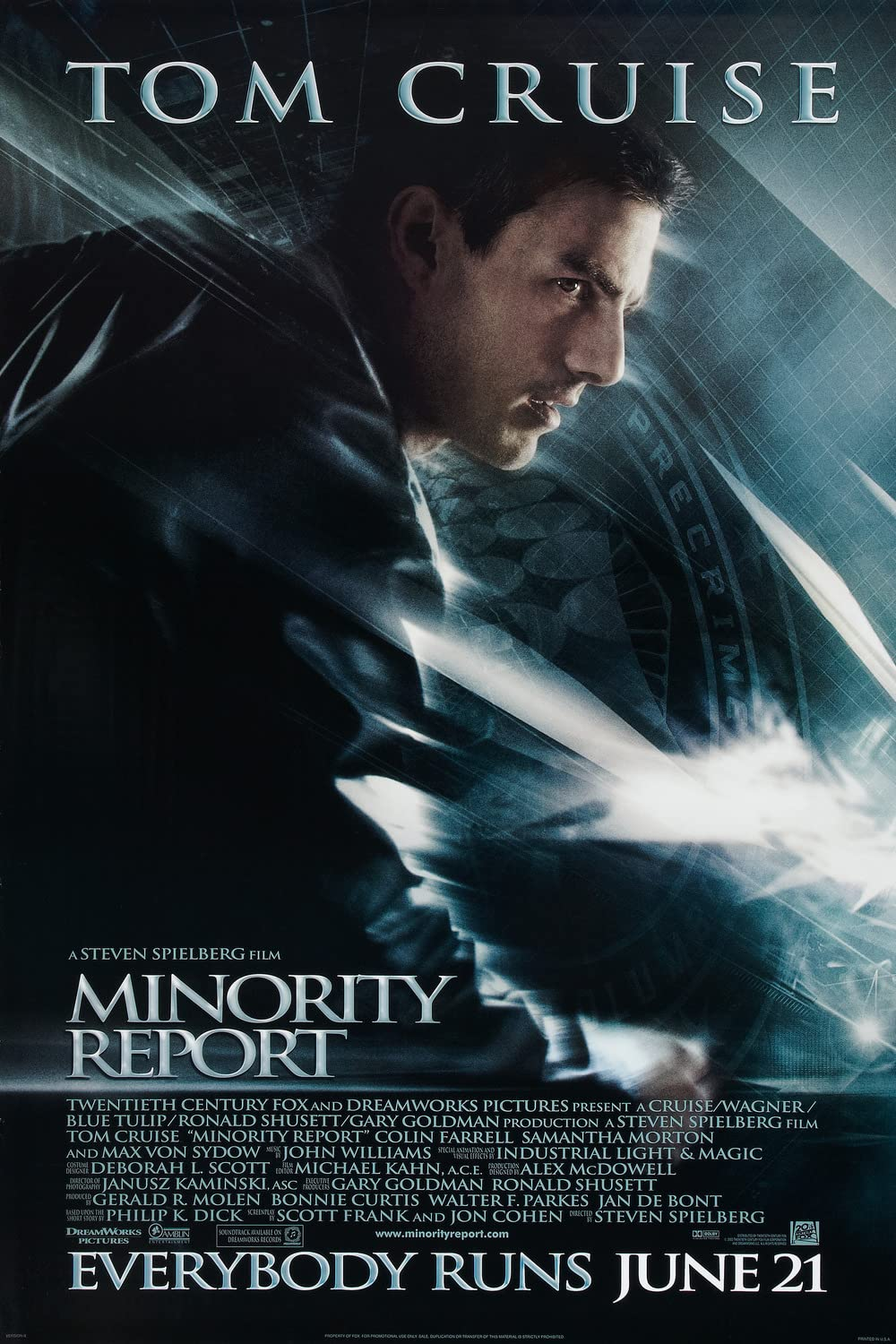
In 1982, Philip K. Dick passed away at the age of 53. He was a well-known author, publishing over 40 works, primarily science fiction. He influenced many authors and filmmakers, and some of his works provided the basis for films such as Blade Runner, Total Recall, and Minority Report. His fiction explored questions on identity, perception, and human nature. Characters often struggled against science fiction elements such as alternate realities, authoritarian governments, and simulacra.  

If you’ve enjoyed films like Donnie Darko, Inception, or The Truman Show, you can thank Philip K. Dick for influencing those filmmakers. And that means you’re ready to dive into some of his own works! 

Do Androids Dream of Electric Sheep? 

Blade Runner 

A Scanner Darkly 

Richard Linklater adapted this novel into a film of the same name

Selected Stories of Philip K. Dick  

This collection includes the short stories that were the basis for the films Total Recall and Minority Report

Total Recall 

Minority Report 

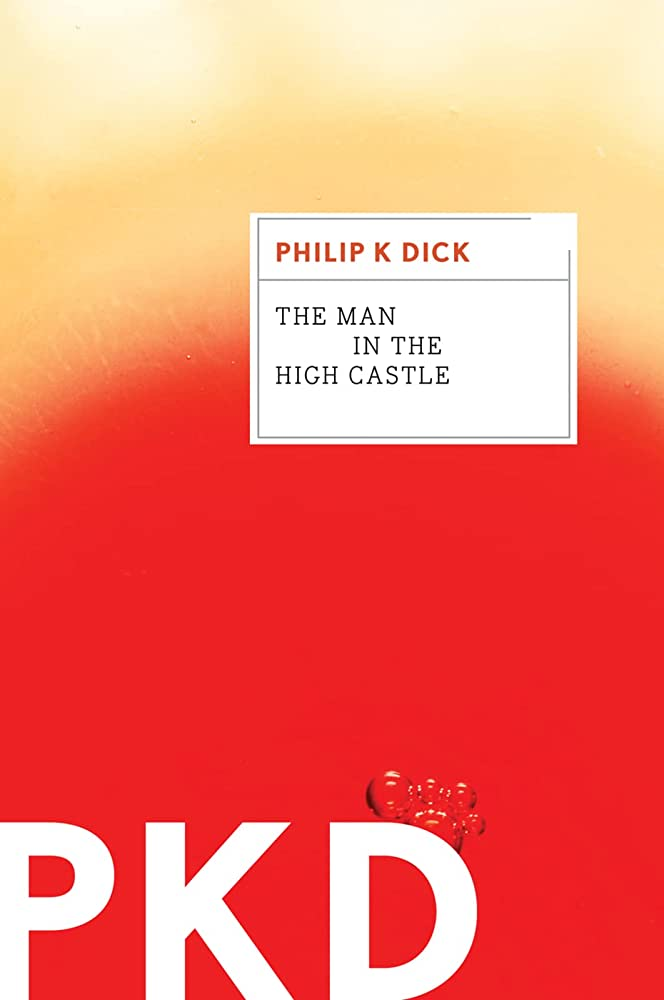
The Man in the High Castle  

-Linnea 

From Page to Screen: Holiday Films

It’s officially time to cozy up with a fluffy blanket and steaming mug to watch your favorite holiday movie. Whether you’re sipping cocoa, tea, or traditional wassail, chances are you have a favorite festive flick that you watch on a yearly basis. Are you a member of the Griswold family? Or do you like hanging out with Buddy the Elf? Perhaps you’d rather spend time with Ralphie and his Red Ryder BB gun.

Before you start your holiday movie marathon, experience one of your favorite holiday stories in a new way! Pick up one of the books that served as the inspiration behind the movies of the season.

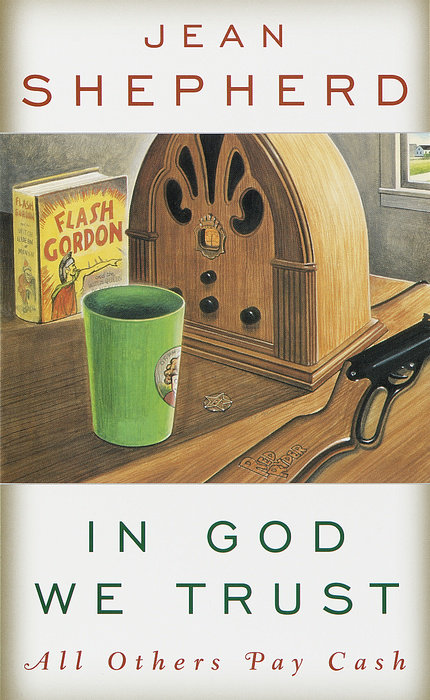
In God We Trust: All Others Pay Cash by Jean Shepherd

In God We Trust disproves the adage “You can never go back.” Bending the ear of Flick, his childhood-buddy-turned-bartender, Shepherd recalls passionately his genuine Red Ryder BB gun, confesses adolescent failure in the arms of Junie Jo Prewitt, and relives a story of man against fish that not even Hemingway could rival. From pop art to the World’s Fair, Shepherd’s subjects speak with a universal irony and are deeply and unabashedly grounded in American Midwestern life, together rendering a wonderfully nostalgic impression of a more innocent era when life was good, fun was clean, and station wagons roamed the earth.

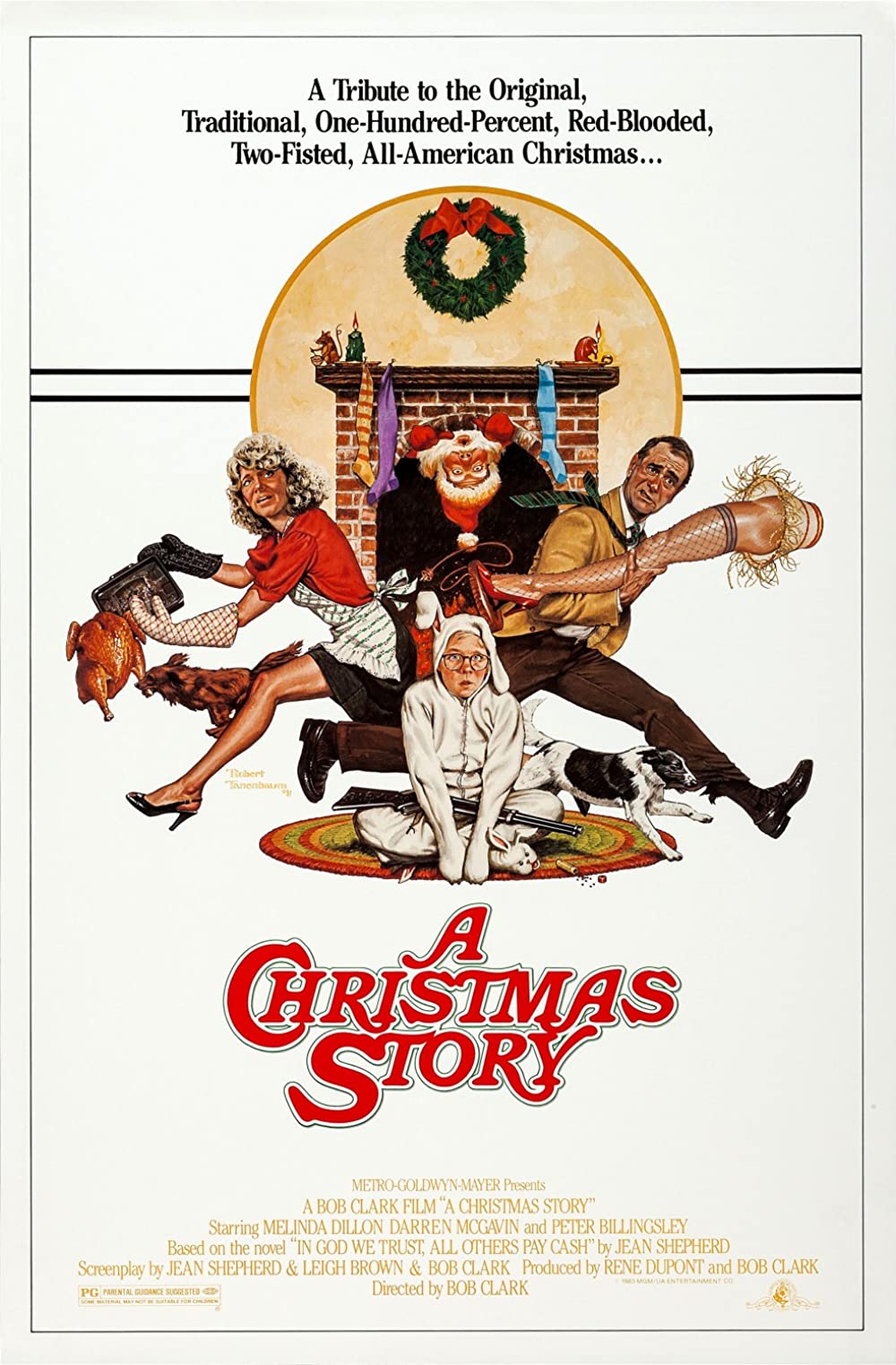
This book is the inspiration behind the movie A Christmas Story.

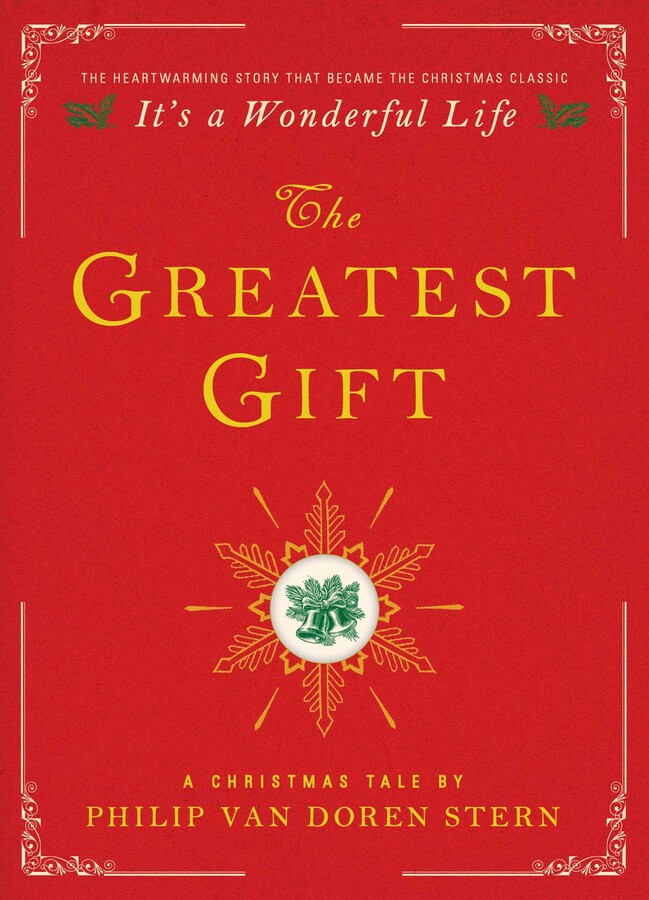
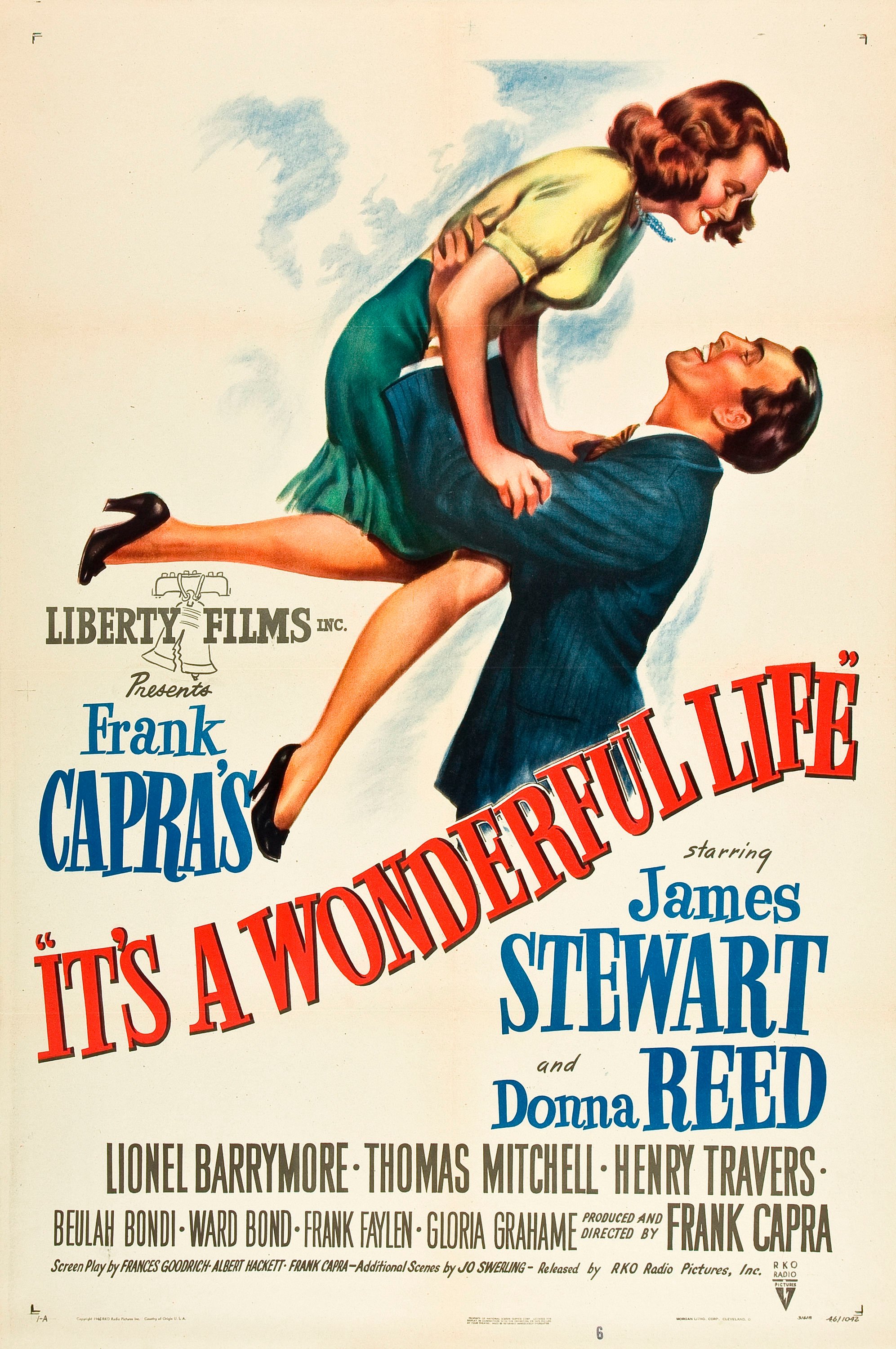
The Greatest Gift by Philip Van Doren Stern

Unable at first to find a publisher for his evocative tale about a man named George Pratt who ponders suicide until he receives an opportunity to see what the world would be like without him, Stern ultimately published the story in a small pamphlet and sent it out as his 1943 Christmas card. One of those 200 cards found its way into the hands of Frank Capra, who shared it with Jimmy Stewart, and the film that resulted became the holiday tradition we cherish today.

This book is the inspiration behind the movie It’s A Wonderful Life.

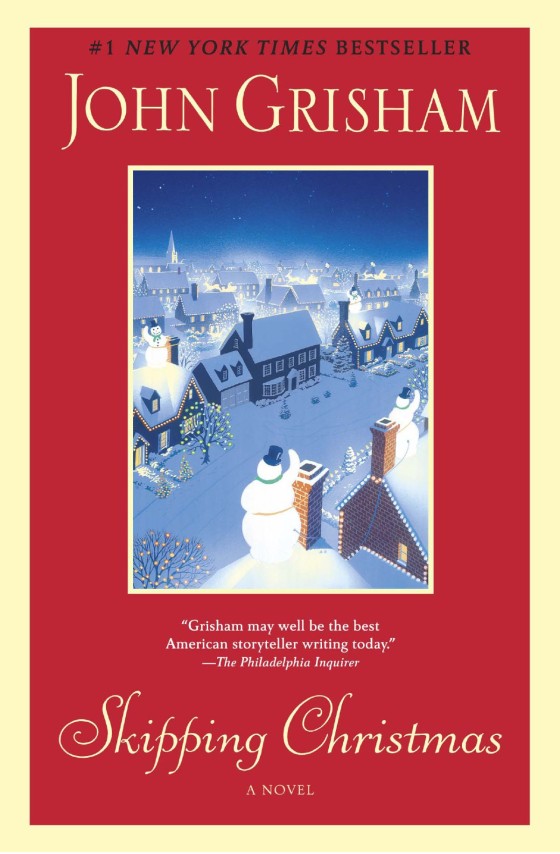
Skipping Christmas by John Grisham

Imagine a year without Christmas. No crowded malls, no corny office parties, no fruitcakes, no unwanted presents. That’s just what Luther and Nora Krank have in mind when they decide that, just this once, they’ll skip the holiday altogether. Theirs will be the only house on Hemlock Street without a rooftop Frosty, they won’t be hosting their annual Christmas Eve bash, they aren’t even going to have a tree. They won’t need one, because come December 25 they’re setting sail on a Caribbean cruise. But as this weary couple is about to discover, skipping Christmas brings enormous consequences–and isn’t half as easy as they’d imagined.

This book is the inspiration behind the movie Christmas with the Kranks.

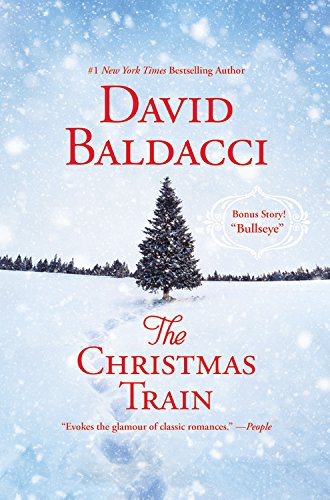
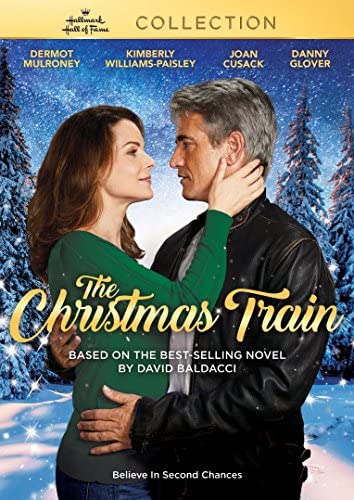
The Christmas Train by David Baldacci

Disillusioned journalist Tom Langdon must get from Washington to Los Angeles in time for Christmas. Forced to travel by train, he begins a journey of rude awakenings, thrilling adventures, and holiday magic. He has no idea that the locomotives pulling him across America will actually take him into the rugged terrain of his own heart, as he rediscovers people’s essential goodness and someone very special he believed he had lost.

This book is the inspiration behind the movie The Christmas Train.

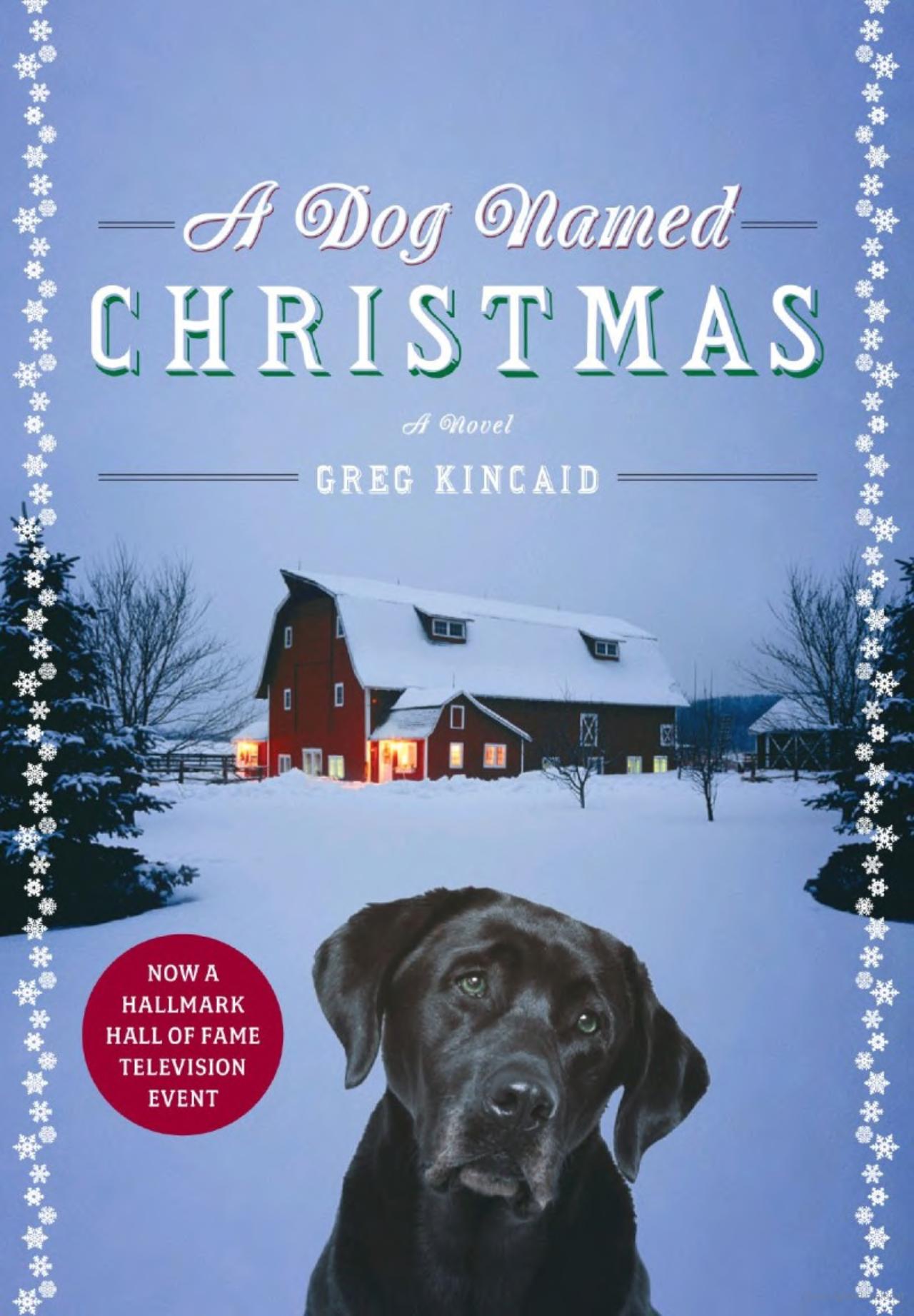
A Dog Named Christmas by Greg Kincaid

When Todd McCray hears that a local animal shelter is seeking temporary homes for its dogs during the days leading to Christmas, he knows exactly what he wants for the holidays. His father objects, but Todd’s persistence quickly wins out. Soon the McCrays are the short-term foster family for a lovable pooch the young man names Christmas.

This book is the inspiration behind the movie A Dog Named Christmas.

Happy holidays!

-Melinda

Live from New York, it’s Saturday night! 

Okay, maybe we’re in Cleveland. And maybe it’s Thursday. But it is Lorne Michaels’ birthday, the creator of the beloved series Saturday Night Live. Through showrunner changes, controversial sketches, and the COVID-19 pandemic, SNL has remained a mainstay in many households. For some, it’s how they learn about a hot new band; for others, it’s how they learn about the latest political scandal. And while the number of laughs per season may ebb and flow, comedy remains a focal point of the show.  

Many adored comedians have done their turn on the SNL stage. Chevy Chase, Eddie Murphy, Dan Aykroyd, Maya Rudolph, John Belushi, Leslie Jones—the list goes on and on. Even though our favorite stars come and go, they’ve kept the content coming. 

Whether you’re waxing nostalgic for the old days or just want to revisit some of the funny people you’ve only seen on SNL, here are some materials to check out that will hopefully satisfy your sense of humor. 

Tina Fey 

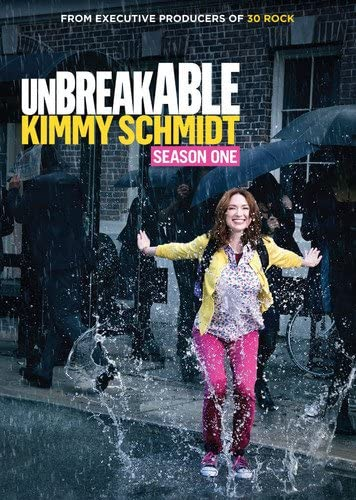
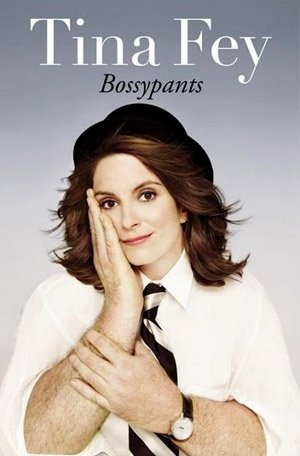
Tina Fey starred on, wrote for, and hosted SNL for numerous years. After her nine years on SNL, she went on to create hit shows like 30 Rock and Unbreakable Kimmy Schmidt. She’s received Emmy’s, Golden Globes, Screen Actors Guild Awards, Writers Guild Awards, and was even nominated for a Grammy and Tony. Her memoir, Bossypants, was a huge hit, staying true to her comedy bona fides. 

Eddie Murphy 

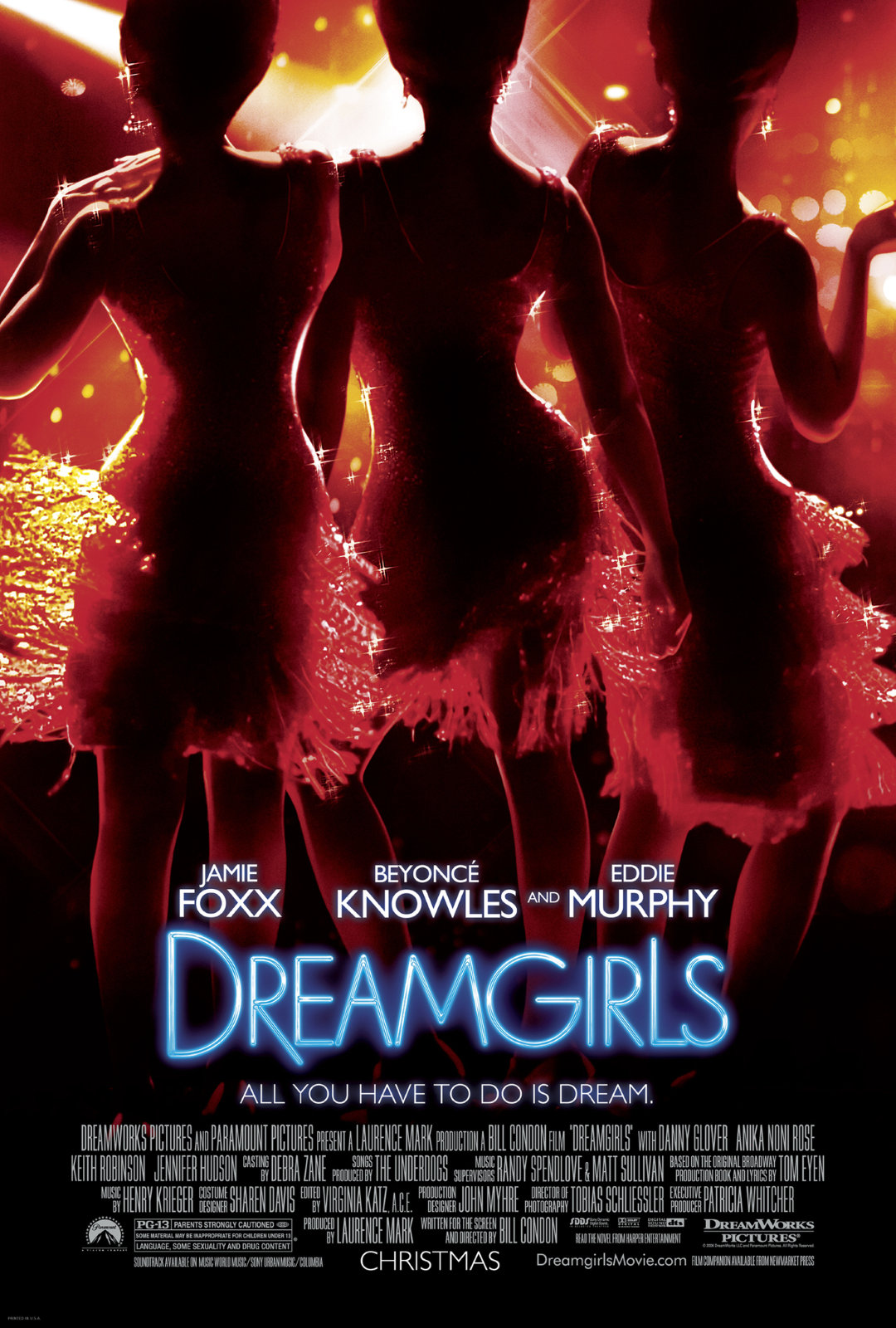
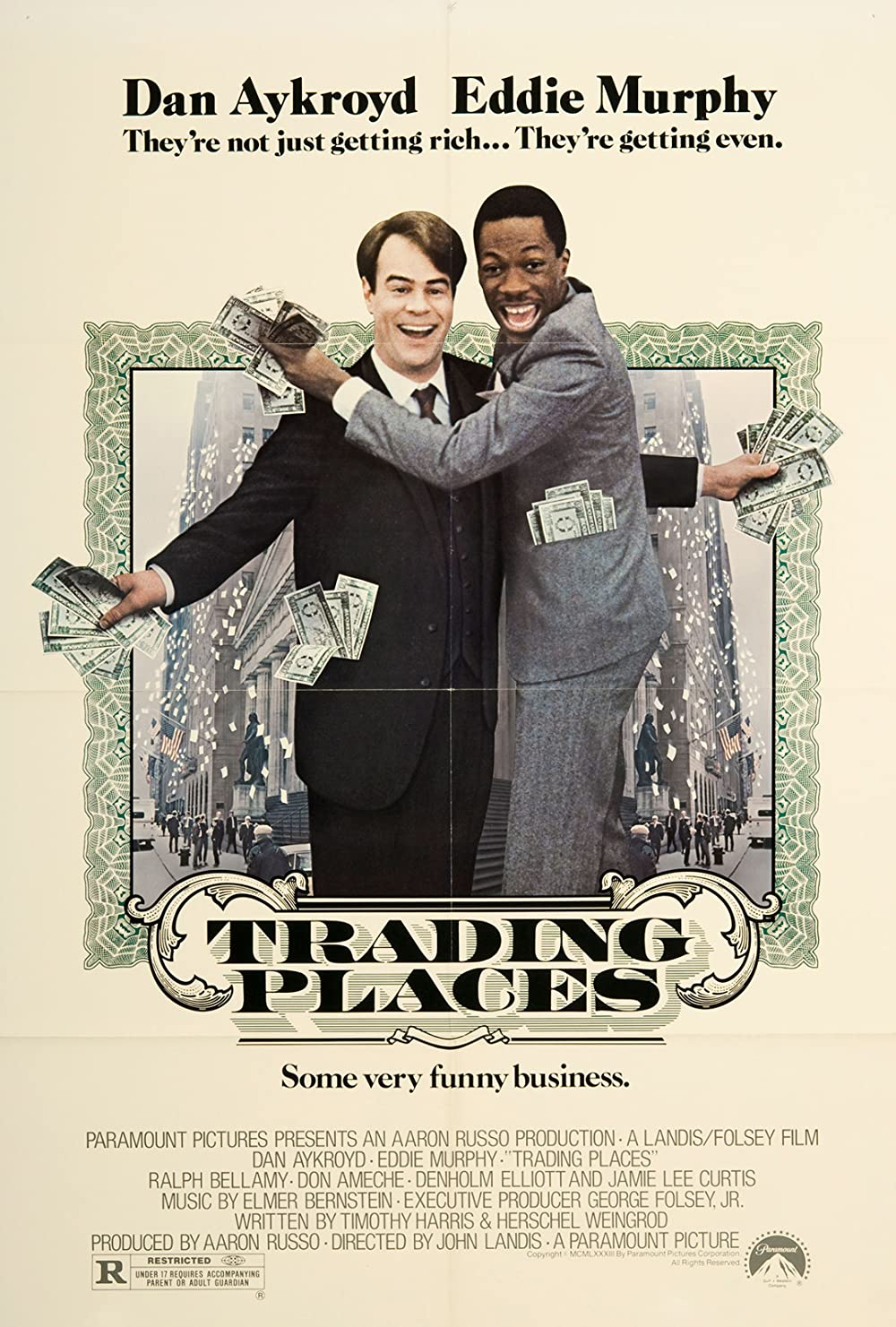
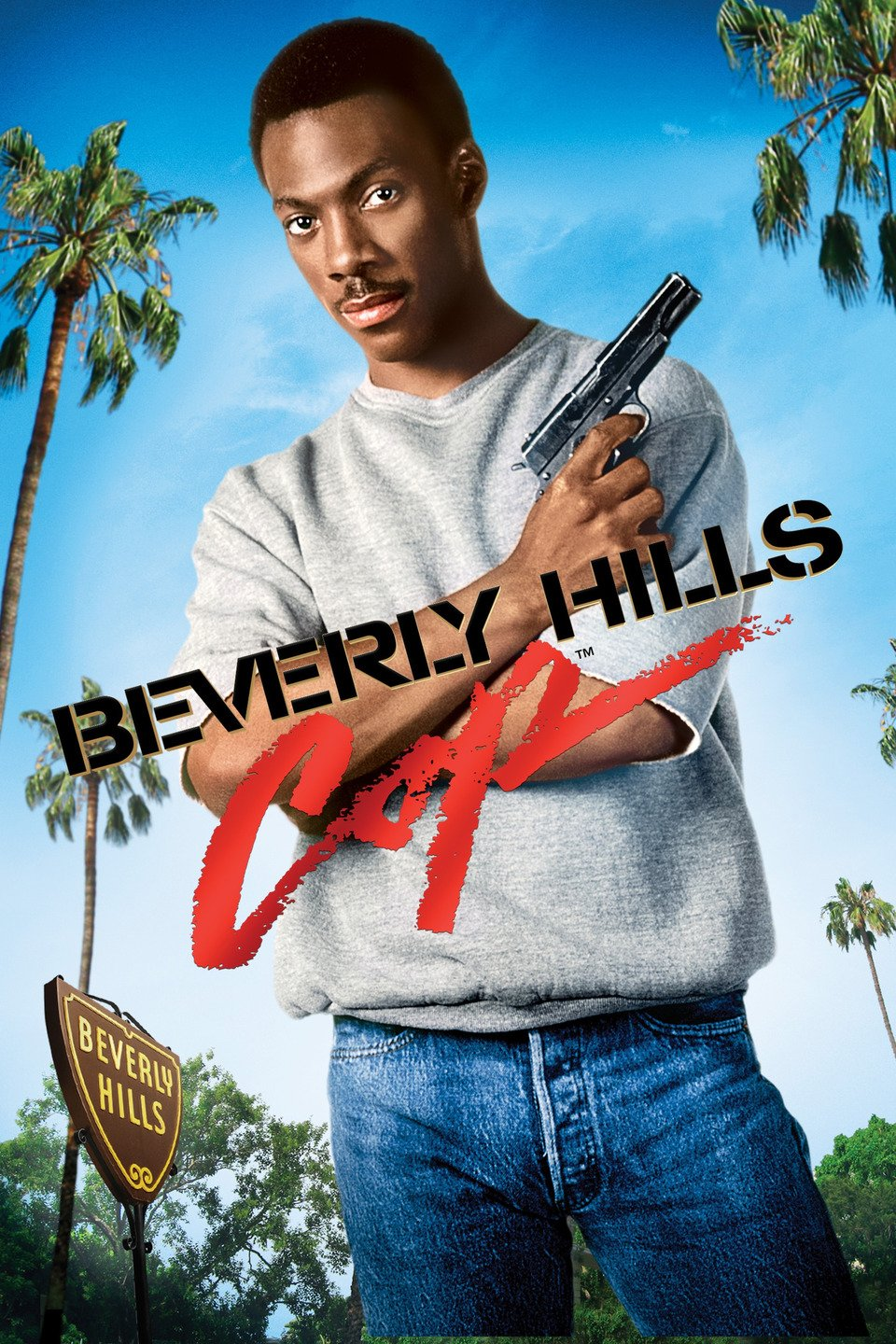
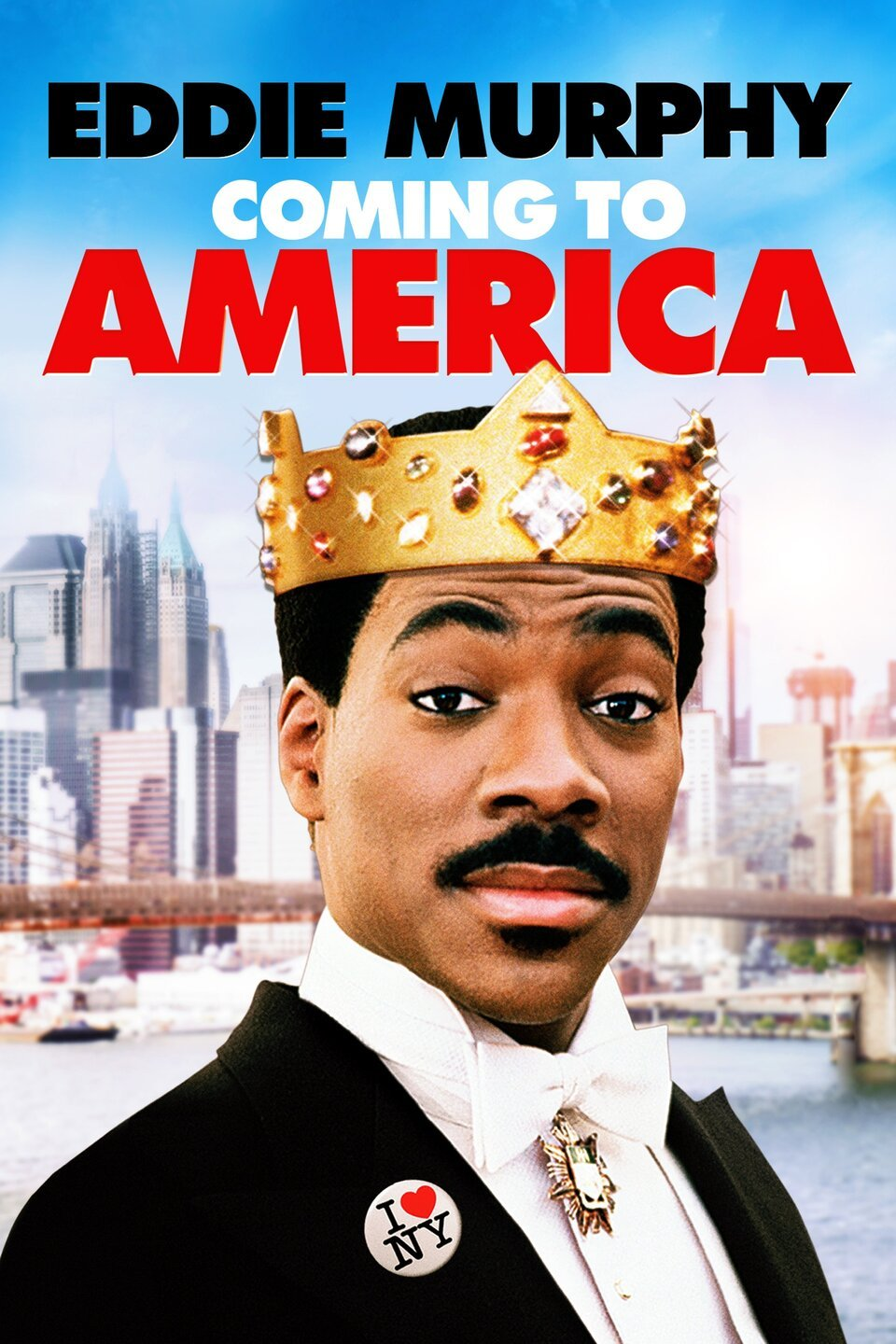
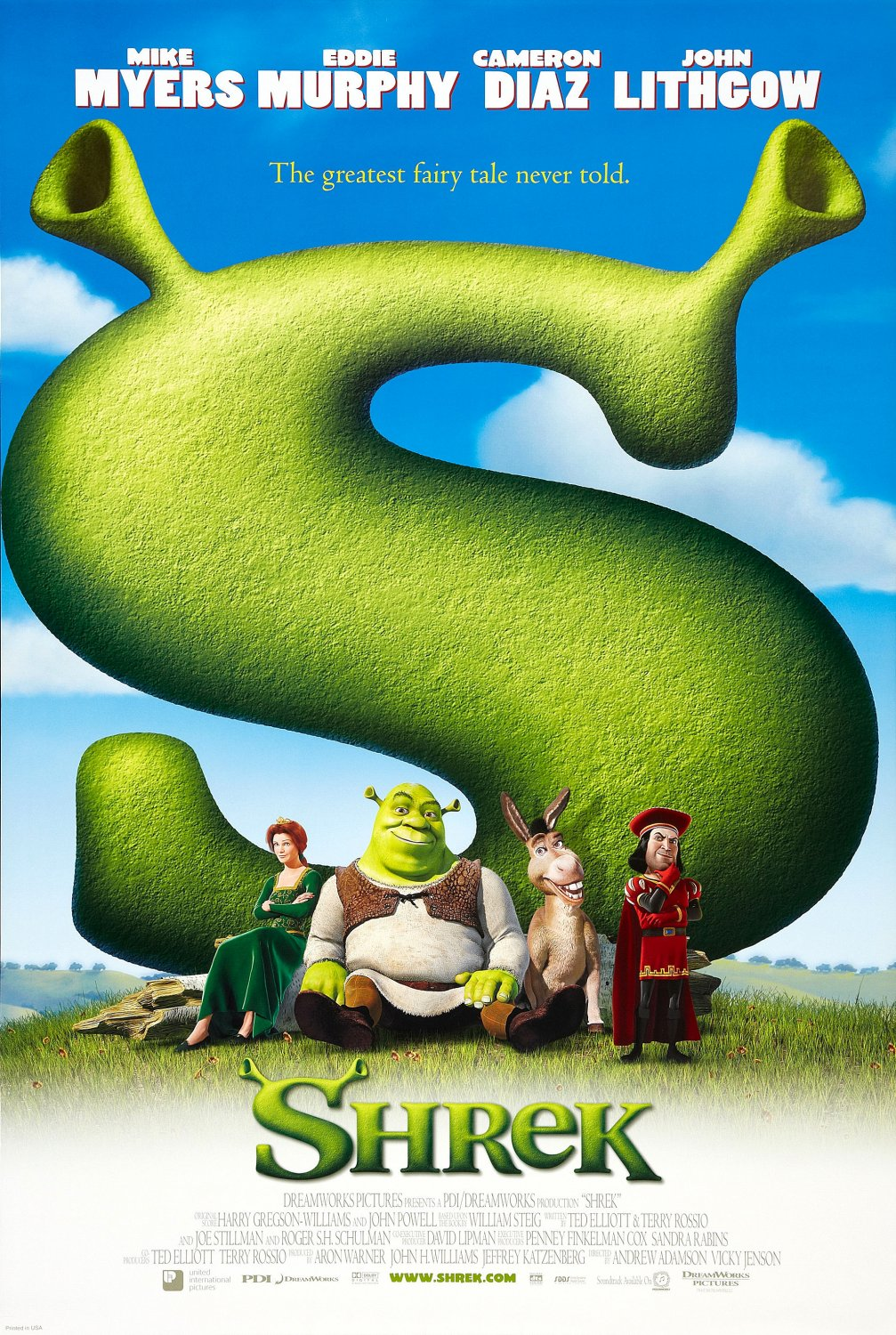
Credited with saving SNL from cancellation, Eddie Murphy’s genius is practically unmatched. He has had quite the career, from voice acting to singing to stand-up to dramas and back to comedy. He has won numerous awards, including a Golden Globe for Best Supporting Actor for Dreamgirls, an NAACP Image Award for Trading Places, and People’s Choice Awards for Beverly Hills Cop, Coming to America, and Shrek.  

Will Ferrell 

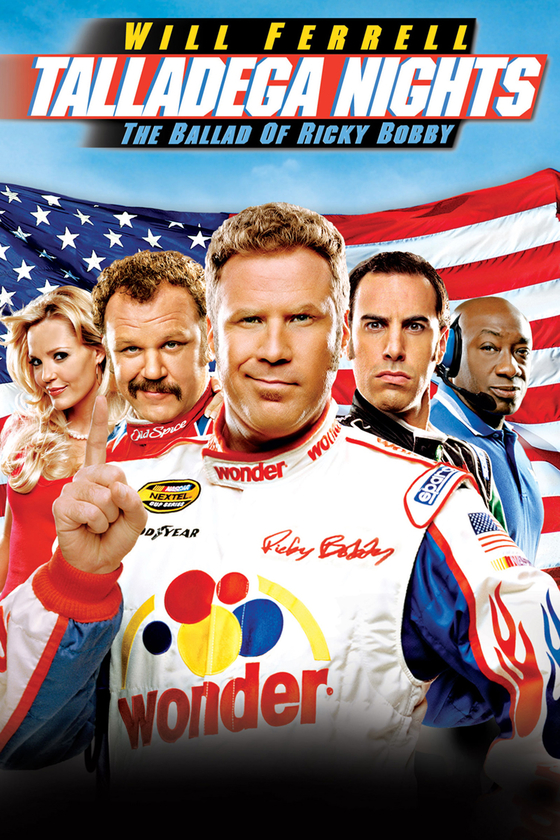
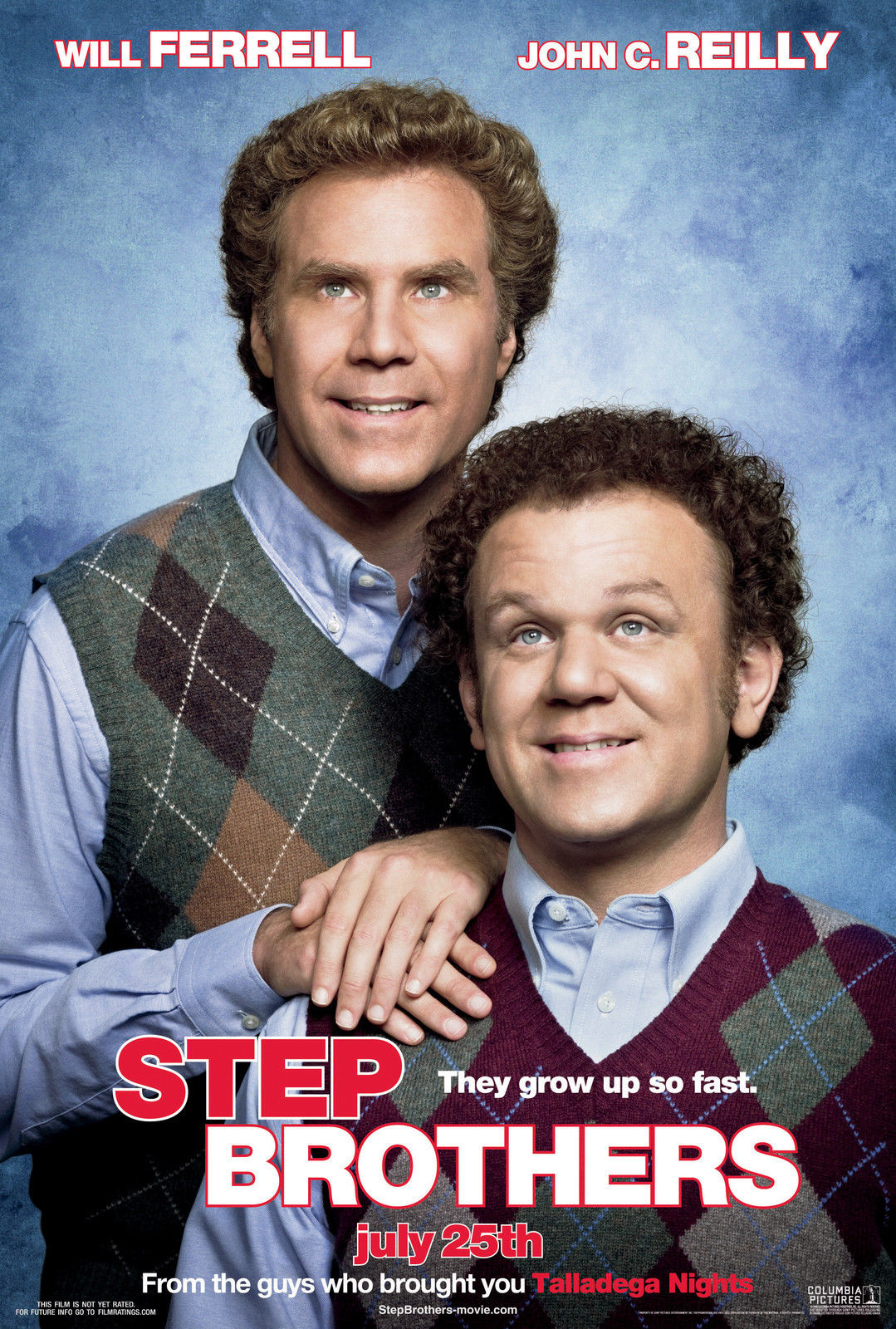
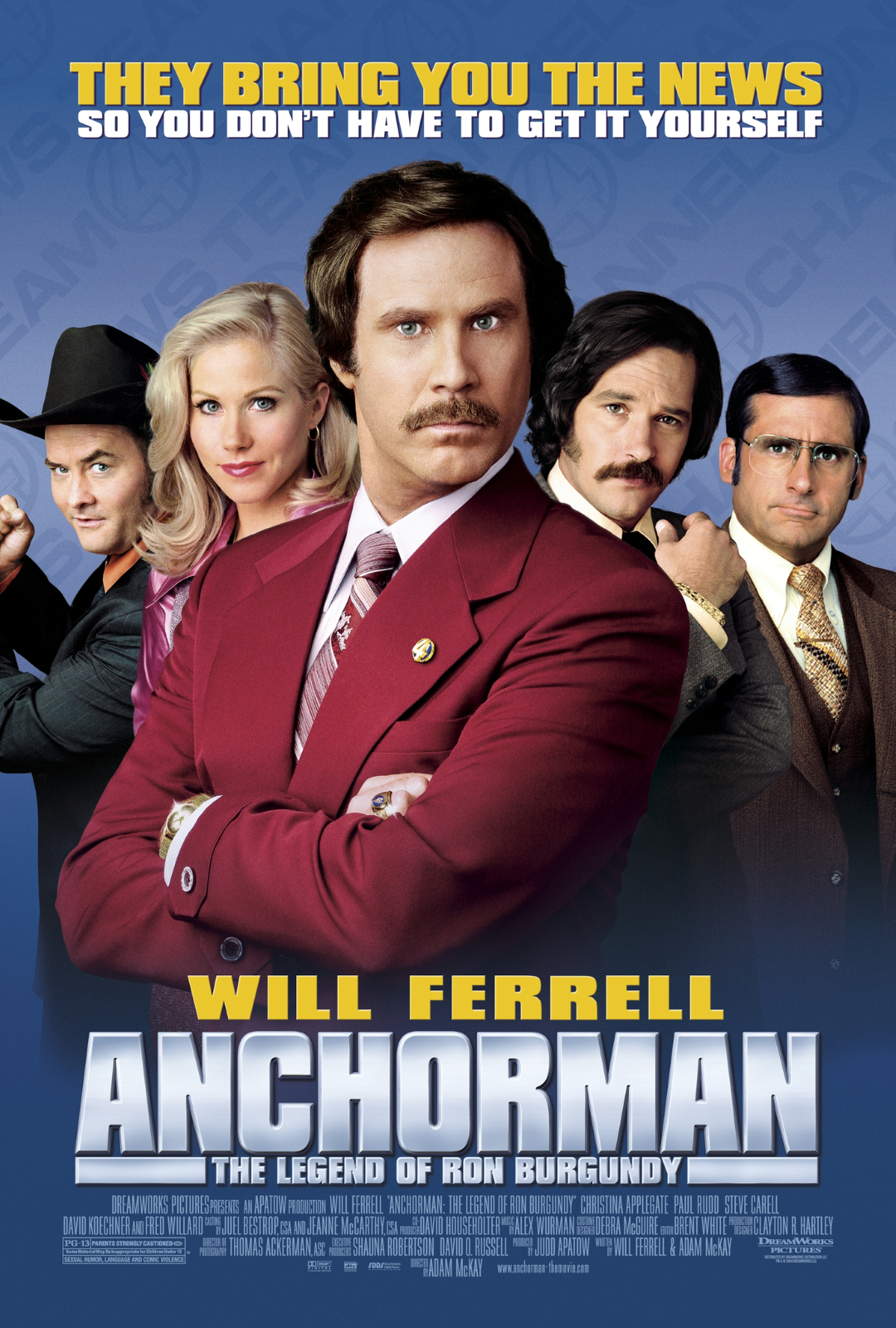
Will Ferrell made a name for himself on SNL, starting in 1995 on season 21. Since leaving SNL after seven years, he’s acted in many comedic movies, many written and directed by former SNL writer Adam McKay. Talladega Nights: The Ballad of Ricky Bobby, Step Brothers, and Anchorman: The Legend of Ron Burgandy are all classic comedies you’d expect from the inimitable Will Ferrell.  

Gilda Radner 

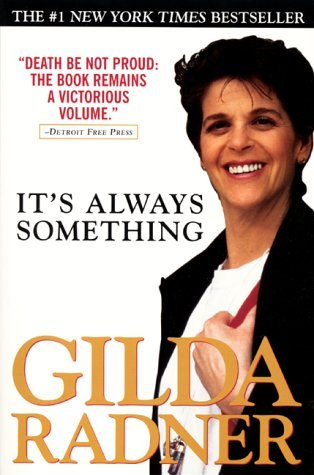
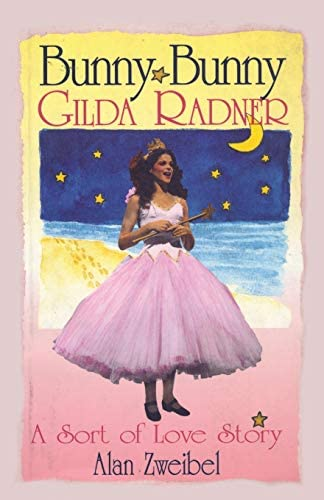
One of the first cast members, Gilda Radner was an accomplished impressionist. After five years on SNL, she left for other pursuits. Unfortunately, she was diagnosed with ovarian cancer and passed away at the age of 42 in 1989 after an extremely tough battle. She wrote a memoir, It’s Always Something, in 1989, a few months before her death, detailing her struggles and successes. Alan Zweibel, a former writer for SNL, wrote a biography for Gilda, sharing stories of their friendship that began on the SNL set and endured until her death. 

Chevy Chase 

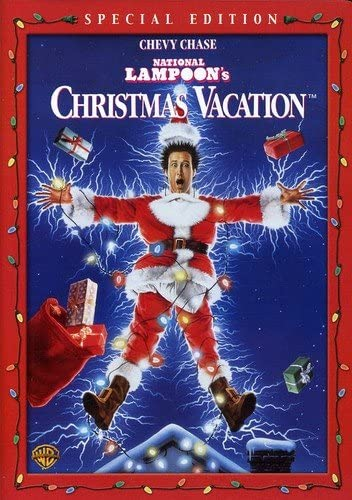
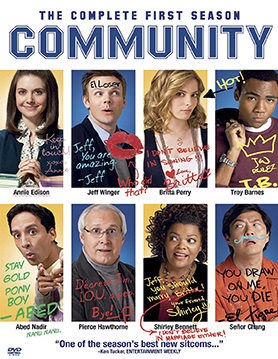
One of the original cast members, Chevy Chase was also the first cast member to be banned from SNL (though he has appeared in sketches since, so perhaps the ban is not so strict). His comedic chops have been proven time and time again, from the classic National Lampoon’s Christmas Vacation to the more recent television show Community

Kenan Thompson 

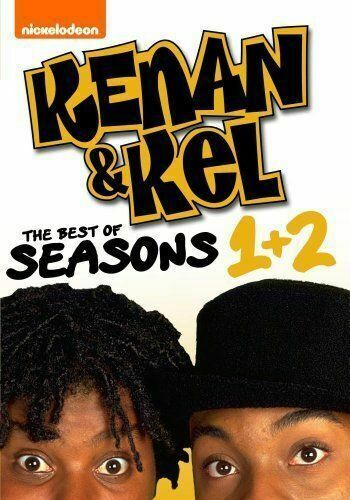
Kenan Thompson started on SNL in 2003 and has become the longest-tenured cast member in the show’s history. Other than SNL, he is probably most known for his time on the Nickelodeon show Kenan and Kel. The pair also starred in the delightful movie Good Burger together in 1997. While not for all senses of humor, it certainly appeals to anyone craving some ridiculous 90s comedy. 

-Linnea