The week of October 4-10 is World Space Week, an international celebration of science and technology, and how those have contributed to the betterment of humanity. The dates were chosen to commemorate the anniversary of the launch of the first human-made Earth satellite, Sputnik 1 on October 4, 1957, and the signing of the Treaty on Principles Governing the Activities of States in the Exploration and Peaceful Uses of Outer Space, including the Moon and Other Celestial Bodies on October 10, 1967.
To celebrate, enjoy this list of space themed books, whether you like true accounts or imaginative tales, hopefully you find something that sparks a sense of wonder.
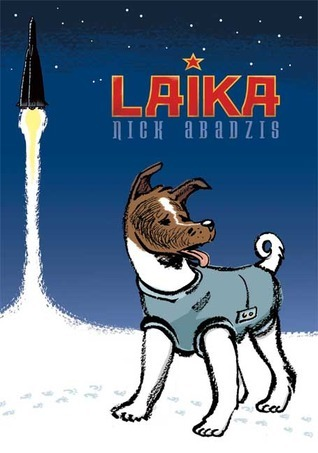
On this day in 1957, the Soviet Union launched its second artificial satellite, Sputnik 2, about one month after the launch of Sputnik. Included on this journey was the first animal launched to orbit the Earth, a dog named Laika. Afraid they had fallen behind as the Cold War raged on, the United States picked up its space and weapons programs. In 1958, the National Aeronautics and Space Administration (NASA) was created. The United States and the Soviet Union continued to send spacecrafts into space, to orbit the Earth, and eventually sending humans as well. The Soviet Union was first, with Yuri Gagarin in 1961. And then in 1969, the United States successfully landed on the moon, thus “winning” the space race.
Want to delve deeper into this intense period of time? Here’s a list to get you started!
This graphic novel melds fact and fiction about the first animal to go into space, aboard Sputnik 2. Told from multiple viewpoints, this is a tender interpretation of Laika’s journey.
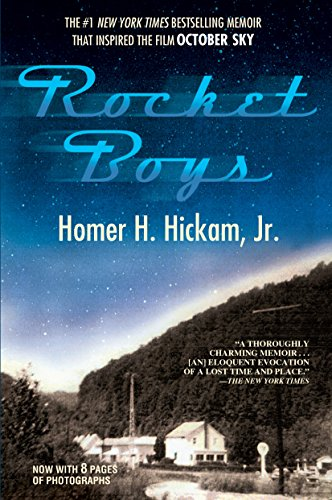
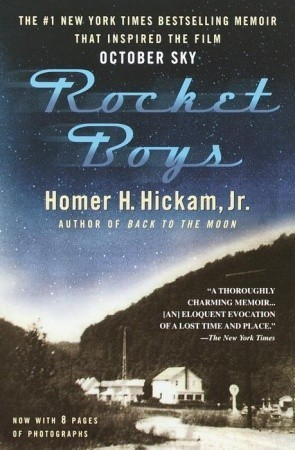
Inspired by the launch of Sputnik, Homer Hickam and his high school friends set off to create their own rockets in their small town of Coalwood, West Virginia. This is a classic coming-of-age memoir, filled with rich storytelling and universal themes of class, family, and friendship. And if you’d rather watch than read, the film October Sky with Jake Gyllenhaal and Laura Dern is a wonderful adaptation.
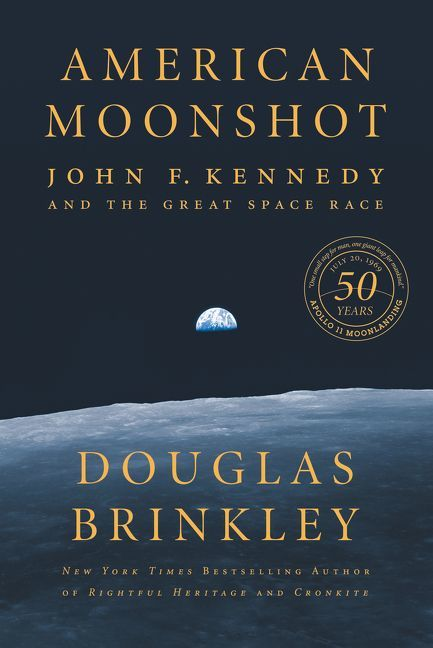
For a more in-depth look at the moon landing of 1969, Douglas Brinkley’s got you covered. Full of primary sources, this book showcases all the minds that contributed to make landing on the moon a reality.
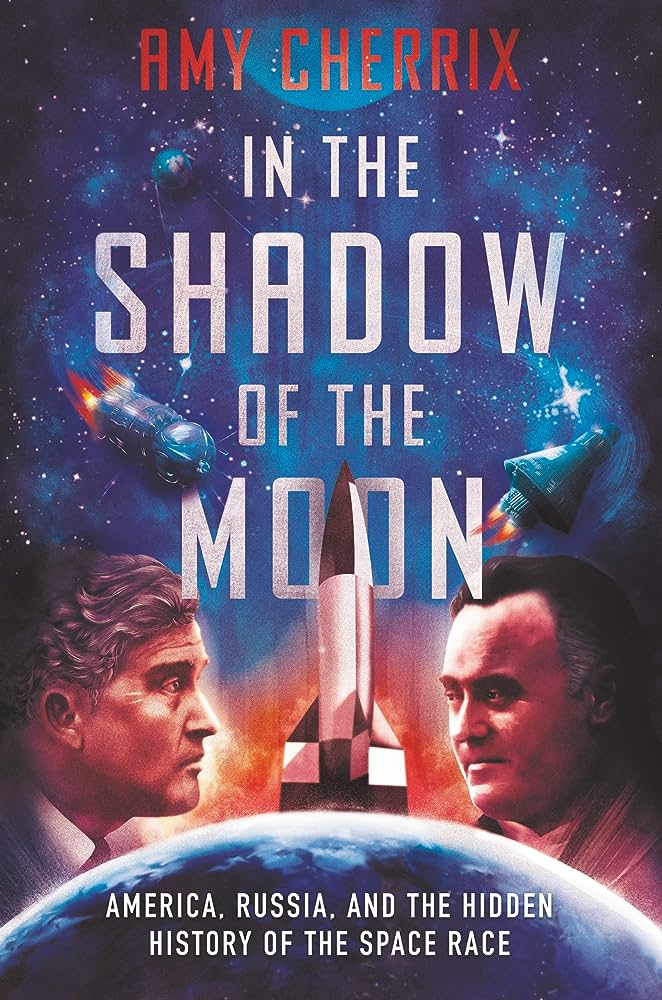
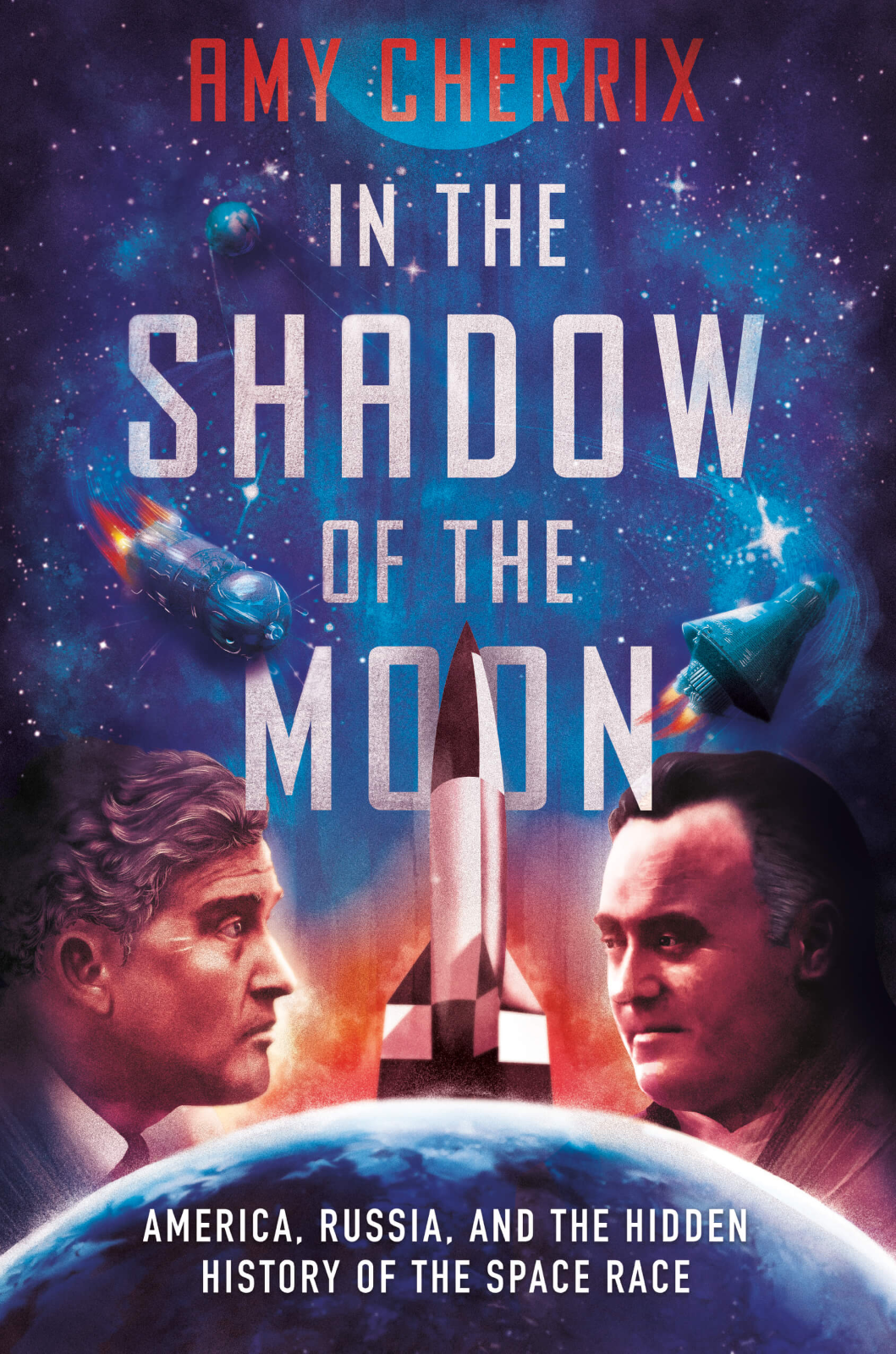
On opposite sides of the world, two engineers are working to make space exploration possible. Amy E. Cherrix provides two biographies of the men that changed what we thought was feasible. Wernher von Braun, a Nazi officer living in the United States, and Sergei Korolev, a former prisoner turned Soviet rocket designer, both worked in their respective countries to achieve greatness.
This documentary from the History Channel examines multiple facets of the space race, from the Sputnik launches to international relations to broader aspects of the space race and Cold War.
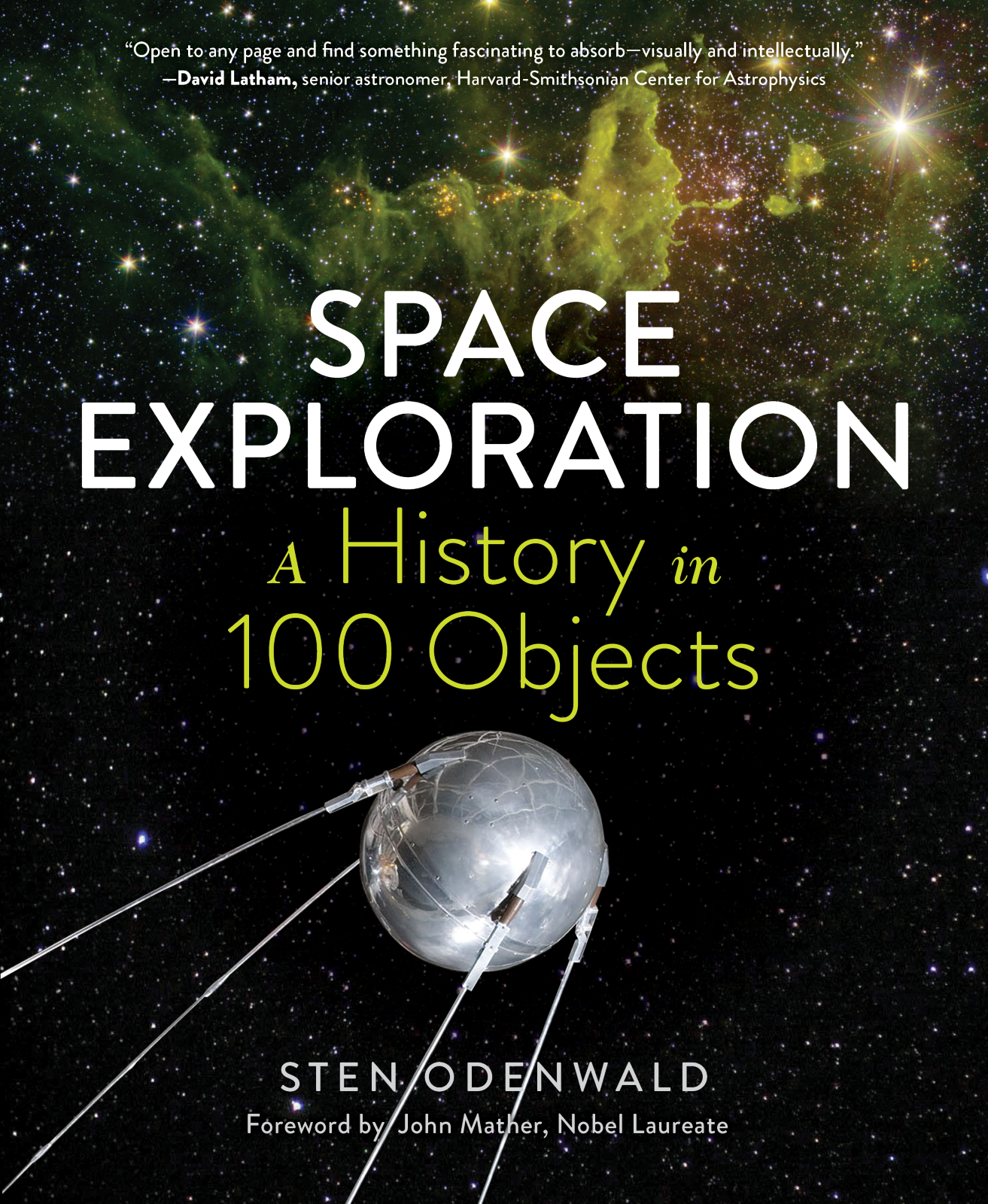
For a more general introduction and understanding of the history of space exploration, Sten Odenwald has compiled an excellent collection of objects. From the O-ring that doomed the Challenger in 1986 to Galileo’s telescope, this is a wonderful resource to track the advancement in space exploration and technology.





 Read it or Weep