Part Three- 1935 The Parts That Really Matter. Chapters Nine, Ten, Eleven, and Twelve.
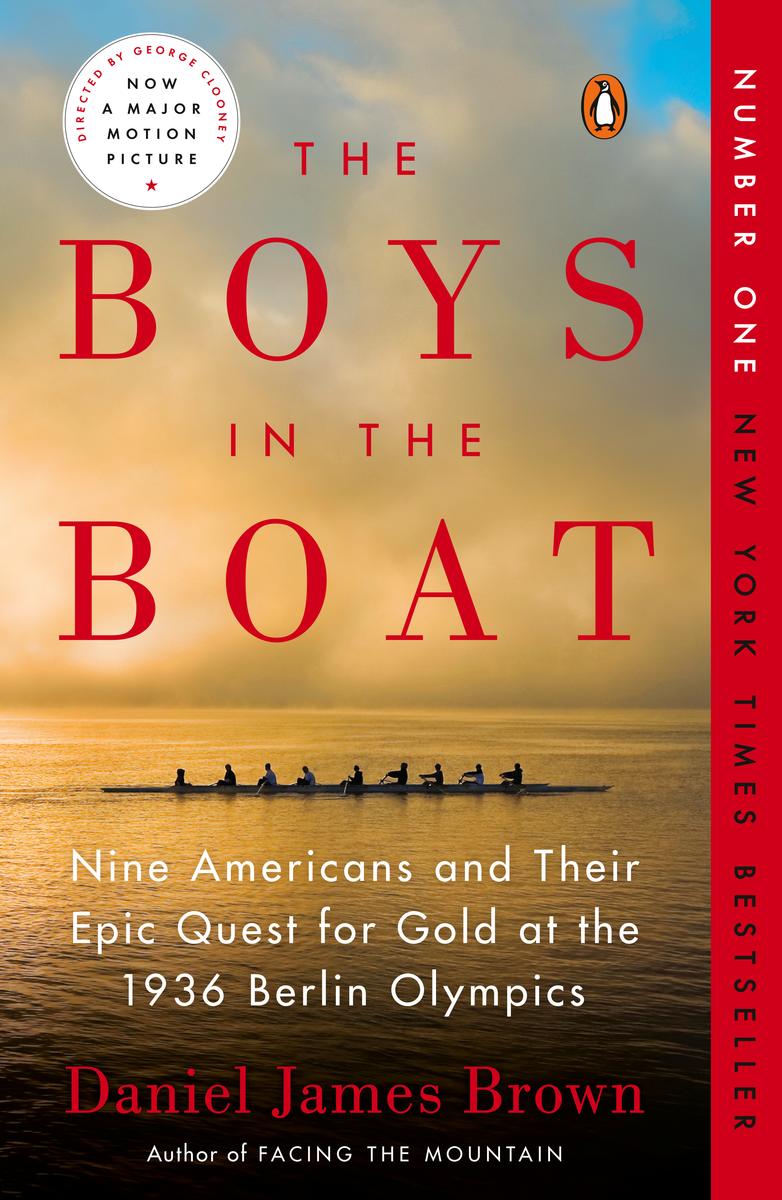
In this part, we really start to see some storylines coming together. The goal stated on January 14th of 1935 declared they would forgo normal training with hopes to go to the Olympics the following year. This sets a different tone as these rowers have in the span of a year gone from fighting for a spot on the freshman team to working towards becoming Olympic champions. We really don’t hear much about what the boys and Joe were thinking about this other than their stress. We see their struggle from the perspective of Ulbrickson and his personal struggle. As much as he wanted to recapture the magic from the Poughkeepsie freshman race of the previous year, the sophomore team just wasn’t predictable. I’ve had problems, particularly with machines where sometimes they’ll work and other times they won’t. I understand to some extent the frustration of seeing the sophomores row well sometimes and other times struggle to keep up with the older students.
The buildup and the excitement for the races in this part are exhilarating. With the sophomores assigned to the varsity boat, they consistently win the races. They don’t consistently beat the older boys though. So when it comes to this year’s competition at Poughkeepsie, the older boys get to race as the varsity only to lose. The older boys lose the varsity race at Poughkeepsie and lose the 2000 meter exhibition run. With 2000 meters being the Olympic length, it must have really hurt their morale. The University of Washington seemed to have the raw talent, but they struggled to create a proper team to prove they deserved a shot at the Olympics.
Joe’s personal life is still very tumultuous at this point. Joe finds where his family has been living, is rejected by Thula again, secretly visits his siblings, Thula dies, and his father suggests they live together again. Joe’s personal life feels like a whirlwind. It’s hard to imagine being a young man with all this family drama, struggling to pay for your tuition, and still managing to find time to be on the crew team as well as date Joyce. We get a better understanding of the other boys on the crew team as Joe sees them in a more humanizing light outside of crew. Joe starts to develop a connection with George Pocock as the new year of training begins in the fall.
Both in the United States and in Germany, the Nazi problem is becoming more and more apparent. Jewish people are losing their rights as their society turns against them. Americans vote on whether to boycott the Olympics, but the vote fails. The people sent to Germany to see the Olympic facilities are fooled. Brundage manages to fool the public by saying he is an advocate for the Jewish people, yet using arguments to minimize their suffering and doubt themselves. This book paints a vivid picture of the manipulations that were happening at the time.
Discussion questions for Part Three:
What did you think of the excitement of the California races with the sophomores appointed as varsity as well as the upset JV team? Do you think the results would have been different if the older boys had raced the California varsity?
Have you ever had a moment like Joe had after the California race where you felt truly celebrated for your accomplishments?
Let us know how your thoughts! Come to one, or both, of our All Ages Book Discussion:
Tuesday, July 23, 7:00-8:00pm in the Green Room at the Library OR Tuesday, July 30, 10:30-11:30am at the Rocky River Senior Center at 21014 Hilliard Blvd.
 Read it or Weep