New Fiction Roundup – November 2018

Cover image for Cover image for Cover image for

Come with Me by Helen Schulman – A part-time employee of a tech company owned by her friend’s 19-year-old son acts as his guinea pig to test an algorithm that allows people to access their “multiverses” and see their alternative life choices and paths.

The Kinship of Secrets by Eugenia Kim – From the author of The Calligrapher’s Daughter comes the story of two sisters—one raised in the United States, the other in South Korea—and the family that bound them together even as the Korean War kept them apart.

The Feral Detective by Jonathan Lethem – Jonathan Lethem’s first detective novel since Motherless Brooklyn delivers the same memorable delights: ecstatic wordplay, warm and deeply felt characters, and an offbeat sense of humor. Combined with a vision of California that is at once scruffy and magnificent, The Feral Detective emerges as a transporting, comic, and absolutely unforgettable novel.

Cover image for Cover image for

Paris Echo by Sebastian Faulks – Here is Paris as you have never seen it before – a city in which every building seems to hold the echo of an unacknowledged past, the shadows of Vichy and Algeria.  In this urgent and deeply moving novel, Faulks deals with questions of empire, grievance, and identity. With great originality and a dark humour, Paris Echo asks how much we really need to know if we are to live a valuable life.

The Girl They Left Behind by Roxanne Veletzos – A sweeping family saga and love story that offers a vivid and unique portrayal of life in war-torn 1941 Bucharest and life behind the Iron Curtain during the Soviet Union occupation—perfect for fans of Lilac Girls and Sarah’s Key.

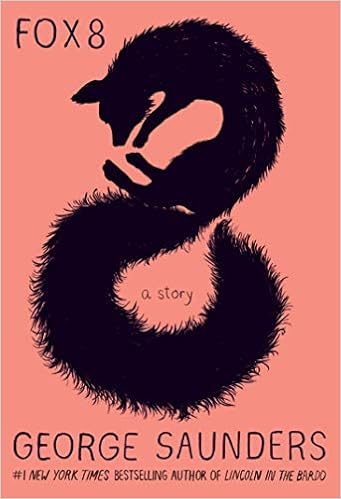
Fox 8 by George Saunders – Fox 8 has always been known as the daydreamer in his pack, the one his fellow foxes regard with a knowing snort and a roll of the eyes. That is, until he develops a unique skill: He teaches himself to speak “Yuman” by hiding in the bushes outside a house and listening to children’s bedtime stories. The power of language fuels his abundant curiosity about people—even after “danjer” arrives in the form of a new shopping mall that cuts off his food supply, sending Fox 8 on a harrowing quest to help save his pack.

Cover image for Cover image for

Tony’s Wife by Adriana Trigiani – Set in the lush Big Band era of the 1940s and World War II, this spellbinding saga from beloved New York Times bestselling author Adriana Trigiani tells the story of two talented working class kids who marry and become a successful singing act, until time, temptation, and the responsibilities of home and family derail their dreams.

Hazards of Time Travel by Joyce Carol Oates – “Time travel” — and its hazards—are made literal in this astonishing new novel in which a recklessly idealistic girl dares to test the perimeters of her tightly controlled (future) world and is punished by being sent back in time to a region of North America — “Wainscotia, Wisconsin”—that existed eighty years before.  Cast adrift in time in this idyllic Midwestern town she is set upon a course of “rehabilitation”—but cannot resist falling in love with a fellow exile and questioning the constrains of the Wainscotia world with results that are both devastating and liberating.

Kingdom of the Blind by Louise Penny – The six-time Agatha Award-winning author of such best-sellers as Still Life and The Cruelest Month presents a latest entry in the popular Chief Inspector Gamache series.


Tony Hoagland, 1953-2018

There are a lot of great things about getting older (hopefully more stability, more positive experiences, the deepening of relationships, maybe even the growing of wisdom), but one of the sadder things about getting older is that sometimes people who you never knew, but who you admired, pass away.  That happened for me when the poet John Ashbery passed away, as well as when the novelist Philip Roth died.  They were heroes of mine, and it felt like someone I knew closely had died, someone who had changed my life.  Today I heard the sad news that the American poet Tony Hoagland passed away, who wrote really wonderful poems in casual, accessible language that could break out suddenly into great beauty.  Hoagland created poems from ordinary language (his poems did not show off their innovation, nor were they so extraordinarily difficult as to baffle interpretation), but that ordinary language, and the light it shone on our lives, could open up, and open us up, to something truly special and moving.  In honor of Hoagland, I wanted to post a poem of his, that I found on the Poetry Foundation website, which is a great resource.  Here it is, called “A Color of the Sky”:

Windy today and I feel less than brilliant,
driving over the hills from work.
There are the dark parts on the road
                     when you pass through clumps of wood
and the bright spots where you have a view of the ocean,
but that doesn’t make the road an allegory.


I should call Marie and apologize
for being so boring at dinner last night,
but can I really promise not to be that way again?
And anyway, I’d rather watch the trees, tossing
in what certainly looks like sexual arousal.


Otherwise it’s spring, and everything looks frail;
the sky is baby blue, and the just-unfurling leaves
are full of infant chlorophyll,
the very tint of inexperience.


Last summer’s song is making a comeback on the radio,
and on the highway overpass,
the only metaphysical vandal in America has written
MEMORY LOVES TIME
in big black spraypaint letters,


which makes us wonder if Time loves Memory back.


Last night I dreamed of X again.
She’s like a stain on my subconscious sheets.
Years ago she penetrated me
but though I scrubbed and scrubbed and scrubbed,
I never got her out,
but now I’m glad.


What I thought was an end turned out to be a middle.
What I thought was a brick wall turned out to be a tunnel.
What I thought was an injustice
turned out to be a color of the sky.


Outside the youth center, between the liquor store
and the police station,
a little dogwood tree is losing its mind;


overflowing with blossomfoam,
like a sudsy mug of beer;
like a bride ripping off her clothes,


dropping snow white petals to the ground in clouds,


so Nature’s wastefulness seems quietly obscene.
It’s been doing that all week:
making beauty,
and throwing it away,
and making more.


The poem is on the surface about ordinary things – driving from work, calling a friend or partner to apologize about something, hearing songs on the radio, thinking about dreams, noticing liquor stores and police stations – but underneath this surface there is a great attention to, and love for, life in its rich and complex variety.  The poem is this thoughtful and quietly funny celebration of how strange and miraculous it is to be alive – to drive a car, to see a tree “overflowing with blossomfoam.”  It’s so easy to forget how joyful life can be, and the poem ends on this image of a tree “making beauty, / and throwing it away, / and making more.”  The tree, without thought, sometimes without anyone noticing, is “dropping snow white petals to the ground in clouds,” this amazing image that Hoagland chooses to see and chronicle.  He did this in so many poems.  I encourage you to check out his poems, which can be found in the CLEVNET system, for a dose of that wonderful Hoaglandian ordinariness made beautiful.  May he rest in peace!

Image result for tony hoagland

Tony Hoagland

New Non-fiction Roundup – October 2018

This month we cover a wide variety of non-fiction, from 1000 books to read before you die (a daunting but worthwhile task!), to feminism, to mental illness, to Stephen Hawking.  Plunge in, and if you find a title that interests you, go ahead and click on the title – it’s that easy!

Cover image for Almost Everything: Notes on Hope by [Lamott, Anne]Cover image for

1,000 Books to Read Before You Die by James Mustich – A celebration of the reading life by the co-founder of the acclaimed A Common Reader presents a cross-genre, historically representative compendium of 1,000 forefront works of literature, complemented by essays on each book’s particular relevance.

Almost Everything: Notes on Hope by Anne Lamott – The New York Times best-selling author of Hallelujah Anyway presents an inspirational guide to the role of hope in everyday life and explores essential truths about how to overcome burnout and suffering by deliberately choosing joy.

Brief Answers to the Big Questions by Stephen Hawking – The world-famous cosmologist and #1 best-selling author of A Brief History of Time leaves us with his final thoughts on the universe’s biggest questions in a posthumous work.

Cover image for Cover image for Cover image for

The Real Lolita: The Kidnapping of Sally Horner and the Novel That Scandalized the World by Sarah Weinman – A gripping true-crime investigation of the 1948 abduction of Sally Horner details the crime itself and how it inspired Vladimir Nabokov’s classic novel, Lolita.

In My Father’s House: A New View of How Crimes Runs in the Family by Fox Butterfield – A Pulitzer-Prize-winning New York Times journalist follows a family in Oregon, the Bogles, with a generations-spanning history of criminal behavior, aiming to debunk long-held stereotypes about race and crime and using these insights to highlight new efforts at reform.

American Like Me: Reflections on Life Between Cultures – From an award-winning actress and political activist (America Ferrera) comes a vibrant and varied collection of first person accounts from prominent figures—including Lin-Manuel Miranda, Issa Rae, Kumail Nanjiani, Roxane Gay and many more—about the experience of growing up between cultures.

Cover image for Cover image for Cover image for

Invisible: The Forgotten Story of the Black Woman Lawyer Who Took Down America’s Most Powerful Mobster by Stephen L. Carter – The best-selling author of The Emperor of Ocean Park traces the story of his grandmother, an African-American attorney who, in spite of period barriers, devised the strategy that sent mafia chieftain Lucky Luciano to prison in the 1930s.

Rage Becomes Her: The Power of Women’s Anger by Soraya Chemaly – The director of the Women’s Media Center Speech Project urges 21st-century women to embrace their anger and harness it as a tool for lasting personal and societal change.

A Mind Unraveled: A Memoir by Kurt Eichenwald – The New York Times best-selling author of The Informant traces the decades he spent fighting and hiding the symptoms of epilepsy, a battle involving severe depression, and medical mistakes before a dedicated neurologist helped him to survive and thrive.


New Fiction Roundup – October 2018

Some truly exciting and interesting fiction coming out this October, including new books by Andre Dubus III and Jodi Picoult.  If one of the books piques your interest, click on the title of the book, and this will take you to our catalog to place a hold.

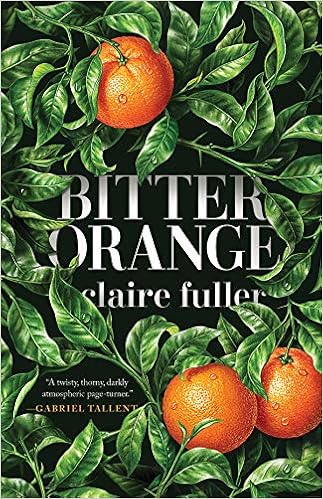
Bitter Orange by Claire Fuller – An architect spending the summer of 1969 in a dilapidated English country mansion discovers a peephole that allows her to observe the increasingly sinister private lives of her hedonist neighbors. By the award-winning author of Our Endless Numbered Days.

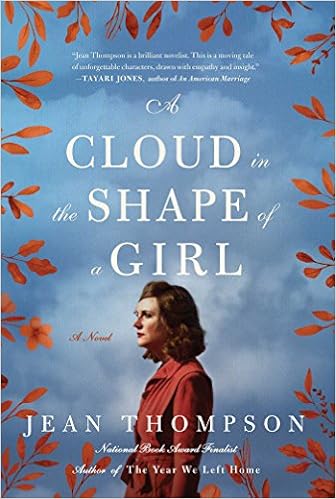
A Cloud in the Shape of a Girl by Jean Thompson – From National Book Award finalist and the New York Times best-selling author of The Year We Left Home comes a family saga about three generations of women who struggle to find freedom and happiness in their small Midwestern college town.

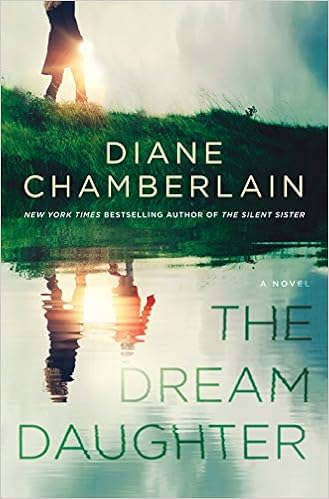
The Dream Daughter by Diane Chamberlain – Learning that her unborn child has a heart defect, a 1970s family woman is urged by her physicist brother-in-law to pursue a solution that pushes the boundaries of science and faith. By the New York Times best-selling author of The Silent Sister.

Cover image for Cover image for Cover image for

Family Trust by Kathy Wang – Struggling to fulfill a terminally ill father’s final bequest, a privileged Chinese-American family in Silicon Valley is forced to contend with the realities of their ambitions and actual desires.

Godsend by John Wray – An 18-year-old, looking to escape her claustrophobic hometown, disguises herself as a young man named Suleyman and travels to Pakistan, where she is tempted into militant Islam. By the author of The Lost Time Accidents.

Gone So Long by Andrew Dubus III – A man living a solitary existence in seaside New England travels to a quaint Florida community in search of his traumatized, estranged daughter. By the award-winning author of House of Sand and Fog.

Cover image for Cover image for Cover image for

Listen to the Marriage by John Jay Osborn – Months of therapy in a San Francisco marriage counselor’s office trace the crises that are threatening a family and the efforts of a therapist who would help them overcome self-imposed obstacles. By the author of The Paper Chase.

A Spark of Light by Jodi Picoult – The #1 New York Times best-selling author of Small Great Things returns with a powerful and provocative new novel about ordinary lives that intersect during a heart-stopping crisis.

Virgil Wander by Leif Enger – Emerging from an accident with damaged memories and compromised language skills, a movie-house owner from a small Midwestern town pieces together his story against a backdrop of community history, which is shaped by a prodigal son’s return.


New Non-Fiction Roundup – September 2018

Do any of these new non-fiction books strike your fancy?  If so, click on the title to reserve your copy!  We’ve got a lot covered here, from story-telling to university culture, immigration to opioid addiction, an actress’s memoir to a book on religion in art.

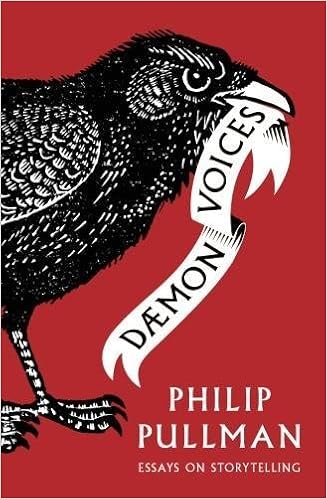
Daemon Voices: Essays on Storytelling by Philip Pullman – In over 30 essays, written over 20 years, one of the world’s great story-tellers (author of His Dark Materials trilogy) meditates on story-telling. Warm, funny, generous, entertaining and, above all, deeply considered, they offer thoughts on a wide variety of topics, including the origin and composition of Pullman’s own stories, the craft of writing and the story-tellers who have meant the most to him. The art of story-telling is everywhere present in the essays themselves, in the instantly engaging tone, the vivid imagery and striking phrases, the resonant anecdotes, the humor and learnedness. Together, they are greater than the sum of their parts: a single, sustained engagement with story and story-telling.

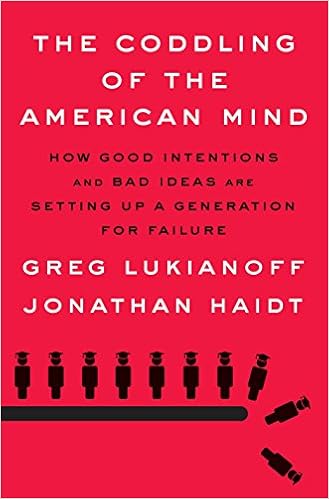
The Coddling of the American Mind: How Good Intentions and Bad Ideas are Setting Up a Generation for Failure by Greg Lukianoff and Jonathan Haidt – The author of the best-selling The Righteous Mind and his co-author controversially link rising rates of depression and anxiety to today’s culture of safety, social media and political divides, arguing in favor of traditional wisdom that promotes grit and antifragility.

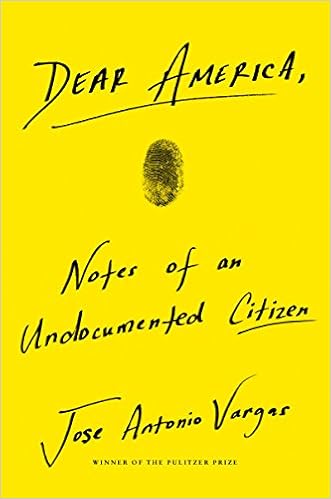
Dear America: Notes of an Undocumented Citizen by Jose Antonio Vargas – The Pulitzer Prize-winning journalist, filmmaker and immigration-rights activist presents a debut memoir about how he unknowingly entered the United States with false documents as a child.

Eliza Hamilton: the Extraordinary Life and Times of the Wife of Alexander Hamilton by Tilar J. Mazzeo – From the New York Times best-selling author of Irena’s Children comes a comprehensive and riveting biography of the extraordinary life and times of Eliza Hamilton, the wife of founding father Alexander Hamilton, and a powerful, unsung hero in America’s early days.

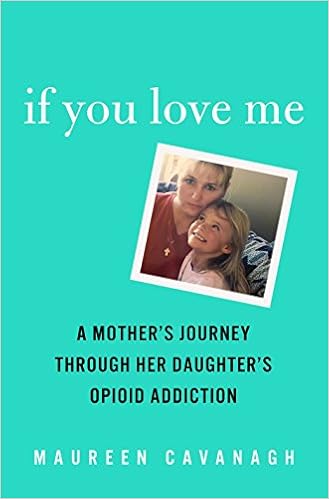
If You Love Me: a Mother’s Journey Through Her Daughter’s Opiod Addiction by Maureen Cavanagh – The founder of the Magnolia New Beginnings nonprofit peer-support group shares the gripping story of her confrontation with the opioid epidemic in the wake of her daughter’s sudden and brutal battle with substance abuse.

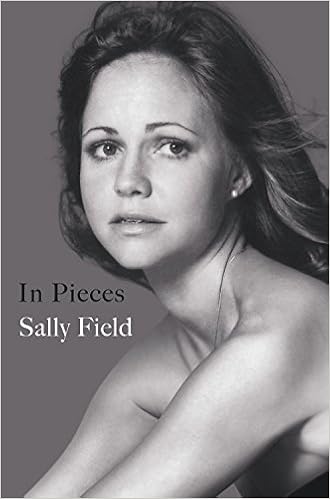
In Pieces by Sally Field – The Academy Award-winning actress shares insights into her difficult childhood, the artistic pursuits that helped her find her voice and the powerful emotional legacy that shaped her journey as a daughter and mother.

21 Lessons for the 21st Century by Yuval Noah Harari – The New York Times best-selling author of Sapiens and Homo Deus shares probing insights into such present-day issues as the role of technology in transforming humanity, the epidemic of false news and the modern relevance of nations and religion.

How Do We Look: The Body, the Divine, and the Question of Civilization by Mary Beard – A companion to PBS’ Civilizations chronicles the intertwined histories of art and religion to explain the irreconcilable problems that all faiths have navigated while trying to represent the divine.

Joyful: The Surprising Power of Ordinary Things to Create Extraordinary Happiness by Ingrid Fetell Lee – The founder of the popular Aesthetics of Joy blog counsels readers on how to cultivate a happier, healthier life by making small environmental changes, revealing the unexpected impact of everyday spaces and objects on mood.


New Fiction Roundup – September 2018

Hi Readers!  I wanted to introduce this new feature – the new fiction and new non-fiction roundup – which we’ll be posting a week before the new month begins.  This is a chance to learn more about some great new books that will be coming out in the upcoming month.  There is so much to read and so little time.  Hopefully our roundups help make those decisions a little easier.  If the covers or synopses interest you, feel free to click on the title, which will take you to our catalog to reserve the book!

– Andrew


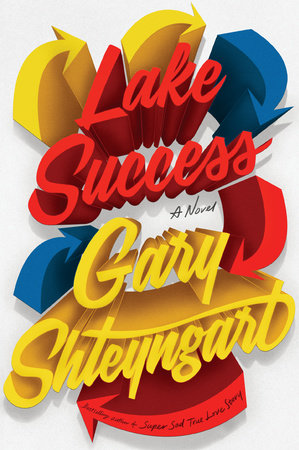
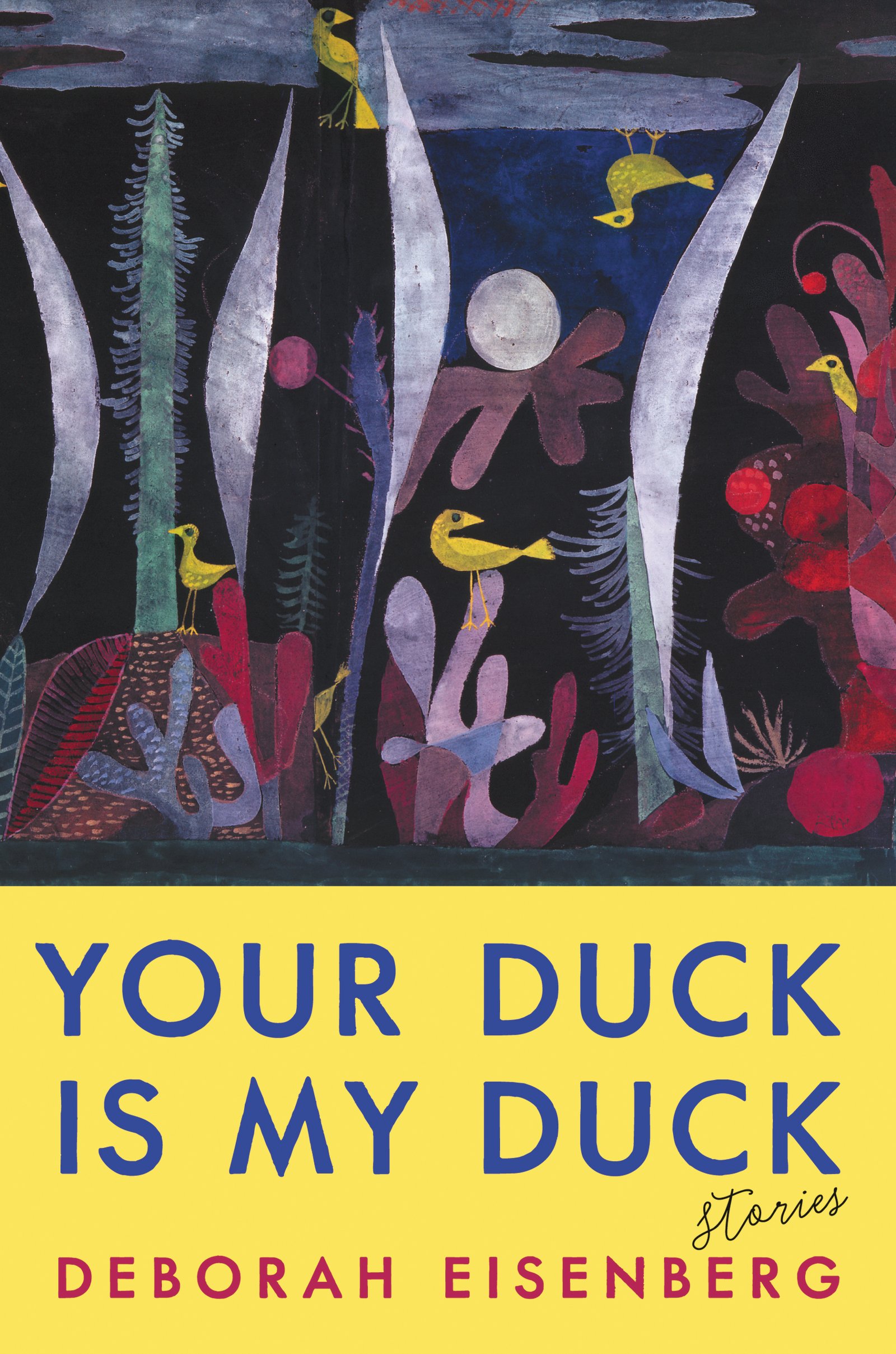
Lake Success by Gary ShteyngartImage result for your duck is my duck

Lake Success by Gary Shteyngart – A self-made Wall Street millionaire, baffled by the implosion of his seemingly perfect life, takes a cross-country bus trip in search of his college sweetheart and the ideals of his youth. By the best-selling author of Super Sad True Love Story.

Your Duck is My Duck by Deborah Eisenberg – In her first new collection of short stories since 2006, Eisenberg presents us with characters swimming or drowning in a disintegrating environment – among them, some former Hollywood actors, an entitled young man who falls into an unlikely love affair with a human rights worker on a mysterious quest, a woman whose face illustrates her family’s history, a girl receiving treatment for an inexplicable psychological affliction, and a politically conscious puppeteer.

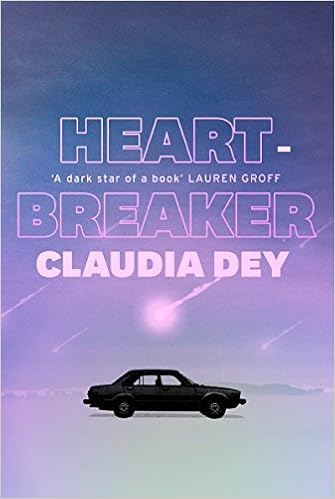
Heartbreaker by Claudia Dey – The love between a daughter and her mother—and the dark secrets they keep from each other—are at the heart of this wildly imaginative novel that combines elements of The Handmaid’s TaleStranger Things, and Twin Peaks.


Waiting for Eden by Elliot Ackerman

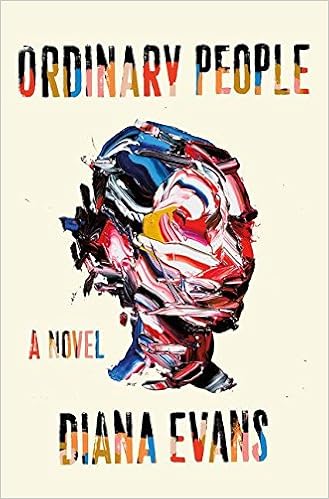
Ordinary People by Diana Evans – Melissa has a new baby and doesn’t want to let it change her. Damian has lost his father and intends not to let it get to him. Michael is still in love with Melissa but can’t quite get close enough to her to stay faithful. Stephanie just wants to live a normal, happy life on the commuter belt with Damian and their three children but his bereavement is getting in the way.  Set in London against the backdrop of Barack Obama’s historic election victory, Ordinary People is an intimate, immersive study of identity and parenthood, sex and grief, friendship and aging, and the fragile architecture of love.

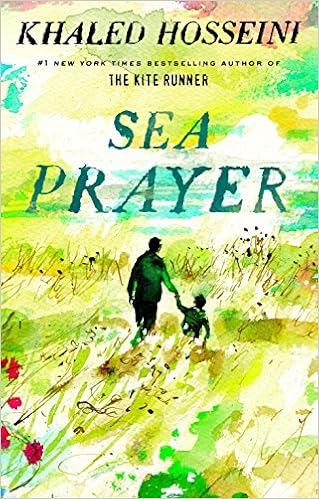
Sea Prayer by Khaled Hosseini – A short, powerful, illustrated book written by beloved novelist Khaled Hosseini in response to the current refugee crisis, Sea Prayer is composed in the form of a letter, from a father to his son, on the eve of their journey. Watching over his sleeping son, the father reflects on the dangerous sea-crossing that lies before them. It is also a vivid portrait of their life in Homs, Syria, before the war, and of that city’s swift transformation from a home into a deadly war zone.

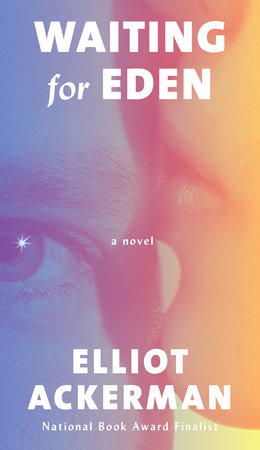
Waiting for Eden by Elliot Ackerman – Eden Malcom lies in a bed, unable to move or to speak, imprisoned in his own mind. His wife Mary spends every day on the sofa in his hospital room. He has never even met their young daughter. And he will never again see the friend and fellow soldier who didn’t make it back home–and who narrates the novel. But on Christmas, the one day Mary is not at his bedside, Eden’s re-ordered consciousness comes flickering alive. As he begins to find a way to communicate, some troubling truths about his marriage–and about his life before he went to war–come to the surface. Is Eden the same man he once was: a husband, a friend, a father-to-be? What makes a life worth living?

Legion: The Many Lives of Stephen Leeds by [Sanderson, Brandon]

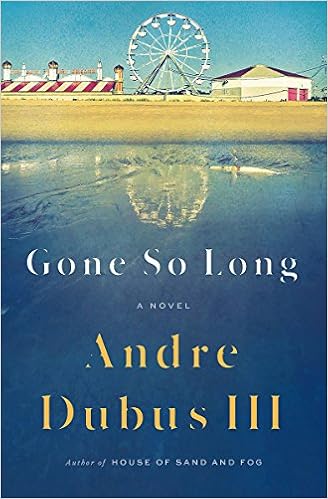
Gone So Long by Andre Dubus III – Daniel Ahearn lives a quiet, solitary existence in a seaside New England town. Forty years ago, following a shocking act of impulsive violence on his part, his daughter, Susan, was ripped from his arms by police. Now in her forties, Susan still suffers from the trauma of a night she doesn’t remember, as she struggles to feel settled, to love a man and create something that lasts. Lois, her maternal grandmother who raised her, tries to find peace in her antique shop in a quaint Florida town but cannot escape her own anger, bitterness, and fear.

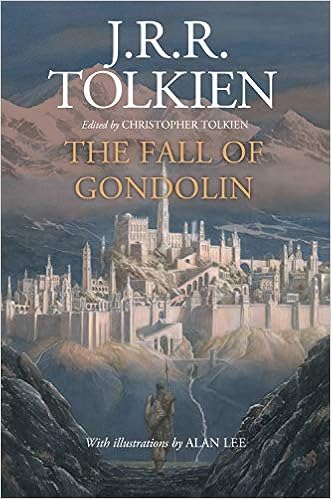
The Fall of Gondolin by J.R.R. Tolkien – Two of the greatest powers in the world—Morgoth, of the utmost evil, and Ulmo, the Lord of Waters, battle over the city of Gondolin—a beautiful but undiscovered realm peopled by Noldorian Elves.  By the beloved author of the Lord of the Rings trilogy.

Legion: the Many Lives of Stephen Leeds by Brandon Sanderson – A savant with a genius compartmentalized brain is hired to recover a stolen camera capable of photographing the past and discovers information with the potential to upend the world’s three major religions.  By Hugo award-winning Brandon Sanderson.


For All the Secret Film Critics Out There

Image result for criterion collection

As my title suggests, this blog post is going to be a brief defense of being critical about movies.  This is a defense of film criticism, because I myself am admittedly a big secret film critic, which means that I am pretty selective about the films I choose to see, and I am somewhat obsessed with Rotten Tomatoes, a website that gives you the reviews for most films.  (Metacritic is good, too.)  Why am I selective?  For the same reason that I am selective about the books I read.  We only have so much time on this earth.  I don’t want to have to sit for two hours in a dark room and watch moving images of a movie that I don’t like, whether the character development is weak, the plotting is implausible or not in keeping with the logic of the characters, the acting is poor, etc.  Of if the plot is implausible, I want the movie to have earned it.  If I sit through a bad movie, I feel it is wasted time, and it kind of upsets me.  I also don’t feel challenged by bad movies.  I feel that if not a lot of thought has gone into them, then I don’t want to invest my own energies in sitting through them.  Hence the secret film critic.

I also don’t think, I should say, that opinions about films are only subjective.  I really think there are better and worse films.  Critics definitely sometimes disagree – and sometimes films that are intensely disagreed about are definitely worth watching – but there is also often a consensus among critics about what film is worth seeing and what film isn’t.  You can see this pattern on Rotten Tomatoes.  So I think it’s possible to be somewhat objective about films.

Why am I saying all this?  Because recently I have found that there is this amazing company, with quite a few films in Rocky River’s collection, that is kind of made for all the secret film critics out there.  It’s called “The Criterion Collection,” (the logo is at the top of this post), and it is a film distribution company that, as its website says, is “dedicated to publishing important classic and contemporary films from around the world.”  In other words, it is a company with an enormous library of critically acclaimed movies.  Recently I have watched a few Criterion films from Rocky River’s collection, including “Safe,” directed by Todd Haynes, “Breaking the Waves,” directed by Lars Von Trier, and “Fish Tank,” directed by Andrea Arnold, and I was completely blown away by how good these movies were.  Everything about them, from the filming to the acting, showed such a deep and real care for telling a story well.  I left each film somewhat shaken, but with a strong sense of an emotionally satisfying story well-told.  So I left with a sense that my own experience had been deepened and enriched.

Of course, Criterion Collection does not have a monopoly on well-told stories in film.  But they are a great place to look.  So if you are at Rocky River Public Library, and you are a secret film critic, look for the “C” on the spine of the film (see picture below).  Then, if you look at the cover and read the synopsis on the back, and you’re still intrigued, I encourage you to borrow the film and watch it.  For all you know, you too will be amazed by a story told with deep care.

Image result for criterion collection


Thinking About Thinking

One of the joys of reading is that it gives you new templates for thinking.  (I realize this might sound strange, but rather than explain it up front, let me try to define it in a more indirect way.  That way when we do define it, we will have a more robust explanation.)  I think reading can provide us with new templates for thinking in both fiction and non-fiction.  In fiction, we might be confronted with a character who has to make an important ethical decision, and the decision might be something that we strongly agree with or intensely disagree with.  We are thrown back upon ourselves and our own ideas and experiences about what is right and/or wrong, and this forces us to use our own moral reasoning to come to a conclusion about the character.  Or we might meet a character that defies our expectations, that goes against the grain – and then we are surprised, our eyes widen, we are in disbelief, and we think about this character in a new way.

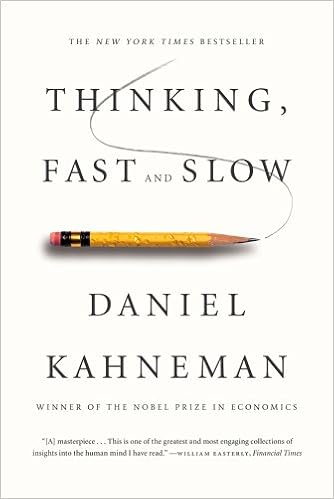
I bring this up because recently my thinking has changed from reading (appropriately) a book about thinking, a wonderful book, called Thinking, Fast and Slow by Daniel Kahneman.  I’m not finished yet, but I have already noticed that the book has made me think differently, or more deeply, or even more realistically, about how our minds actually work.  In that sense, it has given me a new template for thinking about how we think and experience the world.  Kanheman, an Israeli-American psychologist who won the Nobel Prize in Economics in 2002, argues that there are two kinds of thinking – fast thinking (which he attributes to what he calls, metaphorically, System 1), and slow thinking (which he attributes to System 2).  But when I say Kahneman “argues,” I mean that he uses a lot of fascinating and important evidence from strong psychological studies to make his argument, so it’s not an opinion-piece.  Anyhow, System 1, fast thinking, is that part of our mind that is intuitive, automatic, and impressionable.  For example, if we see a photograph of a man with his eyes narrowed and his mouth turned up into a frown, we know immediately, automatically that this man is unhappy or even angry.  This conclusion on our part, if we can call it a conclusion, is involuntary.  We do not slowly reason it out over time – we simply know, instantaneously, from the photograph, that the man is angry.  That’s System 1.  System 1 also picks up subliminal messages that we are not even aware of consciously (it’s pretty amazing in this way).  For example, if people are looking at a computer screen, engaged in an activity on the screen, and a word flashes instantaneously and so quickly on the screen that they don’t notice it at all consciously, that word is still somehow seen by System 1, and it changes their thought and behavior.  (This process is called “priming,” and if it interests you, I”d really suggest you read the book!)  If this process sounds crazy, scary, wild and/or outrageous, I felt that way, too.  But Kahneman makes a sound argument with good evidence that we are often primed and we’re not even aware of it – for example, voters who are undecided before they vote are more likely to vote for school levees if the voting happens in a school.  He has so many examples like this that are kind of shocking, because it suggests the power of context, contexts that we don’t even think about.

System 2 is our slow thinking.  When we meet with something like

135 x 38

and we have to reason it out, slowly and deliberately, then we are using System 2.  It is the part of our mind that is slow and rational and logical, as well as able to be skeptical and not believe everything that is said.

But the most interesting thing about this model of the mind is the way the two systems interact.  For example, if we are presented with an image frequently over time, System 1 is likely to like that image, because it is familiar, and because it doesn’t cause cognitive strain.  This might explain how people can be happy with authoritarian leaders, because they are exposed to images of these leaders frequently over time.  But it takes System 2 to come in and question the legitimacy of the image, to be skeptical about it, and therefore to kind of reroute System 1 into a more logical frame of mind.  (But often, as Kahneman points out, System 2 is lazy, and it takes effort to think slowly and deliberately.)  We often make important decisions using System 1, and often they are correct, though sometimes we could benefit from using System 2.

I’m not quite done with the book, but it has been such a fascinating read so far.  Kahneman is a really good and lucid writer, and he’s able to make difficult concepts understandable – he’s a great communicator.  He also says, at the beginning of the book, that System 1 is the hero of the book, so I hope I haven’t made it sound that System 1 is only gullible and likely to be duped.  System 1 also is the part of the mind that sees coherence and causality in things (even if the coherence or causality is not really there!).  So for anyone looking for a really great book on psychology, that provides new ways of thinking about thought, and therefore new ways of thinking about how our minds work, I heartily recommend Thinking, Fast and Slow.  It has the power to give us new templates for thinking because it gives us a strong and evidence-based framework for conceptualizing the mind.

Daniel KAHNEMAN.jpg

Daniel Kahneman


Making the Ordinary Sacred

Image result for national poetry month

In my last blog post, I talked about how poetry is able to articulate, through its form and language, aspects of experience that are hard to articulate – aspects like love or grief.  But another great thing about poetry is its ability to make the ordinary sacred, by focusing on ordinary life and making it into something special, or reminding us how special our most ordinary moments are.  This is to say that poetry is good for the big things, the things we think about alot (love, grief), but it is also great on the smaller things, the things we forget, the things we want to remember but don’t (alas!) write down.  Therefore, now that we are nearing the end of National Poetry Month, I wanted to share a poem that I love, where what is ordinary is memorialized and maybe even transformed.

This poem is by one of my favorite poets, the Detroit-born Philip Levine.

Belle Isle, 1949

We stripped in the first warm spring night
and ran down into the Detroit River
to baptize ourselves in the brine
of car parts, dead fish, stolen bicycles,
melted snow. I remember going under
hand in hand with a Polish highschool girl
I’d never seen before, and the cries
our breath made caught at the same time
on the cold, and rising through the layers
of darkness into the final moonless atmosphere
that was this world, the girl breaking
the surface after me and swimming out
on the starless waters towards the lights
of Jefferson Ave. and the stacks
of the old stove factory unwinking.
Turning at last to see no island at all
but a perfect calm dark as far
as there was sight, and then a light
and another riding low out ahead
to bring us home, ore boats maybe, or smokers
walking alone. Back panting
to the gray coarse beach we didn’t dare
fall on, the damp piles of clothes,
and dressing side by side in silence
to go back where we came from.


This is an amazing moment, a remarkable experience, but it’s the kind of thing one might forget about if it hadn’t been written down – going hand in hand under the water of the Detroit River with a stranger, a “Polish highschool girl.”  There is something so lovely and deep about this memory, despite the description of the river as full of “car parts, dead fish, stolen bicycles, / melted snow.”  We hear about a “perfect calm dark / as far as there was sight,” and the sense is that Levine and his stranger-friend are buoyed in this darkness and calm by the water, and are swimming towards a light – “ore boats, maybe, or smokers / washing alone.”  There is something desolate about these images, while at the same time something gritty and stark and beautiful.  The moment is seemingly ordinary, but something about the language – the motif of light and dark, the water, “the final moonless atmosphere / that was this world” – gives the poem a spiritual and even philosophical intensity, something almost metaphysical, something having to do with experience and memory.  Levine has chosen to memorialize this event, and it’s not hard to see why – there was about this event something so vivid and alive, something youthful and fun.  It makes me wonder if the memory is bittersweet for the older poet looking back on it, or if the memory still retains its taste of pure amazed joy.

As we end National Poetry Month, I hope you are able to find similarly intense and vivid poems that reminds us why we read and write poetry in the first place, and that perhaps might inspire you to put your pen to paper and memorialize something, no matter how large or how small.

Image result for philip levine poet

Philip Levine

A Poem About (Messy, Visceral) Love for National Poetry Month

Image result for national poetry month

April is National Poetry Month, which means I have the opportunity to write about one of my favorite topics.  Poetry, for me, is one of the most beautiful, powerful, and expressive of the art forms.  While visual art uses the world that we see, and music uses the sense of our hearing, poetry uses both (seeing = the arrangement of the poem on the page; hearing = the rhythm of the poem on the page, or hearing the poem read out loud).  But what poetry uses more than anything else is language.  And that’s why I love it so much.  Don’t get me wrong – fiction and non-fiction are also constructed out of language, but poetry for me is a different use of language, and it can gesture towards aspects of experience that are hard to talk about or explain, including love and grief.  Here, for example is a poem a friend of mine shared recently on Facebook.  I read it with the shocked awareness of something being said about love and grief that would be hard to articulate in another art form.  Here is the poem:

Marriage

By Ellen Bass
When you finally, after deep illness, lay
the length of your body on mine, isn’t it
like the strata of the earth, the pressure
of time on sand, mud, bits of shell, all
the years, uncountable wakings, sleepings,
sleepless nights, fights, ordinary mornings
talking about nothing, and the brief
fiery plummets, and the unselfconscious
silences of animals grazing, the moving
water, wind, ice that carries the minutes, leaves
behind minerals that bind the sediment into rock.
How to bear the weight, with every
flake of bone pressed in. Then, how to bear when
the weight is gone, the way a woman
whose neck has been coiled with brass
can no longer hold it up alone. Oh love,
it is balm, but also a seal. It binds us tight
as the fur of a rabbit to the rabbit.
When you strip it, grasping the edge
of the sliced skin, pulling the glossy membranes
apart, the body is warm and limp. If you could,
you’d climb inside that wet, slick skin
and carry it on your back. This is not
neat and white and lacy like a wedding,
not the bright effervescence of champagne
spilling over the throat of the bottle. This visceral
bloody union that is love, but
beyond love. Beyond charm and delight
the way you to yourself are past charm and delight.
This is the shucked meat of love, the alleys and broken
glass of love, the petals torn off the branches of love,
the dizzy hoarse cry, the stubborn hunger.

Although the poem is titled “Marriage,” I think it could speak to anyone who has experienced love both as a “balm” and a “seal.”  Here, Ellen Bass is trying to get beyond notions of love that are “neat and white and lacy.”  She is trying through language to gesture towards the messy and visceral aspects of love, the way it reaches us down to the roots and changes our lives in unalterable ways.  Love, for Bass, is like “the way you to yourself are past charm and delight.”  It is real, and therefore not always pretty, but its power moves within us, through happiness and (maybe even more so?) through loss.  Love is such a rich and complicated thing that it contains

                                                                   all
the years, uncountable wakings, sleepings,
sleepless nights, fights, ordinary mornings
talking about nothing, and the brief
fiery plummets, and the unselfconscious
silences of animals grazing, the moving
water, wind, ice that carries the minutes, leaves
behind minerals that bind the sediment into rock.

When people love each other, they are loving a person formed by time, and time is full of so many things, including dreams, quarrels, chatter, silence, and even things like weather and trees and leaves and rock.  When we love someone, we are loving an embodiment of the world.  This is not a pretty poem, but a poem doesn’t have to be pretty.  Instead, it needs to be honest about its subject matter.  Reading it is therefore bracing, but also energizing.  I hope during this month, and beyond, that you are able to find poems that you find energizing, exciting, and moving, full of rich language and imagery.

Image result for ellen bass poetry
Ellen Bass