
Photo by Pavan Trikutam on Unsplash
In 2016, one Danish word began to crop up in popularity: hygge (pronounced hooga). Hygge doesn’t have a direct English translation, but according to the official website of Denmark, “hygge is about taking time away from the daily rush to be together with people you care about – or even by yourself – to relax and enjoy life’s quieter pleasures.” The general spirit of most translations relate to the feelings of being cozy, relaxed, and grateful, and “reflects the values of Danish society: equality and the well-being of everybody.”
Hygge took the world by storm and quickly begged the question- what other Nordic traditions and concepts are we missing out on? Read on to learn about other practices to build into your daily life to up the cozy factor and bring international practices into your home. As the winter days are around the corner and daylight hours are shrinking, take time to enjoy the season.
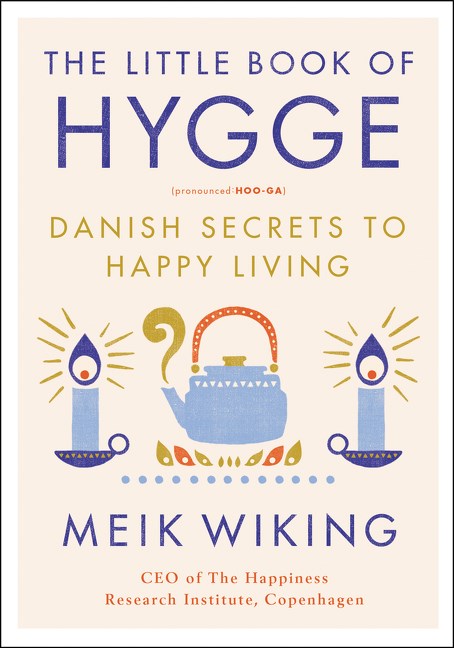
The Little Book of Hygge by Meik Wiking
Why are Danes the happiest people in the world? The answer, says Meik Wiking, CEO of the Happiness Research Institute in Copenhagen, is Hygge. Loosely translated, Hygge–pronounced Hoo-ga–is a sense of comfort, togetherness, and well-being. “Hygge is about an atmosphere and an experience,” Wiking explains. “It is about being with the people we love. A feeling of home. A feeling that we are safe.”
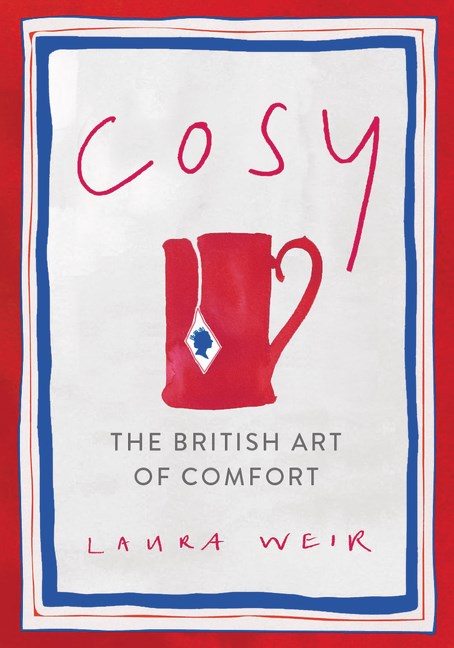
Cosy: The British Art of Comfort by Laura Weir
Cosy is “the slacker’s guide to staying at home, an antidote to peak frazzle.” With trademark Anglo cheekiness, Laura Weir perfectly captures the British essence of cosy. She celebrates socks, warms to the joys of toasty open fires, and extols the virtues of a quiet walk, ultimately enticing us all to create the British magic of cosy in our everyday lives.
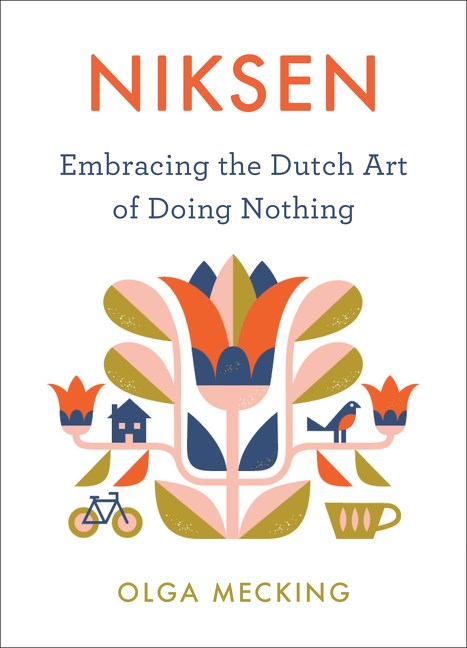
Niksen: Embracing the Dutch Art of Doing Nothing by Olga Mecking
Niksen is not a form of meditation, nor is it a state of laziness or boredom. It’s not scrolling through social media, or wondering what you’re going to cook for dinner. Rather, to niks is to make a conscious choice to sit back, let go, and do nothing at all.
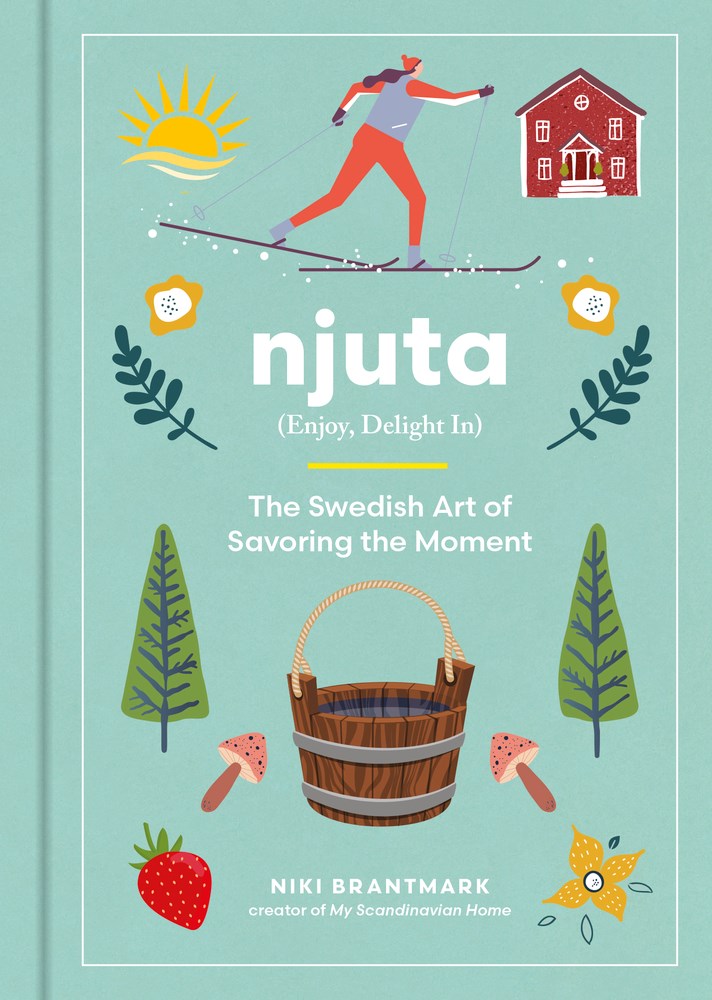
Njuta: Enjoy, Delight In by Niki Brantmark
Do you aspire to live a more peaceful, intentional life of mindfulness, positivity, and gratitude? Njuta (pronounced “nyutah”), which means “enjoy” or “delight in,” is the Swedish art of savoring the moment. Focused on finding happiness in even the smallest things, njuta can be applied to every area of life:
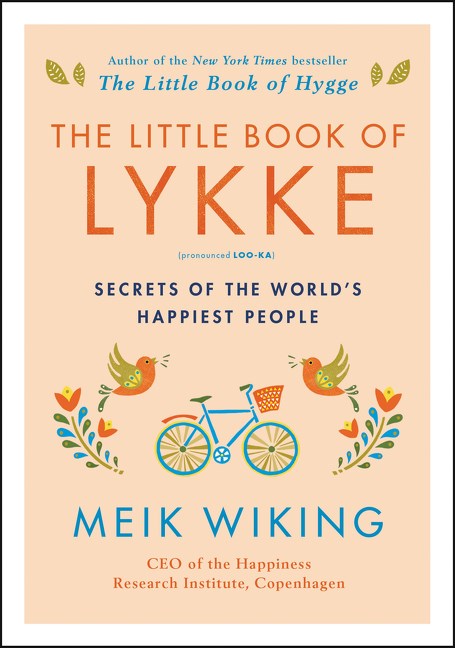
The Little Book of Lykke by Meik Wiking
In The Little Book of Lykke, Meik identifies the six factors that explain the majority of differences in happiness across the world–togetherness, money, health, freedom, trust, and kindness–and explores what actions we can take to become happier. As he reveals, we can deepen our blissfulness and contentment with little adjustments in our behavior.
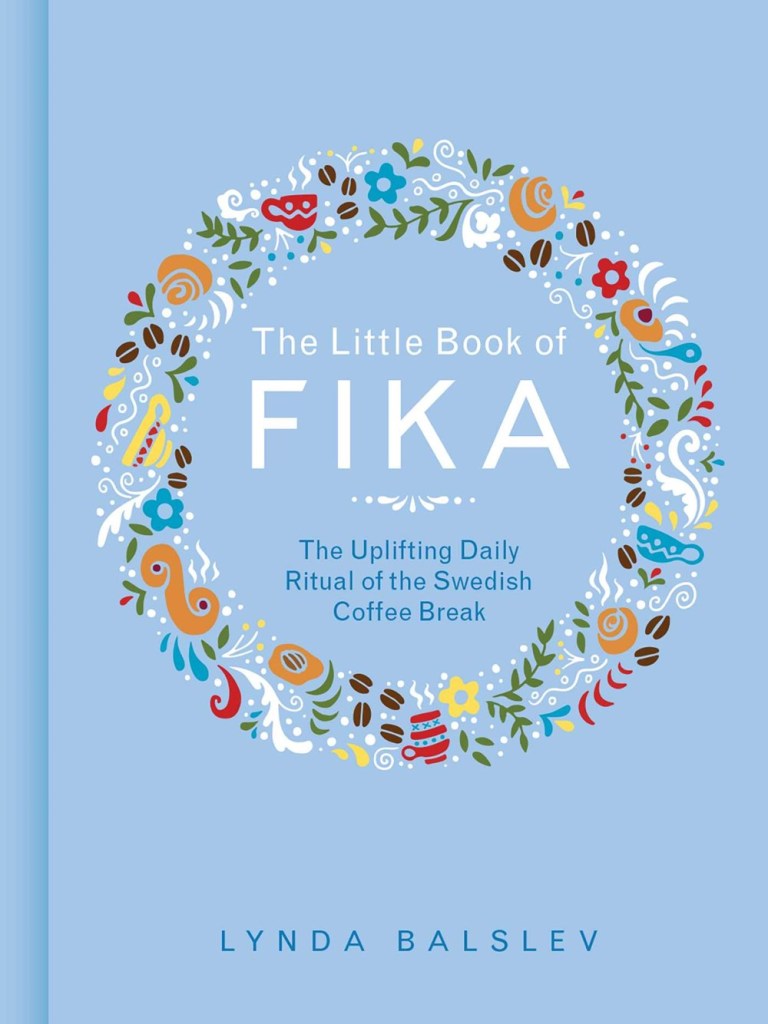
The Little Book of Fika by Lynda Balslev
While the Danish concept of hygge as caught on around the globe, so has lagom– its Swedish counterpart. An essential part of the lagom lifestyle, fika is the simple art of taking a break–sometimes twice a day–to enjoy a warm beverage and sweet treat with friends.
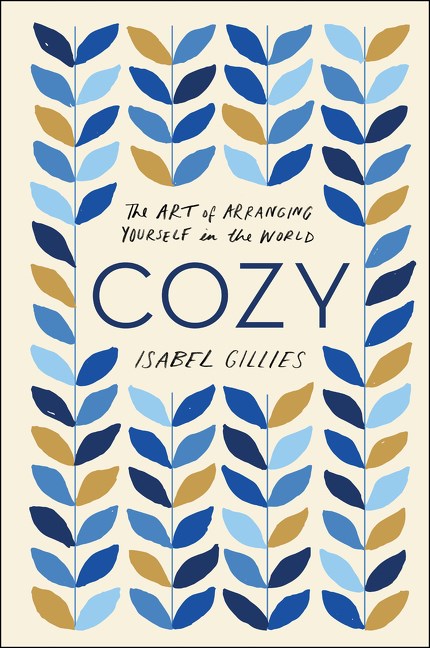
Cozy: The Art of Arranging Yourself in the World by Isabel Gillies
When we talk about being cozy, most of us think of a favorite sweater or a steaming cup of tea on a rainy day. But to Isabel Gillies, coziness goes beyond mere objects. To be truly cozy, she argues, means learning to identify the innermost truth of yourself and carrying it into the world, no matter your environment.
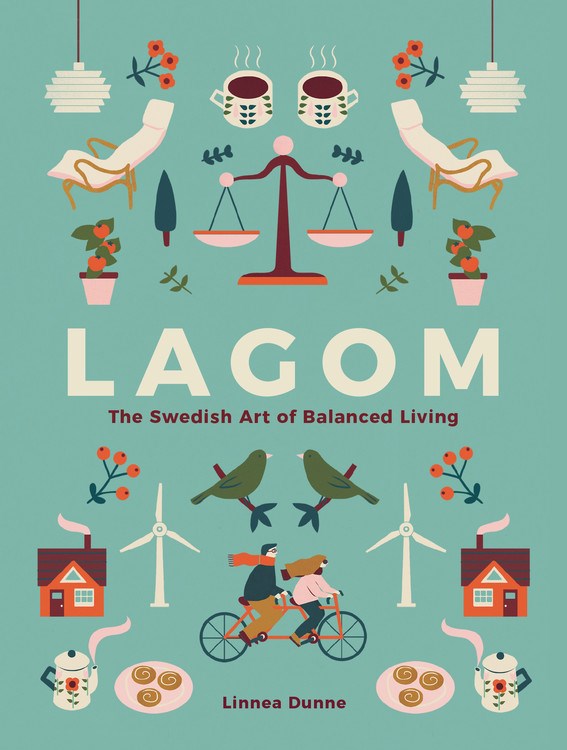
Lagom: The Swedish Art of Balanced Living by Linnea Dunne
The Swedish concept of Lagom (pronounced “lah-gom”) roughly translates to “not too little, not too much, just right.” This charming book introduces readers to a new way of balanced living that promises happiness and sustainability in work and in life.
Happy reading!
-Melinda
 Read it or Weep